
Vegetables
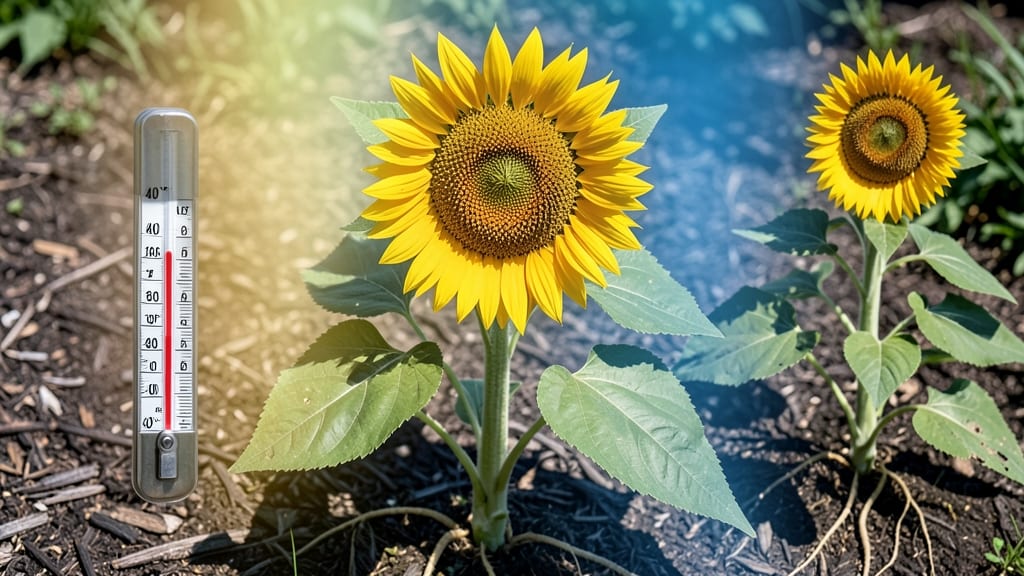
The demonstrated sunflower temperature tolerance ranges between 50°F and 95°F for peak growth, but push those limits and you’ll see stunted blooms or wilted leaves before you know it.
Picture this: you’ve spent weeks nurturing your 🌻 sunflowers, only for a late spring frost to blacken their leaves or a summer heatwave to turn their petals brittle. Temperature swings like these aren’t just setbacks—they can ruin your entire crop if you’re not prepared.
Understanding their exact heat zones and cold hardiness is the difference between a garden full of towering 10-foot giants and a patch of sad, underperforming plants.
Whether you’re in a frost-prone Zone 6a or a scorching desert climate, the right variety and a few smart tricks can keep your sunflowers thriving all season.
In this guide, I’ll break down the ideal temperature ranges for every growth stage—from germination to seed maturity—and share proven strategies to protect your sunflowers from both freezing nights and sweltering afternoons.
Sunflower heat Zones: optimal temperature ranges for growth & flowering
Sunflowers (Helianthus annuus) are sun-loving plants that thrive in warm climates, but their temperature tolerance varies dramatically across growth stages. From delicate seedlings to towering flowering stalks, each phase has specific heat requirements and stress thresholds that determine success.
Understanding these ranges helps you avoid heat stress symptoms like wilting, leaf scorch, or premature bolting.
Most sunflower varieties perform best in USDA Zones 2-11, but their ideal growing temperatures shift depending on whether they're germinating, vegetating, or producing seeds. For example, germination occurs best at 70-90°F soil temperatures, while flowering peaks at 75-85°F air temperatures.
Let’s break down the critical heat zones for each growth phase and how to protect your plants when temperatures spike.
| Growth Stage | Optimal Temperature (°F) | Heat Stress Threshold (°F) | Recovery Potential | Symptoms of Stress |
|---|---|---|---|---|
| Germination | 70-90°F (soil) | Below 50°F or above 100°F | Low (seeds rot or fail) | No sprouting, moldy seeds |
| Vegetative (Seedling) | 60-80°F (air) | Above 90°F for 3+ days | Moderate (with shade) | Yellowing leaves, stunted growth |
| Flowering | 75-85°F (air) | Above 95°F for 5+ days | High (if hydrated) | Drooping buds, premature wilting |
| Seed Development | 70-80°F (air) | Above 100°F for 2+ days | Low (seed shriveling) | Small, shriveled seeds |
During the germination stage, sunflower seeds need consistent soil warmth between 70-90°F. If soil temperatures drop below 50°F, germination stalls or seeds rot. I’ve found that using black plastic mulch or seedling heat mats can boost soil temps by 10-15°F in cooler climates.
For example, in Zone 5, waiting until mid-May ensures soil warmth without risking early frost.
Once seedlings emerge, the vegetative stage thrives at 60-80°F air temperatures. However, prolonged exposure above 90°F triggers heat stress, causing leaves to yellow and growth to slow.
To mitigate this, I recommend shade cloth (30-50%) during peak afternoon heat, especially for dwarf varieties like 'Teddy Bear,' which are more sensitive. Watering deeply in the early morning also helps maintain root moisture and cool the soil.
At the flowering stage, sunflowers enter their most heat-sensitive phase. Ideal temperatures hover around 75-85°F, but buds may abort or wilt if temperatures exceed 95°F for 5+ days. In my Zone 9 garden, I’ve seen giant varieties like 'Mammoth' struggle during July heatwaves.
To protect blooms, I use drip irrigation to keep foliage cool and avoid overhead watering, which can promote fungal diseases in high humidity.
Finally, during seed development, temperatures should stay between 70-80°F. Extreme heat above 100°F causes seeds to shrivel or lose viability. In arid climates, I’ve had success with mulching heavily (3-4 inches of straw) to insulate roots and harvesting seeds early if heatwaves persist.
For oilseed varieties, this means picking seeds when they’re 50-60% moisture rather than waiting for full maturity.
If your sunflowers show signs of heat stress, don’t panic—many varieties can recover with proper care. For example, leaf scorch (brown edges) often reverses with afternoon shade and increased watering. However, bud blast (sudden wilting of
Cold hardiness limits: how early frost & freezing affect sunflower survival
Sunflowers are famously warm-weather plants, but their tolerance for cold temperatures varies dramatically by variety and growth stage. Most annual sunflowers (the most common type) cannot survive frost at all, while some perennial varieties handle light freezes better.
Understanding these limits helps you decide when to plant and how to protect your crop in cooler climates.
For gardeners in USDA Zones 7-10, the risk of frost is minimal after the last spring frost date. However, in Zones 3-6, early frosts can strike as early as September or October, cutting your growing season short.
Even a single night below 32°F (0°C) can kill tender sunflower foliage and damage developing seed heads.
⚠️ Critical Frost Thresholds for Sunflowers
32°F (0°C): Leaves blacken, stems weaken (irreversible damage in most varieties).
28°F (-2°C): Seed heads freeze solid (harvest yield lost).
20°F (-6°C): Entire plant dies (even perennial varieties).
Note: Soil insulation (mulch, row covers) can raise survival thresholds by 3-5°F.
If you're growing annual sunflowers in frost-prone areas, focus on early-maturing varieties (50-60 days to harvest) to avoid late-season cold snaps. For example, 'Autumn Beauty' or 'Mammoth' can be planted in late July for a fall harvest before frost hits.
Perennial sunflowers like Helianthus annuus varieties (e.g., 'Lemon Queen') may survive light frosts but still require protection.
To extend your growing season, use row covers or cold frames to create a 5-10°F warmer microclimate around your plants. Lay down straw mulch (4-6 inches thick) around the base to insulate roots.
For young seedlings, consider container growing and moving pots indoors during cold snaps—sunflowers can tolerate indoor conditions with bright light until temperatures rise again.
Emergency measures for unexpected frost include covering plants with blankets or cardboard (secure with bricks to prevent wind damage) and watering the soil thoroughly before the freeze. The moisture in the soil releases heat as it freezes, giving roots a slight buffer.
Avoid watering foliage, as ice buildup can weigh down stems and cause breakage.
For gardeners in Zone 5 or colder, consider winter-hardy sunflower varieties like 'Russian Giant' or 'Procutto'—these can handle brief exposures to 20°F (-6°C) if established. Always monitor your local frost forecast and adjust planting dates accordingly. With the right strategies, you can still grow sunflowers successfully in cooler climates!