
Blooming
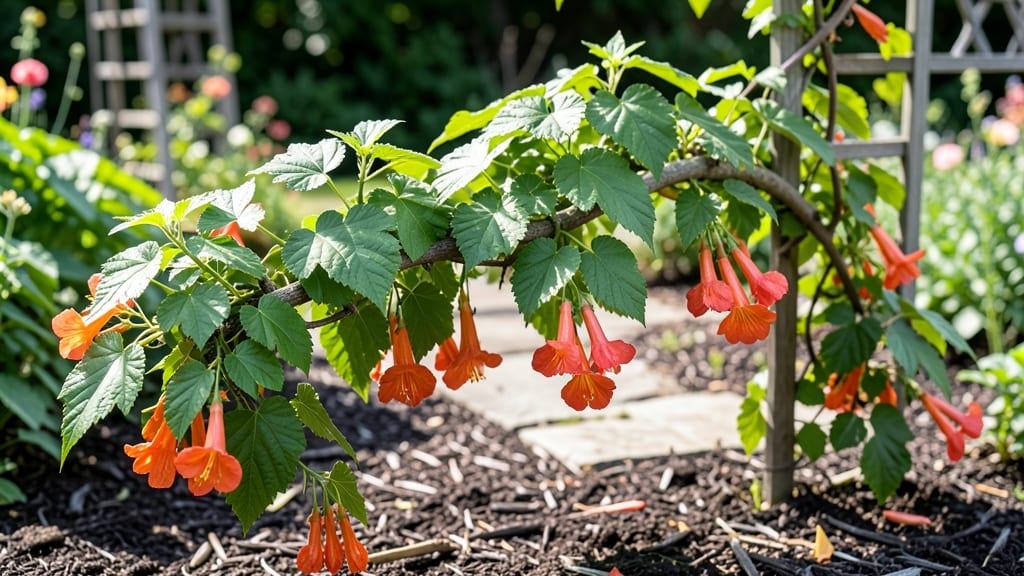
The trumpet vine flowering season 🌸 delivers vibrant blooms from late spring through summer, transforming your garden into a hummingbird magnet.
If you’ve ever dreamed of a garden bursting with fiery red, orange, or yellow trumpet-shaped blooms that hummingbirds can’t resist, timing is everything—especially when it comes to the trumpet vine flowering season.
In USDA Zone 6a, like where I garden, expect those show-stopping flowers to kick off in late May and last until early fall, with peak performance in June and July. But sunlight, soil, and even pruning habits can shift that window by weeks.
Below, I’ll break down exactly when to expect blooms in your zone, how to stretch that flowering season with simple care tricks, and the best companion plants to make your vine the star of the show.
Trumpet vine flowering season by USDA Zone: when to expect blooms
Timing your trumpet vine blooms is key to enjoying those show-stopping red-orange trumpets from late spring through early fall. Since flowering varies dramatically by USDA zone, I’ll break down exactly when to expect blooms—plus how to coax extra color from your vines.
Whether you’re in Zone 3 or Zone 11, knowing these patterns helps you plan pruning, fertilizing, and even companion planting for maximum impact.
Most Campsis radicans (the classic trumpet vine) and Campsis grandiflora (the Asian variety) follow a similar rhythm: buds form in late winter, flowers open in late spring, and blooms continue until early frost.
However, warmer climates (like Zones 9-11) often see earlier starts and longer seasons, while colder zones may delay blooms until June or July. Let’s dive into the specifics so you can time your garden’s drama perfectly.
🌿 Pro Tip: Trumpet vines bloom on new wood, meaning pruning in late winter encourages more flowers. But timing matters—cut too early, and you risk missing the first flush of blooms. We’ll cover that in detail later!
| USDA Zone | Early Blooms | Peak Blooms | Late Blooms | Notes |
|---|---|---|---|---|
| Zones 3-5 | Mid-June | July-August | Early September | Cold-sensitive; may need winter protection. |
| Zones 6-7 | Late May | June-July | Late August | Ideal for hummingbirds; prune after first frost. |
| Zones 8-9 | Early April | May-June | September | Longest bloom season; may rebloom after pruning. |
| Zones 10-11 | February-March | April-May | October-November | Tropical varieties like Campsis grandiflora thrive year-round. |
If you’re in Zones 3-5, your trumpet vine might not burst into bloom until mid-June, but the show lasts through early September. In these colder climates, I recommend planting near a south-facing wall to capture extra warmth and extend the season.
The red-orange flowers will contrast beautifully with silver foliage plants like lamb’s ear or purple clematis.
Gardeners in Zones 6-7 get the best of both worlds: blooms start as early as late May and peak in June-July, often lasting until late August. This is prime hummingbird season, so expect frequent visitors!
To keep the flowers coming, deadhead spent blooms in early fall—this encourages a second flush before frost. I’ve seen vines in Zone 7 produce new blooms in September with this trick.
For Zones 8-9, the flowering season stretches from early April to September, making trumpet vines a year-round star in warm climates. Here, Campsis grandiflora often outshines Campsis radicans with its larger, yellow-orange blooms.
Pair it with bougainvillea or plumbago for a nonstop summer display. Prune aggressively in late winter to stimulate fresh growth and more flowers.
In the tropical Zones 10-11, trumpet vines are perennial powerhouses, blooming from February through November. The Asian trumpet vine (Campsis grandiflora) is especially prized here for its fragrant flowers.
Since these vines grow 30-40 feet tall, provide a strong trellis or arbor. In Zone 11, I’ve seen vines bloom year-round
How to extend your trumpet vine flowering season with pruning and care
Want your trumpet vine to burst into vibrant blooms from early summer all the way through fall? The secret lies in smart pruning techniques and consistent care. Unlike many vines, trumpet vines respond beautifully to strategic cuts that encourage longer flowering periods and healthier growth.
I’ve learned through years of gardening that timing and method make all the difference—especially when you’re dealing with a vine that can grow 30-40 feet tall!
First, let’s tackle the pruning schedule. Most gardeners make the mistake of pruning at the wrong time, which can actually shorten the flowering season. The key is to prune in late winter or early spring—just before new growth begins.
This removes dead wood and shapes the vine while stimulating fresh, vigorous shoots that will produce more flowers. But there’s a catch: avoid heavy pruning after mid-summer, as this can cut back next year’s blooms.
- 1. Prune in late winter – Remove dead or weak stems to encourage new growth and longer flowering.
- 2. Deadhead spent blooms – Pinch off faded flowers regularly to redirect energy to new buds.
- 3. Fertilize in spring/summer – Use a balanced 10-10-10 fertilizer every 6-8 weeks during active growth.
- 4. Ensure full sun exposure – Place your vine in 6+ hours of direct sunlight daily for optimal blooms.
- 5. Mulch in winter – Apply 2-3 inches of mulch to protect roots in colder climates (USDA zones 3-6).
Don’t overlook the power of fertilizing strategies. Trumpet vines thrive with a balanced fertilizer like 10-10-10, applied every 6-8 weeks during the growing season. I’ve found that a light feeding in early spring kickstarts growth, while heavier feedings in summer support the energy demands of continuous blooming.
Stop fertilizing by late August to allow the vine to harden off before winter. Pro tip: Always water your vine thoroughly before applying fertilizer to prevent root burn.
Sunlight optimization is another game-changer. Trumpet vines are sun-worshippers and need at least 6-8 hours of direct sunlight daily to produce their signature trumpet-shaped blooms. If your vine isn’t getting enough light, you’ll notice fewer flowers and leggy growth.
In shadier spots, consider pruning nearby trees or relocating the vine to a sunnier location. Even a few extra hours of sunlight can make a noticeable difference in bloom quantity.
For gardeners in colder climates (USDA zones 3-6), winter protection is essential to ensure your trumpet vine returns with a bang next year.
Start by pruning back dead or damaged stems in late winter, then wrap the base of the vine with burlap or frost cloth to shield it from harsh winds. Mulch heavily around the root zone with straw or shredded leaves to insulate the soil.
In zones 7 and below, you might also consider wrapping the vine itself in protective fabric if temperatures drop below 15°F.
Finally, don’t forget to deadhead spent blooms throughout the season. This simple task removes faded flowers and encourages the vine to produce more buds. I like to do this every 1-2 weeks during peak bloom season.
Combine these care tips with a little patience, and you’ll enjoy a trumpet vine flowering season that lasts from June through October—or even longer in warmer climates! 🌸