
Orchid Care
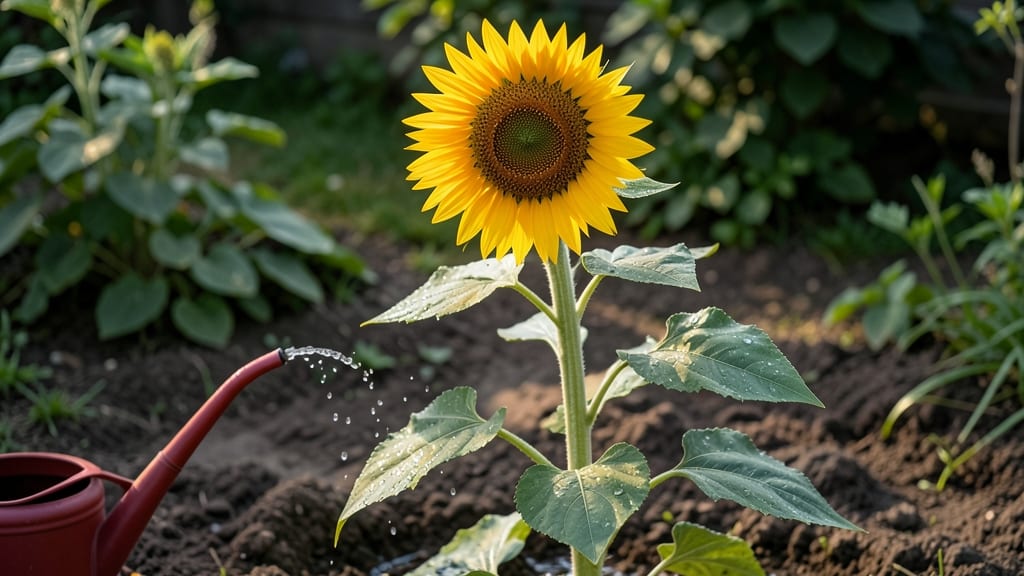
Growing towering sunflowers with the right water for sunflowers starts with the right watering strategy—too little and they wilt, too much and they rot, but get it just right and you’ll watch them reach for the sky.
You might think sunflowers are low-maintenance, but their legendary height comes from deep, consistent moisture. Skimp on water, and you’ll end up with stunted plants; overdo it, and you risk root rot.
The key is understanding how much, when, and how to water based on their growth stage and your climate.
From seedlings to blooming giants, sunflowers need 1-2 inches of water per week—more in scorching heat, less in cool, damp weather. I’ll walk you through the exact schedule, soil tests to avoid common mistakes, and pro tips to keep your sunflowers thriving without wasting a drop.
Ready to unlock their full potential? Let’s dive into the science of watering sunflowers for showstopping growth—no guesswork required.
How much water do sunflowers need for optimal growth?
Sunflowers thrive when given the right amount of water, but their needs change dramatically from seedling to mature plant. Underwatering stunts growth, while overwatering causes root rot—both can kill your towering giants before they bloom.
The key is understanding their hydration timeline and adjusting for your local climate. In my garden, I’ve learned that consistent moisture during critical stages is non-negotiable for those 10-foot stalks we all dream of.
Newly sprouted sunflowers need daily watering to keep their delicate roots hydrated, while established plants can stretch their watering schedule to every 5-7 days. The difference comes down to soil moisture levels and how quickly your local environment drains water.
In arid zones like Arizona, I water twice as often as in humid climates like the Pacific Northwest. Let’s break down the exact amounts and timing for each growth phase to ensure your sunflowers reach their full potential.
🌱
| Growth Stage | Water Amount | Frequency | Soil Moisture Goal | Climate Adjustments |
|---|---|---|---|---|
| Seedling (0-2 weeks) | 1/2 inch per week | Daily (keep soil damp) | Consistently moist | Double watering in heat |
| Vegetative (2-6 weeks) | 1-1.5 inches per week | Every 3-4 days | Top 2 inches moist | Reduce by 30% in rain |
| Flowering (6-10 weeks) | 1.5-2 inches per week | Every 5-7 days | Deep watering (6 inches) | Increase by 50% in drought |
| Maturity (10+ weeks) | 1 inch per week | Every 7-10 days | Top 4 inches slightly dry | Cut back in humidity |
During the seedling stage, sunflowers are most vulnerable to drought stress. I’ve seen young plants wilt dramatically within hours if the soil dries out. The solution? Use a moisture meter or stick your finger 1 inch deep—if it feels dry, water immediately.
In sandy soils, which drain quickly, I water twice daily until the plants are 2 weeks old. The goal here is to encourage a strong root system that can later support their heavy flower heads.
Once sunflowers reach the vegetative stage (typically 2-6 weeks), they start growing rapidly. This is when I switch to a deep watering schedule—soaking the soil to a depth of 4-6 inches every 3-4 days.
In my Zone 7 garden, this means about 1.5 gallons per plant each session. The key is to avoid surface watering, which encourages shallow roots. Instead, I use a soaker hose placed at the base to deliver water directly to the roots where it’s needed most.
When sunflowers enter flowering stage (around 6-10 weeks), their water needs peak. This is when they’re putting all their energy into producing those iconic blooms, and consistent moisture is critical. I’ve found that underwatering now leads to blossom drop, while overwatering can cause the stems to weaken.
The 1.5-2 inches per week guideline works well, but I adjust based on weather patterns. For example, during a heatwave, I increase frequency to every 2-3 days and add mulch to retain moisture.
In arid climates, like those in the Southwest, sunflowers may need 50% more water than the general guidelines. I’ve seen sunflowers in Phoenix wilt by midday if not watered deeply at dawn.
The trick is to water before 8 AM to reduce evaporation and fertilize lightly to encourage deeper roots. In contrast, humid regions like the Southeast can often cut watering by 30% because natural rainfall and higher humidity keep the soil moist longer.
By the time sunflowers reach maturity (typically 10+ weeks
Best watering schedule for sunflowers: when and how often
Timing your watering sessions is just as important as how much water your sunflowers receive. The right time of day and frequency can mean the difference between a thriving 10-foot giant and a wilting disappointment.
Morning watering is my top recommendation because it gives the soil time to dry slightly during the day, reducing fungal risks like powdery mildew that thrive in damp conditions.
Sunflowers are surprisingly adaptable, but their root development depends on consistent moisture—especially during their first 6-8 weeks of growth. Once established, they can handle brief dry spells, but their flower buds need steady hydration to reach their full, dramatic size.
I’ve found that deep watering every 2-3 days in hot weather keeps my sunflowers reaching for the sky.
⚠️ WARNING: Avoid Watering at Night! ⚠️
Your watering schedule should shift with the seasons. During spring and fall, when temperatures are moderate, watering every 3-4 days is usually sufficient. But in summer’s scorching heat, I increase frequency to every 2 days and sometimes even daily for young plants. Always check the top 1-2 inches of soil—if it’s dry, it’s time to water.
For container-grown sunflowers, the rules change slightly. Potted plants dry out 3x faster than in-ground varieties, so I water mine daily in summer and monitor soil moisture closely.
A well-draining pot with mulch on top helps retain moisture while preventing root rot. Pro tip: Use a moisture meter for containers—it’s a game-changer for avoiding over- or under-watering.
When it comes to watering techniques, deep watering beats shallow sprinkling every time. Aim the hose or watering can at the base of the plant and let it soak for 10-15 minutes.
This encourages roots to grow deep and strong, supporting those towering stems. I’ve seen sunflowers with hollow stems from inconsistent watering—always a sign of poor hydration practices.
Remember, sunflowers are drought-tolerant once mature, but their growth potential depends on your early care. Start with consistent morning watering, adjust for weather, and watch your sunflowers reach new heights—literally! With the right schedule, you’ll be harvesting seeds from sunflowers that seem to touch the clouds. 🌻