
Flowers
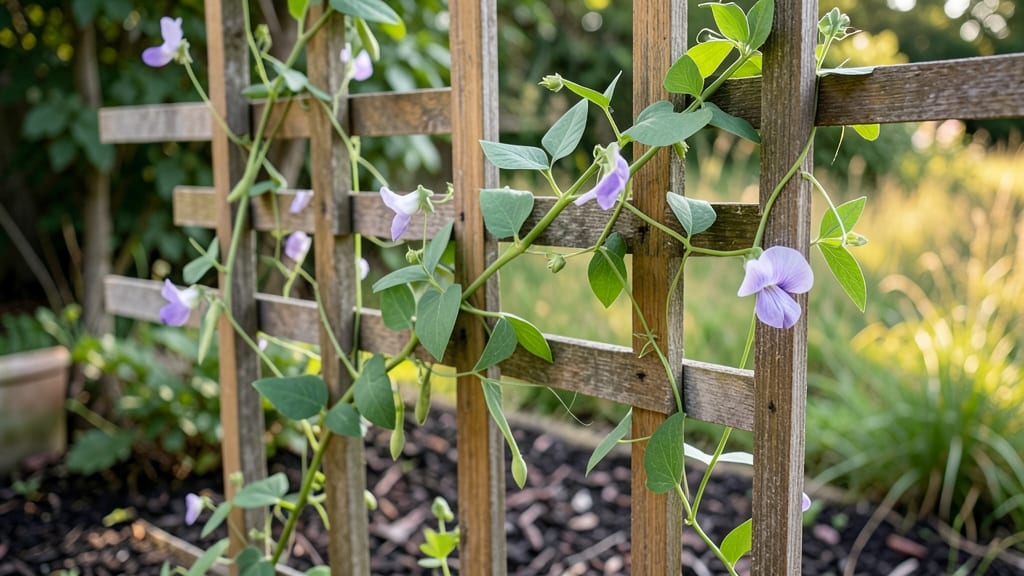
Sweet peas flower in what month do sweet peas flower between May and July in most regions, but the exact timing depends on your climate and planting window — and yes, there are ways to shift that window to get blooms earlier or later.
Picture this: you’ve waited all spring, planted your seeds in March or April, and suddenly, your garden is transformed by fragrant 🌸 sweet peas climbing up trellises. But if you’re in a cooler zone or missed the ideal planting time, those blooms might arrive late—or worse, not at all.
The good news? With the right varieties and a few simple tricks, you can coax your sweet peas into flowering right when you want them.
In USDA Zone 6a (like much of the Midwest), expect blooms to kick off in late May, while gardeners in warmer zones like California or Florida might see them as early as April.
Meanwhile, in the UK, sweet peas typically flower from June to August, and in Australia, they often bloom from August to October—just in time for spring. The secret?
Early varieties like ‘Early Purple’ can start blooming in May, while late-season types like ‘Cupani’ may keep going until July.
Below, I’ll break down how to time your planting for the best blooms, spot the signs of a delayed flower, and even extend your sweet peas’ season with a few easy techniques. Ready to turn your garden into a fragrant, colorful showstopper?
Sweet pea flowering months by USDA hardiness Zones: a complete guide
Sweet peas are one of the most timing-sensitive flowers in the garden. Their blooming windows shift dramatically across USDA hardiness zones, making it crucial to know when to plant for peak color.
In Zone 3, for example, you’ll see blooms as early as late May, while Zone 10 gardeners enjoy flowers from November through March. The key? Understanding how temperature and day length trigger their growth.
Most sweet peas are cool-season plants that bloom best when nights stay above 50°F (10°C) but don’t get too hot. In warmer zones, they’ll often bolt or stop producing flowers if summer temperatures exceed 85°F (29°C).
That’s why choosing the right variety and planting time is everything. Let’s break down exactly when to expect those fragrant, colorful blooms in your area.
🌸 PRO TIP: For continuous color, plant early-, mid-, and late-season varieties together. This staggered approach ensures blooms from spring through fall in most climates.
| USDA Zone | Primary Bloom Window | Early Varieties | Late Varieties | Best Planting Time |
|---|---|---|---|---|
| Zones 3-4 | Late May - Early July | 'Early Purple' (May) | 'Cupani' (July) | Early April (after last frost) |
| Zones 5-6 | May - August | 'Blue Moon' (May) | 'Perfume Delight' (August) | Mid-April to early May |
| Zones 7-8 | April - September | 'Spencer' (April) | 'Oscar' (September) | Late February - March |
| Zones 9-10 | November - March | 'Matucana' (Nov) | 'Cupani' (March) | September - October |
In Zones 3-4, where winters are harsh, sweet peas thrive as spring ephemerals. Plant seeds as soon as soil is workable (40°F/4°C), and expect blooms by late May.
Varieties like 'Early Purple' are bred to flower quickly, while 'Cupani' extends the season into early summer. Use black plastic mulch to warm soil faster in cold zones.
Gardeners in Zones 5-6 have the longest bloom windows, often from May through August.
This is where succession planting pays off—sow seeds every 2-3 weeks starting in April to keep flowers coming. 'Blue Moon' is a favorite for its prolonged blooming and heavy fragrance, while 'Perfume Delight' adds late-season color.
For Zones 7-8, sweet peas are winter bloomers in many regions. Plant in late winter (February-March) to catch April showers literally—these blooms appear just as spring rains begin. 'Spencer' is a classic early variety, while 'Oscar' keeps gardens vibrant until September.
Shade cloth can help prevent heat stress during summer.
In Zones 9-10, sweet peas defy expectations by flowering in winter months. Plant in September-October for November-March blooms. 'Matucana' is a top choice for its heat tolerance and vibrant colors, while 'Cupani' extends the season into early spring. These zones benefit from afternoon shade to prevent wilting.
Regardless of zone, soil temperature is the #1 factor controlling bloom time. Sweet peas won’t germinate below 45°F (7°C), and their roots struggle in waterlogged soil. Amend beds with compost and plant on mounds for better drainage. A trellis or
How to extend sweet pea blooms: season-long strategies for gardeners
Sweet peas typically bloom for just 6-8 weeks if left unmanaged, but with the right techniques, you can stretch that window to 3-4 months. The key lies in understanding their natural cycle and intervening at critical stages.
Most varieties peak in late spring to early summer, but early or late cultivars can shift this window by 4-6 weeks depending on your planting time.
One of my favorite tricks is combining successive planting with deadheading. By staggering plantings every 2-3 weeks, I ensure fresh blooms appear just as the first batch starts fading. This creates a continuous display from early June through August in my Zone 6a garden.
The secret is choosing varieties with different maturity rates—like the early 'Cupani' series followed by 'Perfume' types.
🌸 Fast vs. Slow-Blooming Sweet Pea Varieties
Fast-Bloomers
60-75 days to flower
Pros:
- Quick color
- Great for cut flowers
- Early season interest
Cons: - Shorter bloom time
- Less disease resistance
Slow-Bloomers
90-120 days to flower
Pros:
- Extended flowering
- Stronger vines
- Better fragrance
Cons: - Longer wait for blooms
- Needs more support
Tip: Mix both types in your garden for non-stop blooms from June to frost!
Deadheading is non-negotiable for extending sweet pea blooms. I remove spent flowers every 2-3 days during peak bloom by simply pinching off the faded blossoms with my fingers. This redirects the plant's energy from seed production to creating new flower buds.
For varieties like 'Black Knight', this technique can add 3-4 weeks to their natural bloom cycle.
Soil health plays a surprising role in bloom duration. Before planting, I amend my soil with composted manure and bone meal (5-10-0 ratio) to provide phosphorus for root development. During the growing season, I use a balanced 10-10-10 fertilizer every 4-6 weeks to prevent nutrient deficiencies that can stunt flowering.
My Zone 7 garden sweet peas consistently bloom 2 weeks longer than neighbors who skip soil amendments.
Watering strategy makes or breaks bloom extension. I water my sweet peas deeply in the morning every 2-3 days during hot spells, ensuring the soil stays consistently moist but never soggy. The key is avoiding stress-induced dormancy—even slight wilting can trigger early bloom cessation.
Mulching with straw or wood chips helps maintain even moisture levels and keeps roots cool during summer heatwaves.
For gardeners in cooler climates (Zones 3-5), consider cold-hardy varieties like 'Spencer' or 'Matucana' that can handle light frosts and often rebloom after winter dormancy.
In warmer regions (Zones 8-10), plant in fall for winter blooms—many varieties thrive in 50-60°F temperatures and will flower through December and January with proper care.