
Plants
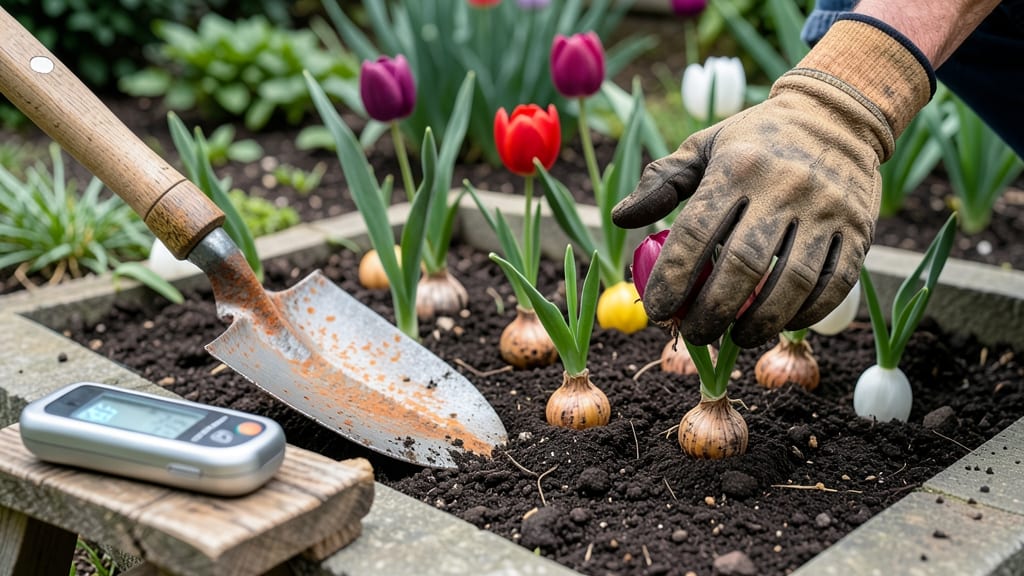
Planting tulips in the ground between September and November ensures they’ll establish roots before winter, setting the stage for stunning spring blooms 🌷.
If you’ve ever rushed to plant them too late and watched your bulbs fail to thrive—or worse, rot—you know timing is everything. The key is getting them in the soil 4 to 6 weeks before the first frost, giving roots time to anchor while the ground stays workable.
This guide breaks down the exact frost-free zone windows for USDA Zones 3 through 10, including adjustments for unpredictable weather, container planting, and how to salvage bulbs if you miss the ideal window.
You’ll learn the month-by-month planting schedule, soil prep secrets, and the one common mistake that kills more tulips than frost ever does.
Best months to plant tulips by USDA hardiness Zones
Planting tulips at the right time ensures strong root development before winter and vibrant spring blooms. The ideal window varies by USDA zone, with most gardeners aiming for 4-6 weeks before ground freezes.
In colder climates, this means early fall, while warmer zones can extend planting into late fall or even early winter.
Northern regions (Zones 3-6) need to plant tulips by late September or October to avoid winter frost damage. Southern areas (Zones 7-10) have more flexibility, often allowing planting until November or December.
Understanding your zone helps prevent common mistakes like planting too early (risking rot) or too late (weak blooms).
Here’s a quick reference for planting tulips by zone, including early fall vs. late fall adjustments:
| USDA Zone | Best Planting Month | Soil Temp Goal | Notes |
|---|---|---|---|
| Zones 3-4 | Mid-September to early October | 45-55°F | Plant early to establish roots before harsh winters. |
| Zones 5-6 | Late September to mid-October | 50-60°F | Avoid planting after first frost; mulch for insulation. |
| Zones 7-8 | October to early November | 55-65°F | Can plant later; soil stays warmer longer. |
| Zones 9-10 | November to December | 60-70°F | Plant in cooler months; avoid summer heat stress. |
For Zones 3-6, aim to plant tulips 6-8 weeks before the first frost. For example, if your average first frost is November 15, plant by late September.
In Zones 7-10, where winters are milder, you can extend planting until December, but avoid planting in summer heat, which stresses bulbs.
Unpredictable weather? Use a soil thermometer to check temperatures. Tulips need 40-50°F soil for root growth. If your area has warm falls, plant earlier to prevent bulbs from sprouting too soon. Conversely, if winters are harsh and early, plant closer to the late fall deadline.
Southern gardeners in Zones 9-10 can sometimes plant tulips in early spring (February-March), but this method skips winter dormancy, often resulting in smaller blooms. For best results, always prioritize fall planting, even in warmer climates. Mulching with straw or leaves adds extra protection against temperature swings.
Container planting shifts the timeline slightly. Potted tulips can be planted 1-2 weeks later than in-ground bulbs since containers warm up faster. However, move pots to a garage or cold frame if freezing temps are forecasted before planting.
This gives you flexibility in Zones 7-10 to plant as late as January in mild winters.
Pro tip: Mark your planting dates on a garden calendar to avoid last-minute rushes. If you miss the ideal window, late fall is still better than spring planting, which rarely yields strong blooms. With the right timing, your tulips will reward you with bold, healthy flowers next spring.
🌷
How to adjust tulip planting for late fall or early spring
When your ideal fall planting window slips away, don't panic! Tulip bulbs are surprisingly adaptable, but timing still matters. Late fall or early spring planting requires extra care to ensure your tulips thrive and bloom beautifully. The key is understanding how soil temperature and frost timing affect bulb development.
In colder climates (USDA Zones 3-6), late fall planting can still work if you act quickly. The goal is to plant 4-6 weeks before ground freezes, giving bulbs time to establish roots.
In warmer zones (7-10), early spring planting might even be an option—but with important caveats we'll cover. Let's break down how to adjust your approach.
⚠️ Critical Rule for Off-Season Planting
Never plant tulips when soil temperatures exceed 60°F (15°C). Warm soil triggers premature sprouting, which weakens bulbs and leads to rot. Use a soil thermometer to check—plant only when temps consistently stay below 50°F (10°C).
For late fall planting, aim for soil temps between 40-50°F (4-10°C). In early spring, wait until 4-6 weeks before last frost—never plant when ground is still frozen.
For late fall planting, focus on soil preparation and mulching. Work compost into the soil to improve drainage, then plant bulbs 6-8 inches deep. After planting, apply a 4-inch layer of straw mulch to insulate bulbs from winter temperature swings.
This extra protection lets you plant up to 2 weeks later than ideal without risking frost damage.
If you're planting in early spring, success depends on your climate. In Zones 7-10, tulips can often be planted in February-March as long as soil temps stay cool.
However, blooms may be smaller or delayed compared to fall-planted bulbs. For Zones 3-6, spring planting rarely works—bulbs need winter chilling to bloom properly.
One clever trick for early spring planting is to pre-chill bulbs. Store them in your refrigerator's crisper drawer (not freezer) for 8-12 weeks before planting. This mimics winter conditions and can improve bloom quality. Just remember: spring-planted tulips often need extra sunlight to compensate for their shorter growth period.
Regardless of timing, always plant tulips in well-draining soil. Poor drainage is the #1 killer of off-season planted bulbs. Amend heavy clay with sand or perlite, and avoid planting in low spots where water pools.
With these adjustments, you can successfully plant tulips outside the ideal window and still enjoy stunning spring blooms.