
Flowers
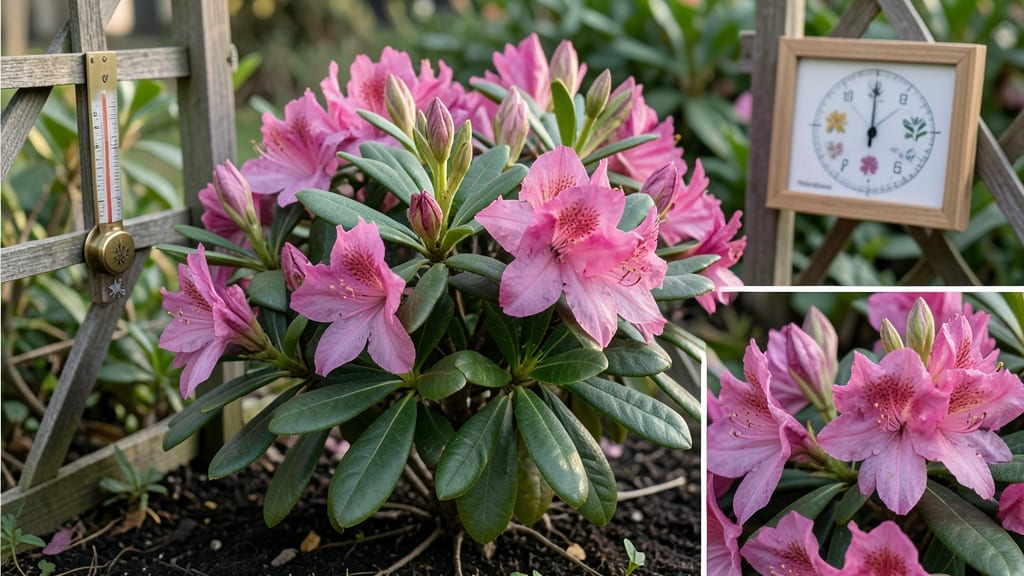
Azaleas flower in spring, with exact months depending on your climate zone and variety — and getting it right means never missing their stunning displays again.
If you’ve ever wondered why your neighbor’s azaleas burst into color in April while yours wait until May, the answer lies in your USDA zone and the specific type you’ve planted. Some varieties even bloom in late fall, adding a second show to the season.
In Zone 6a, where many gardeners live, most azaleas flower between April and May, but cooler regions can see blooms as early as March, while warmer zones may stretch them into June. Understanding these patterns helps you plan your garden visits for peak color.
Below, I break down the exact months for your zone, how to encourage longer blooms with simple care, and which varieties fit your timeline — so you can enjoy weeks of vibrant 🌸 without the guesswork.
Azalea blooming months by USDA climate Zone: a month-by-month guide
Timing your garden visits to catch azaleas in full bloom is easier when you know their USDA zone and variety types. These stunning shrubs typically flower in spring or fall, but exact months shift dramatically depending on where you live.
In Zone 3, for example, late-season blooms might appear as early as May, while Zone 10 azaleas can flower year-round with fall and winter blooms.
Understanding these patterns helps you choose early, mid, or late-season varieties that align with your local climate. The Pacific Northwest often sees blooms 2-4 weeks earlier than the Southeast due to cooler, wetter springs. Meanwhile, Southern California gardens in Zone 10 might enjoy fall-blooming varieties that thrive in milder winters.
Key factors influencing bloom times include chilling hours (cold winter periods), soil acidity, and microclimates. For instance, Zone 7 gardeners in Appalachia may see April-May blooms, while those in Texas Hill Country might experience March-April displays. Let’s break down the exact months by zone to help you plan your azalea-viewing calendar.
| USDA Zone | Primary Bloom Months | Early Varieties | Late Varieties | Regional Notes |
|---|---|---|---|---|
| Zones 3-4 | May-June | ‘Bow Bells’ (late May) | ‘Hino Crimson’ (early June) | Short season; needs full chilling. |
| Zones 5-6 | April-May | ‘Girard’s Pink’ (late April) | ‘Coral Bells’ (early June) | Longer bloom window; Pacific NW blooms earlier. |
| Zones 7-8 | March-April | ‘George L. Taber’ (early March) | ‘Southern Charm’ (late May) | Fall bloomers (e.g., ‘Oconee’) appear in October-November. |
| Zones 9-10 | Year-round (peaks Feb-Apr, Oct-Nov) | ‘Kramer’s Supreme’ (Jan-Feb) | ‘Tiny Wine’ (Dec-Jan) | No dormancy; blooms triggered by rainfall. |
In Zones 3-4, azaleas rely on cold winter chilling to trigger spring blooms, typically appearing between May and June. Varieties like ‘Bow Bells’ are early risers, while ‘Hino Crimson’ extends the show into early summer. These zones require hardy, cold-tolerant varieties that can withstand subzero temperatures.
Gardeners in Zones 5-6 enjoy a longer bloom window, with April-May being prime time. The Pacific Northwest often sees blooms 2-3 weeks earlier than the Midwest due to cooler, wetter springs. For example, ‘Girard’s Pink’ might burst into color in late April, while ‘Coral Bells’ stretches the season into June.
Southern gardeners in Zones 7-8 have the advantage of both spring and fall blooms. Spring blooms peak in March-April, but don’t miss fall varieties like ‘Oconee’, which shine in October-November.
These zones also support evergreen azaleas that maintain color year-round, making them ideal for landscaping accents.
For Zones 9-10, azaleas defy seasonal norms, often blooming year-round with peaks in February-April and October-November. Varieties like ‘K
How to extend azalea blooming season: pruning and care tips
Azaleas are famous for their spectacular spring blooms, but with the right care, you can coax them into flowering longer—or even repeat the show later in the season. The key lies in understanding their natural cycle and making small adjustments to encourage more buds.
Most azaleas bloom in late spring (April-May), but some varieties can extend their display into early summer—or even fall—with proper timing and techniques.
First, let’s address the most common question: When do azaleas flower? The answer depends on your USDA zone and variety.
Early bloomers like Rhododendron ‘Girard’s Pink’ may start as early as March in Zone 7, while late varieties like ‘Hino Crimson’ might hold onto their blooms until June in Zone 8. Understanding these timelines helps you plan your care strategy for maximum impact.
🌸 When Do Azaleas Flower?
- Early Bloomers: March-April (Zones 6-8) – Examples: ‘George L. Taber’, ‘Karen’
- Mid-Season: April-May (Zones 5-9) – Most common varieties like ‘Girard’s Pink’, ‘Hino Crimson’
- Late Bloomers: May-June (Zones 7-10) – Heat-tolerant types like ‘Bow Bells’, ‘Southern Charm’
- Fall Rebloomers: September-October (Zones 7-9) – Requires special care (see tips below)
🌿 Pro Tip: Fall-blooming azaleas need consistent moisture and light pruning to encourage second flushes.
To extend your azalea’s blooming season, start with pruning after flowering. This is critical because azalea buds form on old wood—meaning you must wait until after the last bloom falls before trimming.
Cut back dead or crossing branches to improve airflow, which reduces disease and encourages new growth for next year’s buds.
Next, focus on fertilizing at the right times. Azaleas thrive on acid-loving plant food with a low phosphorus ratio (e.g., 8-6-6 or 10-5-5). Apply fertilizer in early spring (March-April) and again in early summer (June-July) to support bud formation.
Avoid fertilizing in fall or winter, as this can stimulate tender new growth that won’t survive cold snaps.
Watering plays a huge role in bloom duration. Azaleas prefer consistently moist but well-drained soil. During bloom season, water deeply 2-3 times per week, especially in containers, which dry out faster.
Mulch around the base with pine bark or shredded leaves to retain moisture and mimic their natural acidic forest-floor habitat. This helps roots stay cool and hydrated, supporting longer blooms.
For repeat blooming, create a microclimate that mimics their native conditions. Plant azaleas where they receive morning sun and afternoon shade, and protect them from hot afternoon sun, which can scorch leaves and stress the plant.
In hotter climates (Zones 8-10), consider adding a light shade cloth during peak summer heat to prevent bud drop. These adjustments can coax some varieties into a second bloom in fall.
Finally, monitor your azalea’s health and stress levels. Yellowing leaves often signal overwatering or nutrient deficiencies, while dropping buds may indicate sudden temperature swings or drought stress. Address these issues promptly to keep your azalea thriving—and blooming—for years to come.
With these care tips, you’ll enjoy weeks of vibrant color instead of just a fleeting spring show! 🌷