
Flowers
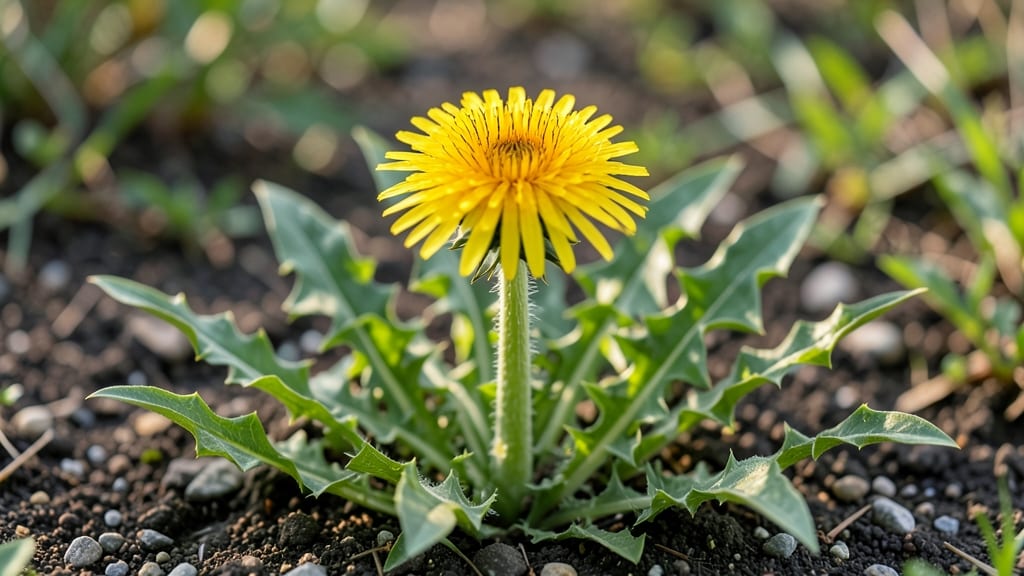
Dandelions flower in early spring, often as soon as the ground thaws, and their bright yellow blooms can last until late summer—making them one of the first sources of pollen for bees.
If you’ve ever spotted dandelions popping up in your lawn or garden, you might wonder why they appear so suddenly—and when they’ll bloom. These hardy perennials follow a predictable flowering schedule, influenced by climate, sunlight, and even your location’s USDA zone.
In Zone 6a, where many gardeners live, dandelions typically burst into bloom between March and April, with a second flush in fall if conditions are right. Warmer zones see earlier blooms, while cooler regions may delay them until late spring.
Understanding their timing helps you control them or even harness their benefits for pollinators and early spring color. Below, I’ll break down how sunlight, soil, and your local climate affect when dandelions flower—and what you can do to manage them.
Dandelion flowering seasons by USDA zone: what to expect
Dandelions are among the first flowers to brighten up gardens and lawns each year, but their exact flowering timing depends heavily on your USDA zone.
In warmer zones like 9-10, they may bloom as early as January or February, while in colder zones like 3-5, you’ll likely see flowers in late April or May. This variation occurs because dandelions are highly sensitive to temperature shifts and daylight hours.
Understanding these patterns helps you time control efforts or enjoy their early pollinator benefits.
In USDA zones 3-5, where winters are harsh, dandelions often wait until soil temperatures rise above 50°F (10°C) to push through the ground. This usually happens in late April or early May, with blooms lasting until June or July.
However, a mild winter can trigger earlier blooming, sometimes as early as March. These zones also experience a second, smaller flush of flowers in fall, typically September to October.
If you live in USDA zones 6-8, you’ll notice dandelions blooming even earlier. In zone 6, expect flowers from March through June, while zone 8 may see them as early as February.
The southern regions of zone 8 can even have year-round blooms, especially in microclimates like urban heat islands or near south-facing walls. Fall blooms in these zones often extend into November, especially in areas with mild winters.
For gardeners in USDA zones 9-10, dandelions are nearly year-round performers. They often bloom in winter months (December-February) and continue through spring and fall. In zone 10, you might see flowers in every month except the hottest summer weeks.
Coastal areas in these zones may experience even more consistent blooming due to moderate temperatures and high humidity, which reduce stress on the plants.
| USDA Zone | Primary Bloom Window | Secondary Bloom Window | Microclimate Notes |
|---|---|---|---|
| 3-5 | Late April - July | September - October | Warmer microclimates (urban areas) may bloom 2-3 weeks earlier. |
| 6 | March - June | September - November | South-facing slopes can extend blooms into December. |
| 7 | February - May | August - October | Coastal areas may have blooms year-round. |
| 8 | January - April | July - November | Urban heat islands can trigger winter blooms. |
| 9-10 | December - February | June - September | High humidity areas may have continuous blooms. |
Microclimates play a surprisingly large role in dandelion flowering. Even within the same USDA zone, a south-facing slope or urban heat island can push blooming dates forward by 2-4 weeks.
For example, in zone 6, dandelions on a sunny hillside might bloom in February, while those in a shaded valley could wait until April. Similarly, well-drained soil in raised beds or sandy areas encourages earlier blooming compared to heavy clay soils.
Regional variations also matter. In the Pacific Northwest (zone 7-8), dandelions often bloom earlier due to mild winters and high rainfall, while in the Midwest (zone 5-6), harsh winters delay blooming until late April or May.
Even within states, elevation changes can shift flowering times. For instance, dandelions at 5,000 feet elevation in Colorado (zone 5) may bloom 3 weeks later than those at 1,000 feet.
If you’re trying to control dandelions, timing is key. Pre-emergent herbicides work best when applied 2-4 weeks before expected blooming in your zone. For example, in zone 5, apply treatments in early April to catch seeds before they sprout.
Conversely, if you want to encourage dandelions for pollinators, leave some areas undisturbed during their primary bloom window to support early-season bees and butterflies.
Dandelions also exhibit a fascinating adaptation: their flowering is triggered by daylight length rather than just temperature. As days lengthen in spring, they produce flowers rapidly, while shorter days in fall trigger a second bloom cycle.
This explains why you’ll often see dandelions flowering in late summer or early fall, even in warmer climates where you’d expect dormancy.
For gardeners in warmer zones (9-10), the challenge isn’t just timing blooms but managing year-round growth. These zones may see dandelions flowering in winter months, which can be surprising but is perfectly normal.
If you’re dealing with persistent blooms, focus on deep soil cultivation in late summer to disrupt their root systems before they set seed for the next cycle.
No matter your zone, dandelions are a reliable indicator of seasonal changes. Their early blooms signal the return of pollinators
How sunlight and soil affect dandelion flowering timing
Dandelions thrive in almost any condition, but their flowering timing shifts dramatically based on sunlight exposure and soil quality. In my experience, full sun triggers earlier blooms, while partial shade can delay flowering by weeks. This adaptability is why dandelions pop up everywhere—from sunny lawns to shady garden edges.
Most gardeners notice dandelions blooming between March and May in temperate zones, but these timelines flex with environmental cues. For example, dandelions in full sun may flower as early as February in warmer climates, while shaded plants might wait until late April or May.
The key lies in how light and soil interact to regulate their growth hormones.
⚠️ Warning: Don't Assume Dandelions Bloom on Schedule
Shade delays blooms by 3-4 weeks compared to full sun. Poor soil (low nutrients or compacted) can push flowering back even further. If you're trying to control dandelions, adjust sunlight or soil to disrupt their natural cycle—just be cautious, as this affects pollinators too.
Dandelions prefer well-draining soil with moderate nutrients, but they’re surprisingly resilient. In nutrient-poor soil, flowering may be sparse or delayed as the plant focuses on root growth.
I’ve seen dandelions in sandy soil bloom later than those in loamy garden beds because they struggle to access moisture and nutrients quickly.
To encourage earlier blooms, amend your soil with compost or aged manure in early spring. This boosts nutrient availability, helping dandelions shift energy from roots to flowers. Conversely, overly fertile soil can produce lush foliage but delay blooming—nature’s way of balancing growth stages.
Watering plays a subtle but critical role. Dandelions in dry soil may flower later as they prioritize survival, while consistent moisture (but not soggy conditions) promotes steady growth. In my Zone 6a garden, I’ve found that deep watering once weekly keeps dandelions blooming reliably from March through May.
For gardeners looking to suppress dandelions, reduce sunlight by planting taller crops nearby or mulching heavily. Conversely, if you want to encourage blooms for pollinators, ensure they get 6+ hours of sun and well-aerated soil. The same principles apply whether you’re managing them or embracing their early-season beauty.