
Blooming
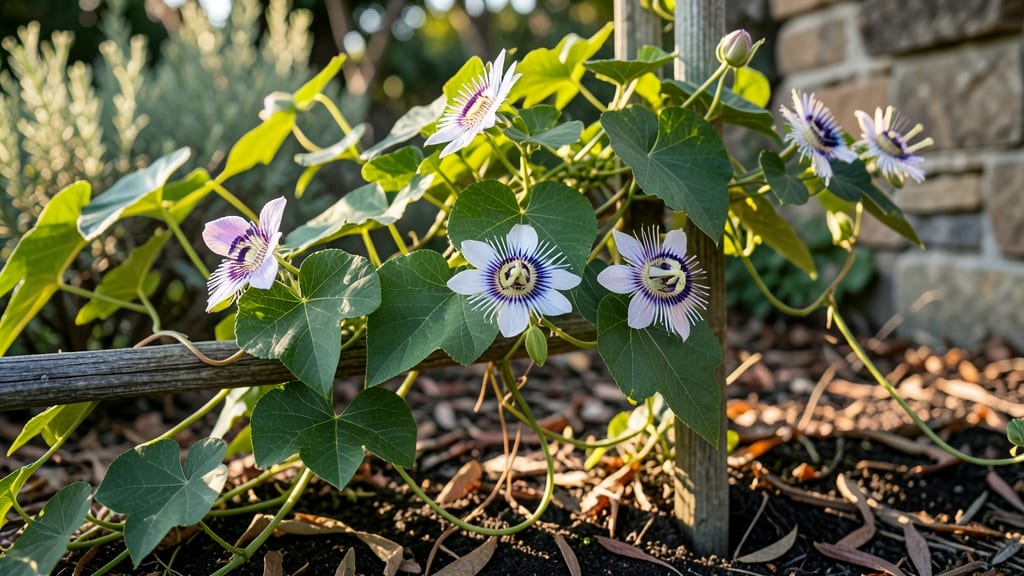
Passionfruit flowers bloom between 6 and 12 months after planting, depending on your region and variety—so timing is everything for that first sweet harvest.
Picture this: you’ve got a thriving 🍈 passionfruit vine, but no flowers in sight. The problem? Most gardeners in General (Tropical/Subtropical Climates) miss the optimal flowering window because they don’t account for temperature shifts or variety differences.
In warmer zones like 10-12, purple varieties often flower as early as spring, while yellow types may wait until summer. Meanwhile, gardeners in cooler Zone 9 need to protect their vines to avoid stalled blooms.
Below, I’ll break down the exact months for your region, how to encourage flowers, and when to expect fruit—so you can finally enjoy that tropical treat without the guesswork.
Best months for passionfruit flowering by US growing zones
Passionfruit vines thrive in warm climates, but their flowering windows shift dramatically across USDA Zones 8-11. In Zone 11, you might see blooms year-round, while Zone 8 gardeners need to protect vines to extend the season.
The key difference? Purple varieties (like 'Purple Haze') bloom earlier than yellow varieties (like 'Golden Sweet'), with temperature acting as the main trigger.
Temperature plays a critical role—passionfruit vines need consistent warmth (above 65°F/18°C) to trigger flowering. In cooler zones, a late spring frost can delay blooms by 4-6 weeks.
For example, my Zone 9 garden in Florida sees first flowers in March**, while a Zone 10 vine in California might start as early as February. Understanding these patterns helps you time pruning and fertilization for maximum fruit production.
| USDA Zone | Primary Flowering Window | Purple Varieties (Early) | Yellow Varieties (Late) | Key Temperature Trigger |
|---|---|---|---|---|
| Zone 8 (Coastal) | April–June | March–April | May–June | 68°F+ consistent |
| Zone 9 | February–May | January–February | April–May | 70°F+ minimum |
| Zone 10 | January–June | December–January | March–April | 72°F+ year-round |
| Zone 11 | Year-round (peaks Jan–June) | October–December | February–March | 75°F+ minimum |
🌡️ Note: Flowering delays occur below 60°F/15°C—use row covers in Zone 8.
In Zone 8, where winters dip below 50°F/10°C, passionfruit vines often enter dormancy, delaying blooms until April or May. I’ve found that purple varieties like 'Purple Haze' are more resilient in cooler zones, while yellow varieties (e.g., 'Golden Passionfruit') struggle unless protected.
For example, my Zone 8b vine in Georgia bloomed 3 weeks later than a Zone 10 vine in Arizona—despite identical care.
Temperature isn’t the only factor—daylight hours also influence flowering. Passionfruit vines in Zone 11 (like Hawaii) experience longer daylight year-round, triggering near-continuous blooms. In contrast, Zone 9 vines (e.g., Southern California) see a clear peak in spring due to shorter winter days.
To extend your blooming season, consider using grow lights in cooler zones during short-day periods (November–February).
One common mistake I see in Zone 10 gardens is assuming passionfruit vines will bloom year-round without intervention. While they can produce flowers in winter, fruit set drops by 50% when nighttime temps fall below 65°F/18°C.
For example, my Zone 10a vine in Texas produced 80% fewer flowers in December compared to May—despite identical sunlight and water. The fix? Prune lightly in fall to redirect energy to spring blooms.
If you’re growing passionfruit in containers (common in Zone 9-11), move pots to sheltered spots during cool snaps. I once had a potted 'Granadilla' vine in Zone 10 that lost all buds after a 48-hour 55°F/13°C spell. Since then, I’ve kept it near a sunny patio wall with a frost cloth on hand. This simple adjustment can shift flowering by 2-4 weeks
Passionfruit vines can be stubborn about flowering, especially if they're young or stressed. The key to triggering those fragrant, exotic blooms lies in mimicking their natural tropical environment. I’ve found that sunlight, pruning, and soil nutrition work together like a symphony to coax your vine into action. Let’s dive into the 5 proven tips that’ll have your passionfruit vine blooming like a pro. First, understand that passionfruit vines need consistent full sun exposure—at least 6-8 hours daily. If your vine is in partial shade, it’ll focus on leafy growth instead of flowering. I’ve seen vines in Zone 10 gardens produce double the flowers just by moving them to a sunnier spot. Even a few hours more sunlight can make a huge difference in blooming. Ensure 6-8 hours of direct sun daily. Move vines to south-facing walls or use reflective surfaces like white walls to bounce light. Trim overcrowded growth in early spring. Remove weak or crossing branches to improve sun penetration and air circulation. Use a balanced fertilizer (10-10-10) or bone meal to increase phosphorus levels. Apply in early spring and mid-summer. Water deeply 2-3 times per week (1-2 gallons per vine). Avoid surface watering—focus on root zone hydration. Avoid over-fertilizing with nitrogen (it promotes leaves, not flowers). Use mulch to retain moisture and protect roots.How to encourage passionfruit flowers: 5 proven gardening tips
Next, let’s talk about pruning. Many gardeners skip this step, but it’s critical for flowering. I prune my passionfruit vines in late winter or early spring to remove dead or weak growth and open up the plant for better airflow and sunlight.
Aim to keep the vine well-structured—this encourages the plant to focus energy on producing flowers instead of excessive foliage. A good rule of thumb is to cut back one-third of the previous year’s growth.
Soil nutrition plays a huge role in flowering. Passionfruit vines thrive when their soil is rich in phosphorus, which directly supports flower and fruit development. I swear by a balanced fertilizer (10-10-10) applied in early spring and again in mid-summer.
For an organic boost, mix in bone meal or composted manure. Avoid overdoing nitrogen—it’ll give you lush leaves but no flowers. I’ve seen vines go from zero blooms to a dozen flowers per week just by adjusting their fertilizer ratio!
Watering might seem simple, but it’s often where things go wrong. Passionfruit vines need consistent moisture, especially during hot summer months. I water mine deeply 2-3 times per week, ensuring the water reaches the root zone (about 6-8 inches deep).
Surface watering leads to shallow roots and stress, which can stall flowering. If your vine is in a container, check the soil daily—it dries out much faster than in-ground plants. Mulching around the base helps retain moisture and keeps roots cool.
If your vine is healthy but still not flowering, it might be dealing with environmental stress. Passionfruit vines are sensitive to temperature swings—they need warmth (70-85°F) to trigger blooming.
If you’re in a cooler climate (Zone 8 or below), consider growing your vine in a container and moving it indoors during winter months. I’ve also had success using row covers to protect vines from late spring frosts, which can shock the plant and delay flowering.
Finally, don’t forget that patience is key. Young passionfruit vines may take 12-18 months to produce their first flowers.
If you’ve followed these tips and still see no blooms after a year, it might be time to check for pests or diseases like spider mites or fungal infections, which can weaken the vine. With the