
Blooming
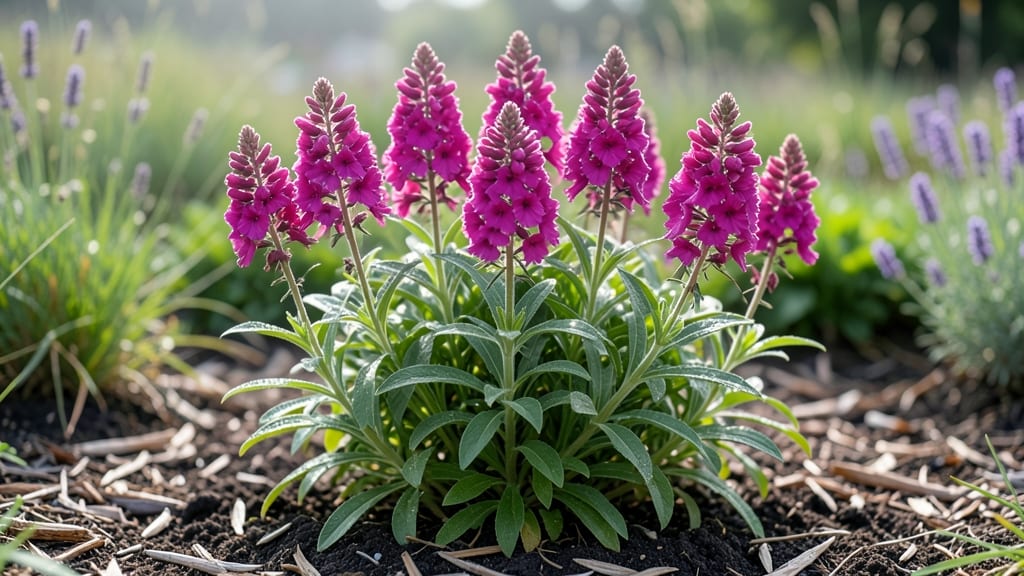
Phlox flowers bloom in late spring through summer, with some varieties reblooming in fall 🌸—but the timing depends on your zone, variety, and how you prep the soil.
Picture this: You’ve spent weeks tending to your phlox, only for the buds to fizzle out before they even open. That’s often because they’re sensitive to heat and need the right balance of cool-season triggers to set flowers.
Too much sun or the wrong soil can delay blooms—or even stop them altogether.
In USDA Zone 6a, most phlox start flowering in June and peak by July, but early varieties like creeping phlox can bloom as early as May. Perennial phlox may even put on a second show in late summer if you deadhead regularly and keep them well-watered.
Below, I’ll break down the exact timing for your region, how to encourage longer blooms, and the 3 key mistakes that sabotage phlox flowers before they even begin. Ready to turn your garden into a pollinator paradise?
Phlox flowering seasons: when & why they bloom in spring & fall
Phlox flowers are nature’s way of painting your garden in vibrant hues—twice a year! Their blooming cycles are closely tied to temperature shifts and day length, making them thrive in both early spring and late summer/fall.
Understanding these patterns helps you plan your garden for maximum impact. Early bloomers like creeping phlox wake up as soon as soil temperatures rise above 40°F, while garden phlox varieties prefer the cooler days of late summer.
The secret behind phlox’s dual-season blooms lies in their cool-season triggers. These hardy perennials (and some annuals) form flower buds during fall or early spring when temperatures dip below 75°F.
Once buds are set, they burst into color as soon as conditions improve—typically April-May for spring varieties and August-September for fall bloomers. This adaptability makes phlox a gardener’s favorite for extending seasonal interest.
🌸 Pro Tip: If you live in USDA Zones 3-8, you can enjoy phlox blooms year-round by choosing the right varieties. For example, woodland phlox thrives in shade and blooms early, while tall garden phlox loves full sun and shines in late summer.
| Phlox Type | Bloom Season | Temperature Trigger | Sunlight Needs | Reblooms? |
|---|---|---|---|---|
| Creeping Phlox | Early Spring (April-May) | Soil > 40°F | Full sun to partial shade | No |
| Woodland Phlox | Late Spring (May-June) | Soil > 50°F | Partial shade | No |
| Garden Phlox | Late Summer (August-September) | Days < 75°F | Full sun | Yes (with care) |
| Annual Phlox | Summer (June-July) | Warm soil | Full sun to partial shade | No |
Spring-blooming phlox, like creeping phlox, are the early risers of the garden. They emerge as soon as the ground thaws and temperatures stabilize above 40°F. These ground covers create a carpet of color in April-May, attracting bees and butterflies before other perennials even think about blooming.
Their short stature (6-12 inches) makes them perfect for rock gardens or border edges.
In contrast, garden phlox (the tall, showy varieties) prefer the cool snap of late summer. As temperatures drop below 75°F in August-September, these 3-foot-tall beauties burst into clusters of pink, purple, or white blooms.
They’re the star of the show in late-season gardens, providing color when many other plants are winding down.
One of the most fascinating aspects of phlox blooming is how day length and temperature work together. Phlox plants detect shorter days in fall and longer days in spring, which signals their bodies to form flower buds.
This is why you’ll often see second flushes of blooms in garden phlox—if you deadhead spent flowers and provide consistent moisture, they’ll reward you with a rebloom in late summer.
If you’re wondering why your phlox isn’t blooming, check the temperature and sunlight conditions. Phlox needs at least 6 hours of sun daily to set buds properly. Too much shade or hot afternoon sun can stress the plant and delay flowering.
Additionally, over-fertilizing with nitrogen (like lawn fertilizer) will produce lush foliage but fewer flowers. Stick to a balanced 10-10-10 fertilizer in early spring to
How to extend phlox blooms: heat tolerance tips & deadheading hacks
If you love the vibrant clusters of phlox flowers, you know how disappointing it is when their blooms fade too quickly. The good news? With the right strategies, you can extend phlox blooms by weeks—even in hot climates.
Heat tolerance and deadheading are your secret weapons, and I’ll show you exactly how to use them.
Phlox thrives in cool-season conditions, but that doesn’t mean they’ll bolt in summer heat. Some varieties, like garden phlox, are surprisingly resilient when given the right care.
The key lies in watering consistency, mulching techniques, and proper deadheading to signal the plant to keep producing flowers instead of going dormant.
- 1 Choose heat-tolerant varieties like 'David' or 'Lipstick' phlox, bred to handle 85°F+ temperatures better than standard types.
- 2 Water deeply at the base of plants every 2-3 days in summer, avoiding wetting foliage to prevent fungal issues like powdery mildew.
- 3 Mulch with 2-3 inches of organic mulch (like straw or shredded leaves) to retain soil moisture and protect roots from heat stress.
- 4 Deadhead spent blooms by pinching off faded flower heads with clean pruners—this triggers reblooming and prevents seed formation that drains energy.
- 5 Prune back 1/3 of the plant after the first flush of blooms to encourage bushier growth and a second round of flowers in late summer.
One of the biggest mistakes gardeners make is overhead watering, which can lead to powdery mildew—a common phlox enemy. Instead, use a soaker hose or drip irrigation to deliver water directly to the roots.
This method also reduces evaporation and keeps your phlox hydrated longer, especially during heatwaves.
For reblooming phlox, timing is everything. After the first wave of flowers fades, give your plants a light fertilizer (like a 10-10-10 blend) to replenish nutrients.
Avoid heavy fertilizers in late summer, as they can stimulate tender new growth that won’t survive fall frosts. A balanced approach keeps your phlox healthy without overloading them.
If your phlox starts to wilt or drop buds in heat, don’t panic. Move potted plants to a shadier spot temporarily, and provide afternoon shade for in-ground varieties. Even a lightweight shade cloth (30-50% coverage) can make a huge difference during peak summer heat.
With these adjustments, your phlox will rebound quickly and keep blooming well into fall.
Remember, consistency is key. Phlox are resilient, but they need steady care to perform their best. By combining heat-tolerant varieties, smart watering, and strategic deadheading, you’ll enjoy longer blooms and a healthier garden all season long. Happy gardening! 🌸