
Blooming
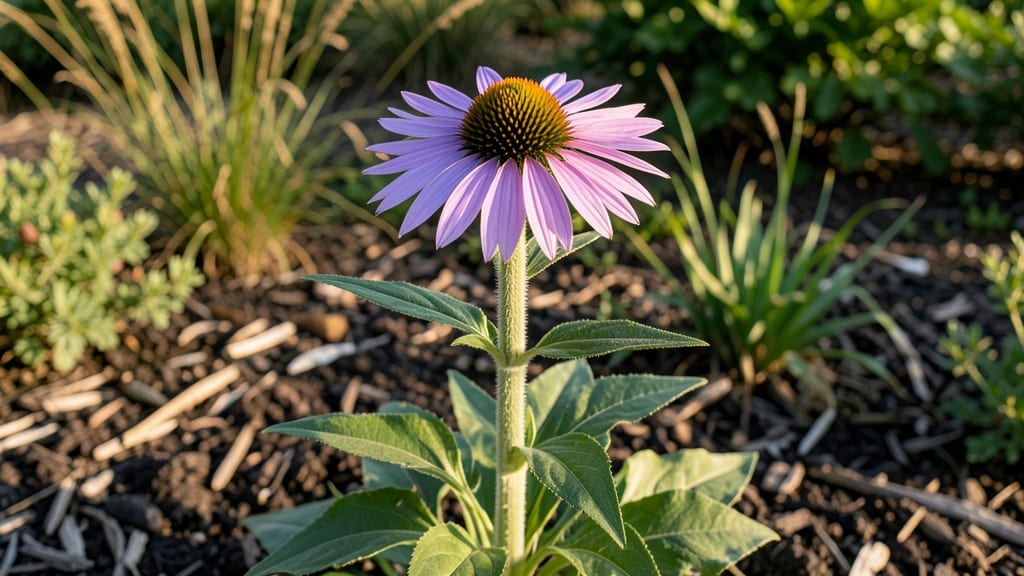
Purple coneflowers bloom in mid-to-late summer 🌸, transforming your garden into a vibrant pollinator paradise—but the exact timing depends on your USDA zone and the variety you’ve planted.
If you’ve ever wondered why your purple coneflower garden seems to explode with color at different times each year, the answer lies in its blooming patterns—shaped by your USDA zone and the specific variety you’ve planted.
In cooler climates like Zone 6a, expect blooms to start in early July, while southern gardens may see flowers as early as June. Varieties like 'Magnus' tend to bloom later and longer, while 'PowWow White' might surprise you with an earlier show.
Below, I’ll break down the best bloom windows by zone, share tips to extend your coneflowers’ season, and suggest companion plants to keep your garden buzzing all summer long.
Purple coneflower blooming seasons by USDA Zone: what to expect
If you’ve ever wondered why your purple coneflowers bloom earlier in Zone 9 than your neighbor in Zone 5, the answer lies in your climate and growing conditions. These hardy perennials thrive across USDA Zones 3-10, but their bloom timing shifts dramatically depending on where you live.
In colder northern zones, expect blooms to start in mid-July, while southern gardeners often see flowers as early as May or June. Understanding these patterns helps you plan your garden for maximum color impact.
The key to predicting bloom times is knowing your last frost date and your zone’s typical summer temperatures. Purple coneflowers (Echinacea purpurea) are long-day plants, meaning they respond to increasing daylight hours. This explains why they bloom later in northern climates where summer arrives more gradually.
In warmer zones, the plants often begin flowering as soon as soil temperatures reach 55°F (13°C), which can happen by early spring.
Here’s what to expect across the USDA zones, including early, peak, and late-season blooms:
| USDA Zone | Early Blooms | Peak Blooms | Late Blooms | Notes |
|---|---|---|---|---|
| Zones 3-4 | Late June | July-August | Early September | Short season; may need mulch for winter protection. |
| Zones 5-6 | Mid-July | August | Late September | Classic mid-summer bloomer; drought-tolerant. |
| Zones 7-8 | June | July-September | October | Longer bloom season; may rebloom with deadheading. |
| Zones 9-10 | May | June-August | September | Early blooms; may overwinter in mild climates. |
In northern zones (3-6), purple coneflowers often wait until July to bloom because cooler springs delay their growth. If you’re in Zone 5, for example, you might see the first buds appear in late June, with peak color in August.
Meanwhile, gardeners in Zones 9-10 can enjoy blooms as early as May, thanks to warmer winters and longer growing seasons. This earlier start also means southern coneflowers may finish blooming by September, while northern plants can linger until early October in mild years.
One of the biggest factors affecting bloom time is daylength. Purple coneflowers are photoperiod-sensitive, meaning they respond to the length of daylight. In shorter-day northern climates, they bloom later when days start shortening.
Conversely, in longer-day southern regions, they may bloom earlier and sometimes even rebloom if conditions are right. To encourage longer blooms, I always deadhead spent flowers in Zones 7-10, which can prompt a second flush of blooms in late summer.
Soil temperature also plays a role. Coneflowers typically won’t bloom until soil reaches 55-60°F (13-16°C). In cooler zones like Zone 4, this might not happen until late June, while in Zone 8, soil warms up by April or May.
If you’re in a transitional zone (like Zone 6bsouth-facing slope will warm up faster than a north-facing bed, causing blooms to appear earlier in sunniest spots.
If you’re planning a pollinator-friendly garden, timing is everything. In Zones 5-7, coneflowers bloom just as butterflies and bees are most active in July and August.
In warmer zones, you can extend the season by planting early-blooming varieties like 'White Swan' alongside late-season types such as 'Magnus'. This creates a continuous nectar source from June through September, keeping your garden buzzing with activity.
For gardeners in <
Top 5 purple coneflower varieties and their unique blooming windows
Not all purple coneflowers bloom at the same time, and some varieties even rebloom later in the season. If you're planning a long-blooming garden, choosing the right Echinacea purpurea varieties can make all the difference.
Each type has its own blooming window, color intensity, and reblooming tendencies—let's explore the top 5!
The 'Magnus' variety is a garden favorite because it blooms earlier than most, typically from June to September. Its deep purple flowers stand out against golden-green foliage, and it often reblooms if you deadhead spent blooms.
This variety thrives in USDA zones 3-9, making it versatile for many climates.
'PowWow White' might not be purple, but its pure white blooms create stunning contrasts. It blooms slightly later, from July to October, and its reblooming habit is even more reliable than 'Magnus.' This variety is perfect if you want extended color into fall and pairs beautifully with deep purples.
'Cheyenne Spirit' is a reblooming powerhouse with vibrant magenta-pink flowers that appear from July through September. What sets it apart is its compact size (18-24 inches tall) and longer vase life, making it ideal for cut flower arrangements or small gardens.
The 'Green Envy' variety offers a unique twist with chartreuse foliage and deep purple blooms. Its blooming window runs from July to October, and it's known for its heat tolerance and drought resistance.
This variety is perfect for xeric gardens or as a focal point in modern landscapes.
Finally, 'White Swan' brings elegant white blooms with pink centers that bloom from July to September. While it doesn't rebloom as prolifically, its disease resistance and long stems make it a favorite for cut flower gardens. This variety is also deer resistant, adding another layer of practicality.
| Variety | Blooming Window | Color | Reblooming? | Height (ft) | Best For |
|---|---|---|---|---|---|
| 'Magnus' | June–September | Deep Purple | Yes | 2–4 | Long-season color |
| 'PowWow White' | July–October | White | Yes | 2–3 | Contrast gardens |
| 'Cheyenne Spirit' | July–September | Magenta-Pink | Yes | 1.5–2 | Cut flowers |
| 'Green Envy' | July–October | Purple | Moderate | 2–3 | Xeric gardens |
| 'White Swan' | July–September | White/Pink | Minimal | 2–3 | Cut flowers |
To maximize your garden's blooming season, mix these varieties for a sequential color display. Start