
Flowers
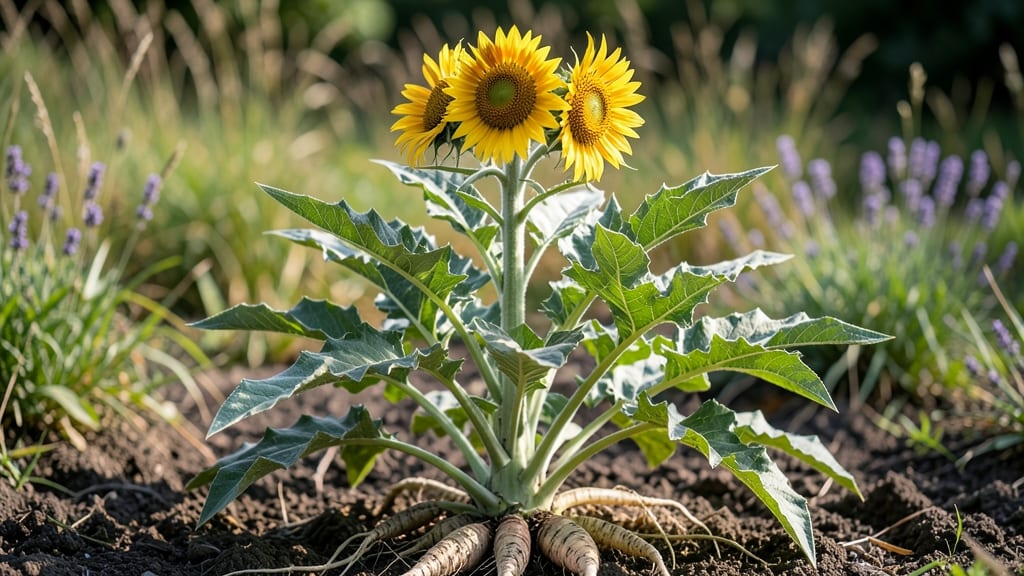
Sunchokes flower in late summer to early fall 🌱, but the exact timing depends on your climate zone and how you’ve nurtured them.
Picture this: you’re eagerly waiting for those telltale purple blooms, only to find your sunchokes still hiding underground—or worse, already producing tubers without a single flower in sight. The secret? Understanding when (and why) they bloom can make all the difference in your harvest.
In cooler regions like USDA Zone 6a, flowering typically kicks off in August or September, while warmer climates may see blooms as early as July. The good news?
Flowering doesn’t ruin your crop—it’s actually a sign your plants are thriving. But timing matters, especially if you’re hoping to save seeds or encourage next year’s growth.
Below, I’ll break down the month-by-month schedule by zone, plus the 5 key signs your sunchokes are ready to bloom—and how to give them the best shot at success.
Sunchoke flowering timeline by USDA climate zones (with key months)
Sunchokes (Jerusalem artichokes) are fascinating perennials that thrive in diverse climates, but their flowering timeline varies dramatically depending on your USDA climate zone.
In cooler zones like 3-5, blooms may appear as late as August or September, while warmer zones 8-10 often see flowers as early as June or July. Understanding these patterns helps you time harvests and encourage robust tuber development.
Flowering marks the end of a sunchoke’s active tuber growth phase. Once those purple-pink blooms appear, the plant shifts energy toward seed production, reducing tuber size. This is why gardeners in Zones 6-9 often harvest tubers before flowering—typically in late summer—to maximize yield.
Let’s break down the key months for each zone.
| USDA Zone | First Blooms | Peak Blooms | Harvest Window | Notes |
|---|---|---|---|---|
| 3-4 | Late July | August-September | September-October | Short growing season; prioritize early harvest. |
| 5-6 | Early July | July-August | August-September | Ideal for two harvests: tubers in August, seeds in fall. |
| 7-8 | June-July | July-September | Late summer | Long bloom season; harvest tubers before peak blooms. |
| 9-10 | May-June | June-August | Summer (June-July) | Early blooms; harvest tubers by June to avoid small tubers. |
In Zones 3-4, where frost lingers later, sunchokes often delay flowering until late July to make the most of the short growing season. This is also when you’ll see the smallest tubers if left unharvested, as the plant focuses on seed production.
If you’re in Zone 4, consider harvesting tubers in September before the first frost hits.
Gardeners in Zones 5-6 enjoy a sweet spot for sunchoke growth. Blooms typically start in early July, giving you a 6-8 week window to harvest tubers before flowering peaks. This zone is perfect for two harvests: tubers in August and seeds in fall.
To encourage larger tubers, avoid harvesting more than 1/3 of the plant in the first year.
Warmer climates like Zones 7-8 see sunchokes flowering as early as June, with peak blooms stretching into September. The key here is to harvest tubers by late July to prevent the plant from shifting energy to flowers.
In these zones, sunchokes can also bolt early if stressed by drought or poor soil, so consistent moisture and mulch are critical.
For those in Zones 9-10, sunchokes may flower as early as May, making tuber harvest a race against time. If you miss the window, tubers will be small and underdeveloped.
To extend the harvest season, plant in fall (October-November) for a spring harvest before flowering begins. These zones also support year-round growth with minimal dormancy.
Regardless of your zone, the pre-flowering growth phase is when sunchokes build their edible tubers. This phase lasts 60-90 days after planting, depending on warmth. To maximize tuber size, ensure your plants get full sun (6+ hours) and well-draining soil.
Overcrowding also delays flowering, so space tubers 12-18 inches apart at planting.
One common mistake is assuming sunchokes will flower every year. In colder zones (3-5), they may skip flowering entirely if the season is too short. In these cases, focus on harvesting tubers in fall and leaving some in the ground to regrow next year.
For zones with reliable blooms, saving seeds from healthy flowers ensures strong plants in subsequent seasons.
If you’re new to growing sunchokes, start small with 3-5 tubers
5 Signs your sunchokes are ready to flower (and how to encourage it)
Sunchokes (Jerusalem artichokes) are famous for their striking purple blooms, but spotting the right moment to expect them can be tricky. These perennials often focus on tuber production in their first year, delaying flowers until they've stored enough energy.
Understanding the visual and environmental cues can help you predict—and even encourage—those vibrant summer displays.
Flowering typically occurs in late summer to early fall, but the exact timing depends on your climate zone and growing conditions.
In warmer regions like USDA Zone 8-10, blooms may appear as early as July, while cooler zones (Zone 3-5) might see flowers in August or September. The key is recognizing the pre-flowering growth signals well before the buds appear.
5 Signs Your Sunchokes Are Ready to Flower
- 🌿 Leaf Size: Mature leaves reach 12-18 inches long with broad, heart-shaped blades. Younger foliage is smaller and more delicate.
- 🌡️ Soil Temperature: Soil stays above 60°F (15°C) for 3+ weeks, signaling ideal conditions for flowering.
- 🌱 Stalk Thickness: Central stems grow 1-2 inches in diameter and develop a woody texture near the base.
- ☀️ Sunlight Exposure: Plants receive 6+ hours of direct sun daily, with leaves facing south or west for optimal energy.
- 🌻 Bud Formation: Small, greenish-purple buds appear in leaf axils (where leaves meet stems) about 2-3 weeks before blooming.
To encourage flowering, prioritize consistent moisture—especially during dry spells. Sunchokes need 1-1.5 inches of water weekly, but avoid overwatering, which can dilute energy reserves needed for blooms. Morning watering is ideal to prevent fungal issues and ensure roots absorb nutrients efficiently.
Adjust your fertilizer strategy to support flowering. In spring and early summer, use a balanced 10-10-10 fertilizer to promote foliage growth. However, reduce nitrogen in late summer to shift energy toward flower and tuber production. A light application of phosphate-rich fertilizer (like 5-10-10) can boost bloom development.
Harvesting tubers too early can halt flowering for the season. If you need tubers, wait until after the first frost or when foliage yellows and dies back. This ensures the plant has completed its energy cycle and can rebloom next year.
For established plants, leave some tubers in the ground to replenish soil fertility and encourage future blooms.
Finally, prune back dead foliage in late fall to protect tubers from frost and reduce disease risk. This simple step helps sunchokes store energy underground, setting the stage for vibrant blooms the following summer.
With the right care, your sunchokes will reward you with stunning purple spires year after year!