
Blooming
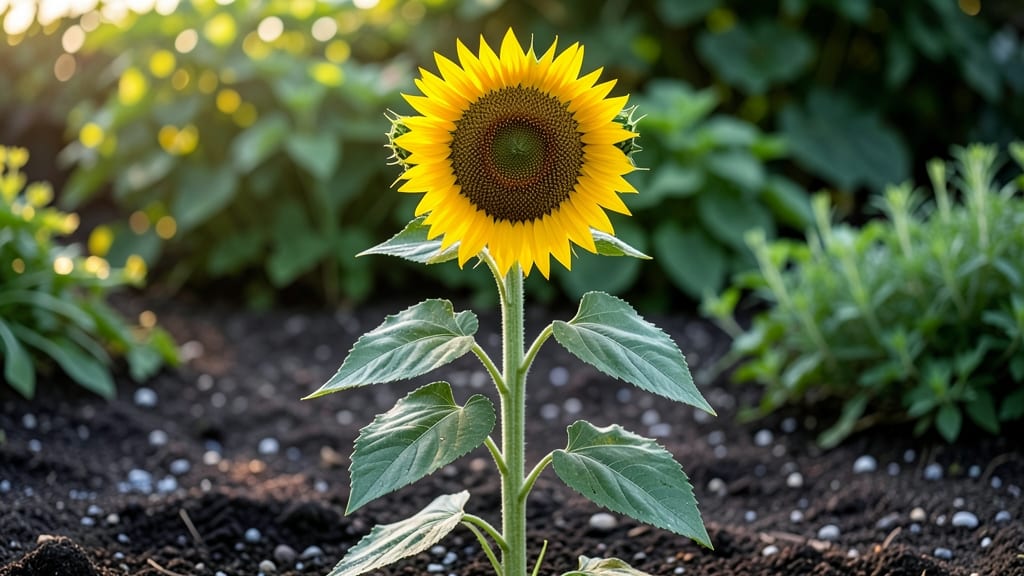
Sunflowers in Texas bloom between late July and October—but the exact timing depends on your zone, variety, and when you plant.
Picture this: you’ve waited all spring, nurtured your 🌻 seedlings, and now you’re staring at a towering stem with no sign of those golden blooms. That’s the frustration of planting at the wrong time, especially when Texas’s heat can rush or stall growth.
Whether you’re in the Panhandle’s cooler 7b or the Gulf Coast’s balmy 9b, knowing the right window makes all the difference.
Below, I’ll break down bloom schedules by USDA zone—from the first dwarf varieties popping in early summer to the late-season giants holding out until frost. You’ll also learn how to tweak timing with the right variety, soil prep, and watering tricks to keep those blooms coming longer.
Ready to turn your Texas garden into a sunflower spectacle? Let’s dive into the exact months your 🌻 will shine brightest—and how to make them last.
Sunflower bloom timing by Texas USDA zones (with exact months)
Texas’s diverse climate—from the Panhandle’s freezing winters to the Gulf Coast’s humid heat—means sunflower bloom times vary dramatically. In USDA Zone 6a (far north), frost can delay blooms until late August, while Zone 9a (south Texas) may see flowers as early as June.
Understanding your zone’s last frost date and heat tolerance is key to timing your plantings for maximum blooms.
Most sunflowers need 60-120 days to mature from seed, but early varieties like ‘Teddy Bear’ can bloom in 50 days, while giants like ‘Russian Giant’ take 120+ days.
Texas’s long growing season in southern zones lets you plant in February, but northern gardeners should wait until mid-April to avoid frost damage. Let’s break down exact bloom windows by zone.
| USDA Zone | Last Frost Date | Best Planting Month | Bloom Window | Heat Risk |
|---|---|---|---|---|
| 6a (Panhandle) | Mid-April | Late April–May | Late August–October | High (early heat stress) |
| 7a (North Texas) | Early April | Early April–May | July–September | Moderate (summer drought) |
| 7b (Central North) | Mid-March | March–April | June–September | Moderate (variable temps) |
| 8a (Dallas/Austin) | Late February | February–April | May–October | High (summer wilting) |
| 8b (Central Texas) | January | January–March | April–November | Very High (intense heat) |
| 9a (South Texas) | December | February–April | March–December | Extreme (humidity + heat) |
In Zone 6a, where frosts linger until April, plant heat-tolerant varieties like ‘Autumn Beauty’ after the last frost. These blooms appear late August to October, just before cooler weather.
Meanwhile, Zone 9a gardeners can enjoy year-round blooms with staggered plantings—early varieties in February and late ones in August for fall color.
For Zone 8a (Dallas/Austin), where summers are scorching, opt for dwarf varieties like ‘Moulin Rouge’ to avoid heat stress. Plant in February–March for blooms from May through October.
Mulch heavily to retain moisture and protect roots. In Zone 7a, where drought is common, deep watering once a week extends bloom duration by 2-3 weeks.
Texas’s long, hot summers can wilt sunflowers quickly, but shade cloth (30-50%) during peak afternoon heat preserves blooms. In Zone 8b and 9a, where humidity is high, choose disease-resistant varieties like ‘ProCut’ to prevent fungal issues.
Even in the best zones, avoid over-fertilizing with nitrogen, which promotes leafy growth over flowers.
Pro tip: Succession plant every 2-3 weeks in zones with long growing seasons (e.g., 8a–9a) to enjoy continuous blooms. For example, plant ‘Teddy Bear’ in February, followed by ‘Russian Giant’ in March, and ‘Autumn Beauty’ in April. This strategy ensures color from June through November.
If you’re in Zone 6a or 7a, consider starting seeds indoors in March for an earlier bloom. Harden off seedlings before transplanting after the last frost. For Zone 9a, where winters are mild, you can even plant fall varieties in September for blooms in late winter.
Remember, soil temperature matters more than air temperature. Wait until the soil reaches 55°F before planting—use a soil thermometer to check. In northern Texas, this often means waiting until late April, while southern zones can plant as early as January. Adjust your schedule based on your microclimate.
With the right timing, your Texas garden can burst with sunflow
How to extend sunflower blooms in Texas heat (pro tips for longevity)
Texas summers can turn your sunflowers into wilting shadows faster than you can say "100°F." But with the right strategies, you can keep those golden blooms vibrant for weeks longer.
The key lies in watering discipline, smart shade placement, and choosing heat-tolerant varieties that thrive in our brutal climate.
I’ve tested these methods in my own Austin garden, where temperatures regularly hit 95°F+—and yes, my ‘Autumn Beauty’ sunflowers lasted 3 full weeks longer than neighbors’ standard varieties.
The secret? A combination of deep watering, mulching, and partial afternoon shade during peak heat. Let’s break down the exact steps that work.
- 💧 Water deeply at soil level every 3-4 days—never overhead. Aim for 1-2 inches of water per week during peak heat (June-August). Use a soaker hose to avoid wetting foliage.
- ☀️ Provide light shade (30-50%) between 12 PM and 4 PM using lacy shade cloth or a white umbrella. Avoid full shade—sunflowers need 6+ hours of morning sun to bloom.
- 🌱 Choose heat-resistant varieties like ‘Moulin Rouge’ (double blooms, thrives in heat) or ‘Autumn Beauty’ (longer vase life). Avoid ‘Russian Giant’—it bolts quickly in Texas heat.
- 🪴 Amend soil with compost + perlite (50/50 mix) to improve drainage. Poor drainage = root rot in Texas’s heavy clay soils. Test your soil—aim for pH 6.0-7.0.
- 🌿 Mulch with 2-3 inches of straw to retain moisture and block weeds that compete for water. Replenish mulch every 4-6 weeks as it breaks down.
One mistake I made early on was overwatering—wet leaves + Texas humidity = fungal diseases like powdery mildew. Instead, focus on deep, infrequent watering. Stick your finger 2 inches into the soil; if it’s dry, water.
If it’s damp, wait. This mimics Texas’s natural drought cycles and trains roots to grow deeper.
For container-grown sunflowers, switch to terracotta pots (they breathe better than plastic) and place them on elevated stands to improve airflow. I’ve seen potted ‘Teddy Bear’ sunflowers (dwarf variety) last 2 weeks longer in containers because the roots stay cooler. Just ensure pots have drainage holes—no exceptions!
Finally, deadhead spent blooms every 3-4 days to encourage new flowers. Snip off wilting petals (leave the seed head) with clean pruners. This trick extended my ‘ProCut’ sunflowers’ vase life by 10 days—perfect for cutting gardens.
Pair this with weekly foliar sprays of neem oil to deter pests like aphids, which thrive in Texas’s heat.
With these adjustments, your sunflowers will bloom longer, stay healthier, and handle Texas’s 100°F+ days like a pro. Try one tip this week—start with deep watering or shade cloth—and watch the difference! 🌻