
Blooming
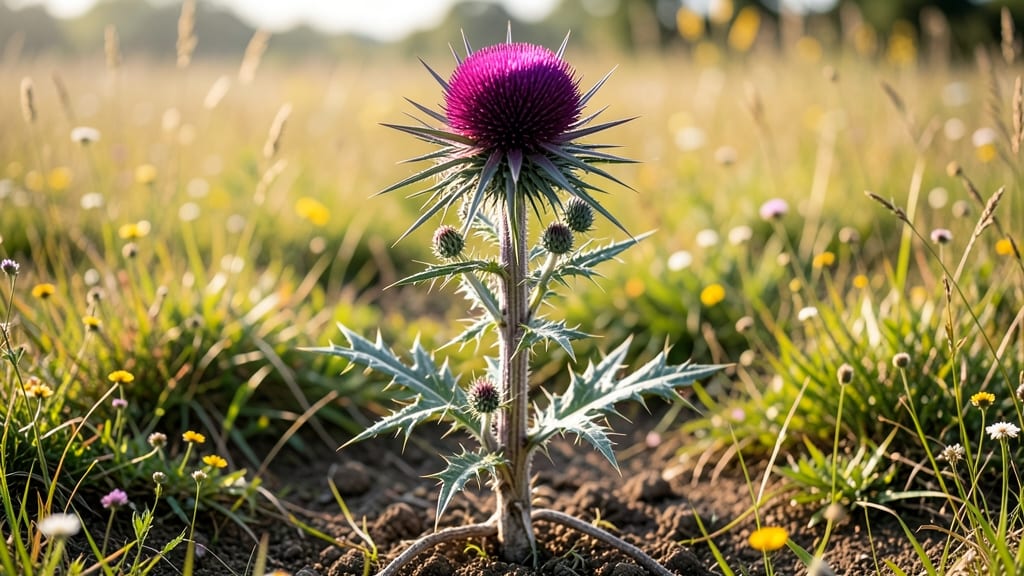
Thistles flower in late summer to fall, depending on your region and the species—like Scotch thistle or globe thistle—turning your yard into a spiky purple spectacle.
Wondering why your yard suddenly looks like a medieval fortress with spiky thistle blooms? These hardy plants follow a surprisingly predictable schedule—one that varies dramatically by climate zone. Knowing their flowering seasons helps you control them before they dominate your garden.
In cooler zones like USDA 6a, thistles often bloom in August or September, while warmer areas may see flowers as late as October or November. Altitude and soil drainage also play a role, so what blooms early in the mountains might linger later in the lowlands.
Below, I break down the exact months for your area, how to spot blooms before they spread, and the best times to remove them—so you can enjoy your garden without the prickly takeover.
Thistle flowering calendar by U.s. climate Zones
Thistles thrive across the U.S., but their flowering seasons shift dramatically depending on your USDA zone. In colder Zones 3-5, expect blooms as early as June, while Zones 8-10 see late-summer displays from August through October.
Understanding these patterns helps you time removal efforts before seed production peaks.
Three common thistles dominate U.S. landscapes: Canada thistle (Cirsium arvense), bull thistle (Cirsium vulgare), and musk thistle (Carduus nutans). Each has slight timing variations—Canada thistle often blooms 2-3 weeks earlier than its spiky cousins.
Altitude also plays a role, with mountain regions delaying blooms by 1-2 weeks compared to valley floors.
Here’s your month-by-month guide to thistle blooms by zone, including regional adjustments for Pacific Northwest, Southeast, and Mountain West areas:
| Zone | Canada Thistle | Bull Thistle | Musk Thistle | Notes |
|---|---|---|---|---|
| 3-5 | June–July | July–August | August–September | Early blooms; frost risk in Sept. |
| 6-7 | June–August | July–September | August–October | Overlap with goldenrod blooms. |
| 8-9 | July–September | August–November | September–December | Extended season; mild winters. |
| 10 | August–October | September–December | October–January | Year-round potential in frost-free areas. |
In the Pacific Northwest, expect musk thistles to bloom 3-4 weeks later than inland areas due to cooler temperatures. Meanwhile, the Southeast sees bull thistles flowering as early as May in Zone 8, thanks to warmer winters.
Always scout your yard in late May—this is when Canada thistle often sends up its first purple flower spikes.
Thistles in arid regions (like Zone 7b in Arizona) may delay blooming until late July to conserve moisture. Conversely, irrigated landscapes in California’s Central Valley can trigger earlier blooms by 2-3 weeks.
If you’re battling thistles near water sources, watch for June blooms—this is when they’ll produce the most seeds.
Pro tip: Mark your calendar for late August in Zones 6-9. This is peak seed production for all three thistle types. Removing plants before August 15th can cut seed output by up to 70%.
For organic control, smother young shoots in cardboard or black plastic starting in April—this blocks sunlight and halts flowering entirely.
Thistles also follow a diurnal pattern: flowers open in the morning (around 8 AM) and close by noon
How to identify thistle blooms before they spread
Spotting thistle blooms early can save your garden from an invasive takeover. These plants start small but grow into towering spiky weeds with distinctive flower spikes. The key is recognizing their unique features before they release thousands of seeds that spread via wind and wildlife.
Thistles typically bloom between mid-summer and fall, but their early growth stages often go unnoticed. By learning to identify young thistle plants by their leaf shape and stem texture, you can pull them before they mature.
This proactive approach prevents seed production and saves you hours of weeding later.
- 1. Leaf Arrangement: Look for deeply lobed leaves arranged in a rosette pattern at the base. Young thistles have spiny margins that distinguish them from other weeds.
- 2. Stem Texture: Check for hairy, ridged stems that develop as the plant matures. Early stems are green with fine prickles along the edges.
- 3. Flower Buds: Watch for tight purple or pink buds forming at the top of stems. These appear 4-6 weeks before blooming in most regions.
- 4. Root System: Dig carefully to spot deep taproots that anchor the plant. Thistles develop extensive root networks that make them hard to remove once established.
Don’t wait until you see fully open thistle flowers—by then, the plant has already set seeds. The purple or pink blooms resemble globe-shaped clusters and attract bees, which help disperse seeds. Removing plants with flower buds (but no open blooms) is your best defense.
Pay special attention to disturbed soil areas, like garden beds or newly tilled ground, where thistles thrive. They often appear after wildfires, construction, or heavy rain, taking advantage of open spaces. A quick scan for spiky rosettes can prevent a full-blown infestation.
If you find thistles near wildlife habitats, act fast—they’re a favorite food for goldfinches and other birds, which spread seeds far and wide. Even a single plant can produce up to 10,000 seeds, so early removal is critical.
Use gloves and long sleeves to protect yourself from the prickly stems.
For maximum effectiveness, combine visual identification with regular garden walks. Check high-risk areas weekly during growing season (April through October in most zones). The sooner you spot them, the easier they are to pull by hand or treat with vinegar-based herbicides for organic control.