
Fertilization
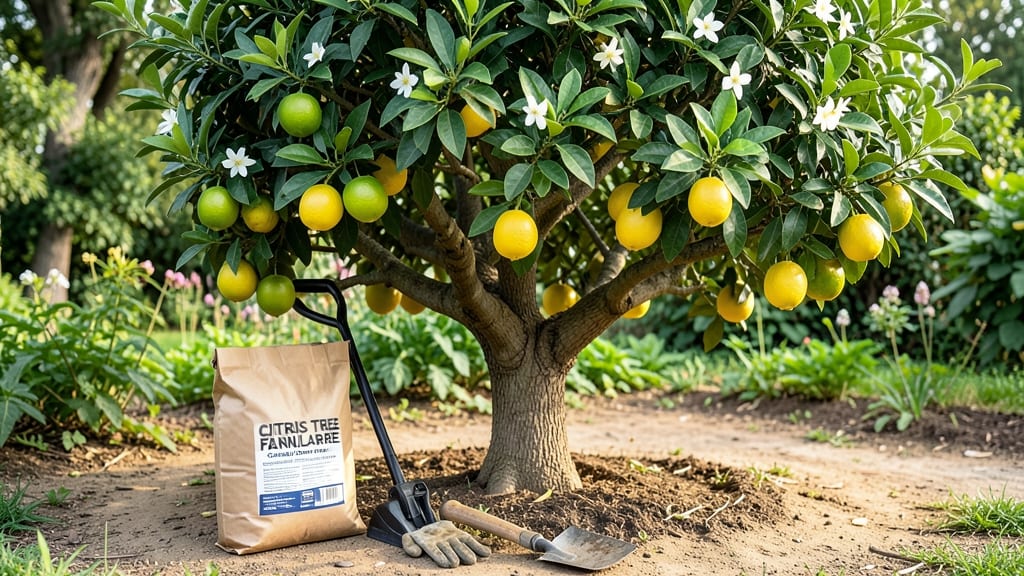
Fertilizing citrus trees in Arizona at the right time is the key to bountiful fruit and healthy growth—because skipping those critical windows can leave your 🍊 trees struggling even in our perfect climate.
Picture this: your lemon tree is loaded with blossoms, but the fruit never quite ripens. Or worse, your orange tree’s leaves turn yellow and drop mid-summer. These are classic signs of fertilization timing gone wrong—and they’re avoidable with a simple schedule tailored to Arizona’s unique growing seasons.
Most gardeners know citrus trees love our warm winters and dry heat, but what they don’t realize is that spring and early fall are the only times to feed them. Too much fertilizer in summer burns roots, while winter dormancy means nutrients just sit unused in the soil.
I’ll walk you through the exact months to fertilize, what types work best for Arizona’s alkaline soil, and how to spot when your tree is begging for more (or needs a break).
By the end, you’ll know not just when to fertilize, but how much, which fertilizers to trust, and even how to read your tree’s leaves like a pro. Let’s get your citrus thriving—without the guesswork.
Optimal fertilization schedule for Arizona citrus trees: spring & fall timing explained
Arizona’s citrus trees thrive year-round thanks to our mild winters and sun-drenched skies, but fertilization timing is everything. The spring and fall windows align perfectly with your tree’s natural growth cycles—boosting blooms in spring and storing nutrients for winter resilience.
Skip summer fertilization entirely, as the heat stresses roots, and winter’s dormancy means no uptake. Let’s dive into the science behind why these seasons matter most.
Citrus trees in Arizona’s USDA zones 9b-11 experience two critical growth phases: active growth in spring and early fall, and dormancy in summer’s peak heat and winter’s cooler months. Fertilizing during active growth fuels foliage and fruit production, while fall applications prepare roots for winter.
Arizona’s low humidity and intense sun also mean nutrients dry out faster—so timing and technique matter just as much as what you use.
Why spring and fall? Spring fertilization (late February to March) coincides with new leaf flush and bloom initiation, while fall (early October) recharges roots before cooler temps. Summer’s 100°F+ days shut down nutrient uptake, and winter’s reduced growth means wasted fertilizer. This schedule mirrors citrus trees’ natural rhythms—just like how we prune in late winter to encourage spring growth.
| Season | Fertilization Window | Key Growth Phase | Arizona Climate Note |
|---|---|---|---|
| Spring | Late Feb – Early April | New leaf flush, bloom initiation | Temps rise to 80–95°F; water deeply |
| Summer | Skip entirely (May–Aug) | Dormancy/stress response | 100°F+ shuts down root uptake |
| Fall | Early Oct only | Root recharge for winter | Temps drop to 70–85°F; light feed |
| Winter | Skip entirely (Nov–Jan) | Dormancy period | Cool nights (50–60°F) slow growth |
For spring fertilization, aim for late February to early April when your tree breaks dormancy. This aligns with Arizona’s warming trends—temperatures climb from 60°F nights to 90°F days, signaling it’s time to feed.
Use a balanced fertilizer (like 6-6-6) to support leaf growth and fruit development. Pro tip: Split applications into two doses—once at bloom and again when fruit sets—to avoid overloading roots.
Fall fertilization is often overlooked, but a light application in early October is your tree’s insurance policy for winter. As days shorten and temps dip, roots stockpile nutrients for spring’s growth surge.
Think of it like storing firewood before winter—your tree’s roots need energy to survive Arizona’s occasional chilly snaps (even in zone 10!). Use half the spring dose and focus on micronutrients like iron and zinc, which prevent yellowing leaves in citrus.
Summer fertilization is a no-go—ever wondered why your citrus tree looks stressed in July? That’s because 100°F+ soil temps halt nutrient uptake, and fertilizing forces roots to work harder, burning them instead. I’ve seen browned leaf edges and dropped fruit from summer feeding—don’t make that mistake! Instead, mulch heavily (3–4 inches of wood chips) to keep roots cool and conserve moisture. This mimics Arizona’s natural monsoon shade and protects your tree’s energy for fall.
Winter’s dormancy phase (November–January) is your tree’s reset button. Skip fertilization entirely—roots aren’t active, and excess nutrients can leach into soil or even burn tender roots. Instead, focus on light pruning to improve airflow and water sparingly (every 2–3 weeks).
If your tree is container-grown, move it to a sheltered spot during rare cold snaps (below 30°F) to prevent frost damage.
Aligning fertilization with citrus growth cycles isn’t just theory—it’s proven science. Trees in Arizona’s low-desert areas (like Tucson) grow 30% faster with this schedule than those fertilized year-round. The key is matching inputs to outputs: feed when leaves and fruit are
Best fertilizers for Arizona citrus trees: types, ratios, and application tips
Arizona’s alkaline soil and intense sun demand the right fertilizer choices for citrus trees. Organic options like composted manure or citrus-specific blends rebuild soil health, while synthetic NPK fertilizers deliver quick nutrient boosts. The key? Matching your fertilizer to your tree’s growth stage and Arizona’s drought-prone conditions.
For young citrus trees, focus on nitrogen-rich fertilizers (like 10-10-10) to fuel leaf and root growth. Mature trees need balanced NPK ratios (6-6-6 or 8-3-9) with extra micronutrients like zinc and iron. Avoid high-phosphorus fertilizers—citrus trees thrive in low-phosphorus soil, and excess can harm roots.
🌱
Organic vs. Synthetic Fertilizers for Arizona Citrus
- Pros: Improves soil structure, slow-release nutrients, pest-deterrent
- Cons: Requires frequent applications, slower results
- Pros: Fast nutrient delivery, precise NPK ratios, cost-effective
- Cons: Can burn roots if overapplied, no soil benefits
💡 Pro Tip: Mix organic (like alfalfa meal) with synthetic (like citrus fertilizer) for balanced growth.
When applying fertilizer, water deeply first to push nutrients into the soil. Spread fertilizer 6-12 inches from the tree trunk (never touch the trunk) and lightly scratch into the soil to prevent runoff.
In Arizona’s heat, always fertilize in the early morning or late afternoon to avoid root burn from evaporation.
Watch for fertilizer burn signs: yellowing leaves, crispy leaf edges, or wilting. If you see these, flush the soil with water immediately and reduce future doses. For container-grown citrus, use half the recommended dose—containers dry out faster, concentrating salts.
🪴
For micronutrient deficiencies (like yellowing between leaf veins), use chelated iron or Epsom salt (magnesium sulfate). Test your soil every 2-3 years—Arizona’s alkaline soil often lacks zinc and manganese. Adjust your fertilizer blend based on test results to keep your citrus trees productive and pest-free.