
Flowers
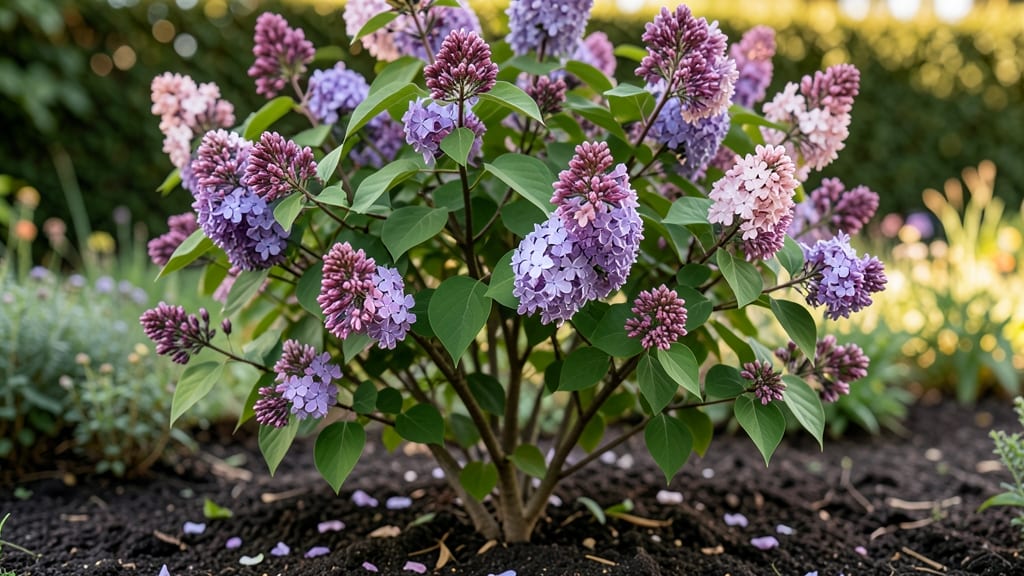
Lilacs flower in late spring, typically between April and May in most of the U.S., though the exact timing depends on your zone and the variety 🌸.
If you’ve ever wondered why your lilac bush seems to bloom at the wrong time—or why your neighbor’s flowers appear weeks earlier—USDA zone and variety play a bigger role than you might think.
In colder regions like Zone 6a, lilacs often wait until late April or early May, while warmer climates in Zone 8 might see blooms as early as March. Some varieties, like 'Dwarf Korean,' are early bloomers, while others, like 'Katherine Havemeyer,' peak in mid-May.
With the right care—like pruning after flowering and ensuring full sun—you can encourage your lilacs to burst into fragrant blooms right when you expect them, turning your garden into a springtime showcase.
Lilac flowering months by USDA Zone: exact timelines for your region
Lilacs are one of the most beloved spring shrubs, but their blooming windows vary dramatically depending on your USDA zone and the specific variety you grow.
In colder northern zones like Zone 3, lilacs often burst into bloom as early as late April, while southern zones like Zone 9 may see flowers appearing as late as mid-June. These differences are influenced by chill hours, frost dates, and even soil conditions.
Understanding your zone’s typical last frost date is crucial—late frosts can delay blooms in Zone 4 and Zone 5, while heat-sensitive varieties in Zone 8 or Zone 9 may struggle with early summer heat.
For example, my Katherine Havemeyer lilac in Zone 5b blooms reliably in early May, but a Dwarf Korean in Zone 7a might flower weeks earlier.
Here’s a breakdown of when to expect lilac flowers based on your region, including cold-hardy and heat-sensitive varieties:
In Zone 3 and Zone 4, lilacs rely on chill hours (300–1,000 hours below 45°F) to trigger blooming. If winters are too mild, buds may fail to set properly. Meanwhile, Zone 8 and Zone 9 varieties often bloom later because they need to avoid early summer
Top 5 lilac varieties and their unique blooming windows
Not all lilacs bloom at the same time—some burst into color weeks before others, while a few even rebloom later in the season. If you're planning your garden's fragrant focal points, choosing the right varieties can create a staggered display from early spring to summer.
Each cultivar has its own blooming window, fragrance intensity, and even reblooming tendencies.
For example, the 'Miss Kim' lilac starts its show as early as April in Zone 5, while the classic 'Katherine Havemeyer' waits until late May.
Understanding these differences lets you design a garden that smells like a perfume shop all season long. Let's explore the top performers and their ideal bloom times.
The 'Miss Kim' lilac is a compact powerhouse that blooms 2-3 weeks earlier than traditional varieties, making it perfect for early spring gardens. Its vibrant purple flowers and intense fragrance create a dramatic entrance to the season.
This dwarf variety reaches only 3-4 feet tall, making it ideal for small spaces or container gardening.
For a mid-season showstopper, 'Katherine Havemeyer' delivers large, fragrant blooms in deep purple that appear late May to early June. This standard-sized lilac (8-12 feet) provides heavy fragrance that fills the air on warm evenings.
Its reblooming tendency means you might catch a second flush of flowers in late summer if pruned correctly.
'Dwarf Korean' lilacs are early bloomers with delicate lavender flowers that appear April through May. Their compact size (3-5 feet) and prolonged bloom time make them excellent for border plantings. Unlike many lilacs, they don't require heavy pruning, making them low-maintenance stars for busy gardeners.
If you want extended season interest, 'Bloomerang' lilacs are reblooming champions. After their initial June bloom, they produce secondary flowers in late summer if deadheaded regularly. Their vibrant purple-pink blooms and strong fragrance make them a garden favorite for those who love long-lasting color.
For late-season drama, 'Edith' lilacs bloom June through July with pale pink flowers that contrast beautifully with deep green foliage. This heat-tolerant variety thrives in southern climates and provides fragrance when other lilacs have faded. Its upright growth habit makes it perfect for background plantings.
To maximize your lilac's blooming potential, plant varieties with staggered bloom times throughout your garden. Combine early bloomers like 'Miss Kim' with late-season performers like 'Edith' for a continuous fragrance festival from April through July. 🌸