
Flowers
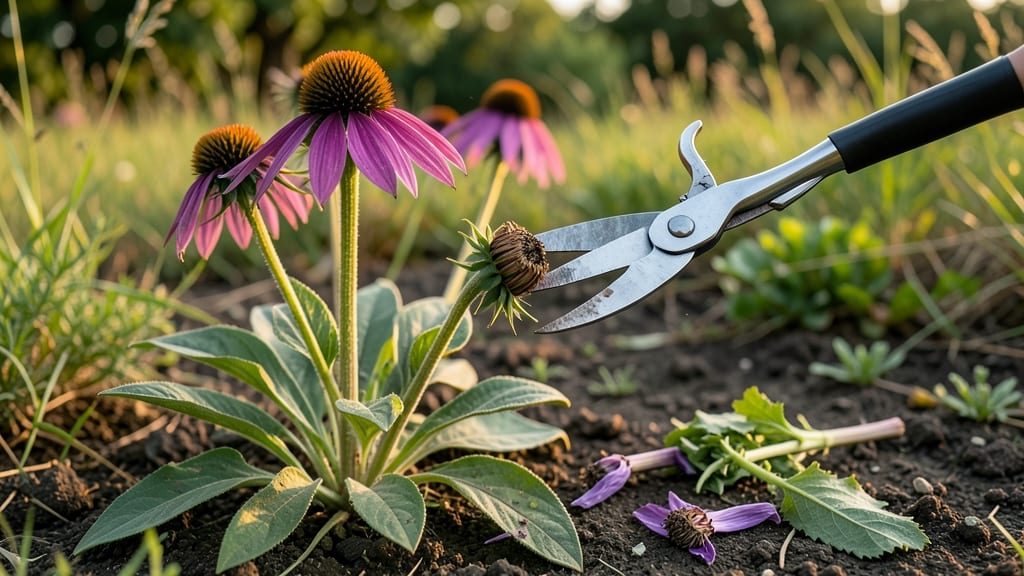
To cut back coneflowers at the right time ensures stronger blooms and healthier plants — aim for late winter or early spring before new growth starts.
Struggling to decide when to trim your coneflowers? Cutting them back at the wrong time can weaken next year’s blooms—or even harm your plants. The key is timing: too early and you risk frost damage; too late and you stifle regrowth.
I’ll show you the exact window and step-by-step method to revive your 🌼 coneflowers for a showstopping summer display.
Most gardeners wait until after the last frost—typically late February to early March in USDA Zone 6a—when the ground thaws but before fresh shoots appear. This timing prevents disease and gives your plants a head start.
But what if you missed the window? Don’t worry—I’ll cover adjustments for different climates and whether to leave seed heads for wildlife or winter interest.
Inside, you’ll discover the science-backed window for pruning, how to sanitize your tools, and what to expect as your coneflowers bounce back. Ready to transform last year’s leggy stems into next summer’s vibrant blooms?
Best late winter timing for cutting back coneflowers
Timing is everything when it comes to pruning coneflowers (Echinacea). Cutting them back too early exposes tender new growth to late frosts, while waiting too long risks disease buildup in dead foliage.
The sweet spot is late winter—when dormant plants have survived the coldest months but before spring regrowth begins.
In most USDA Zones 4-9, aim for late February to early March. This window aligns with when daylight increases and soil temperatures begin to rise, signaling your coneflowers it’s time to wake up.
For warmer climates (Zones 9-10), you can push this slightly later into March to avoid humidity-related diseases.
Here’s why this timing works: Cutting back in late winter removes last season’s dead foliage before fungal spores have a chance to spread. It also clears space for new shoots to emerge unobstructed, giving your plants a head start on the growing season.
Plus, the fresh air circulation from pruning reduces pest habitats like slugs and snails.
Adjust your timing based on local frost dates. If your area experiences unpredictable late frosts, err on the side of waiting until mid-March. Check your coneflower’s foliage—if it’s still crispy and brown, it’s safe to prune.
But if you see green shoots at the base, hold off for 2-3 weeks to avoid damaging new growth.
Another pro tip: Leave seed heads until after pruning if you want to support wildlife like birds and bees. These dried blooms provide winter food sources and add textural interest to your garden. Only remove them if they’re moldy or diseased, which is rare in healthy coneflowers.
For container-grown coneflowers, timing is even more critical. Pots heat up faster in spring, so prune them 1-2 weeks earlier than in-ground plants. This prevents root rot from excess moisture trapped in the compacted soil of containers. Always use sterilized pruners to avoid spreading soil-borne pathogens.
After pruning, mulch around the base with 2-3 inches of organic mulch (like shredded bark or straw). This insulates roots from temperature swings and retains moisture as new growth emerges. Avoid piling mulch directly against stems, as this can cause rot.
Watch for new shoots in 4-6 weeks after pruning. If your coneflowers don’t regrow by late April, they may need extra sunlight or soil amendments. A light balanced fertilizer (5-10-10) applied in early May can give them a growth boost before summer blooming season.
Remember, consistency is key. Pruning coneflowers at the same time each year trains them to bloom reliably and stay disease-free. Mark your calendar for late February to early March and make it a spring ritual—your garden (and your coneflowers) will thank you! 🌼
Step-by-step guide: how to prune coneflowers correctly
Pruning coneflowers (Echinacea) correctly ensures vibrant blooms next season while preventing disease. Start by removing dead foliage and old flower heads—but timing and technique matter. I’ll walk you through each step, including how to sanitize tools and avoid common mistakes that weaken your plants.
First, gather your tools: sharp pruners, clean gloves, and a bucket of rubbing alcohol (70% or higher). Coneflowers are hardy, but dirty tools spread fungal spores and bacteria. Always sanitize blades before and after pruning to protect your garden’s health.
Next, identify what to cut. Look for brown, crispy leaves and dried flower heads. These signal the plant’s dormant phase. Leave green stems—they’re still alive and storing energy for spring growth. Never cut into live tissue, or you’ll stunt regrowth.
⚠️ callout-warning
Cutting coneflowers too early (fall) or too late (spring after new shoots appear) harms regrowth. The ideal window is late February to early March in most zones (USDA 5-9). Adjust for frost: prune after the last hard freeze but before buds swell. Never prune in winter—frozen stems tear easily.
🌡️ Pro Tip: Wait until soil temps rise above 40°F to avoid shocking roots.
Begin by cutting back dead foliage to 2-3 inches above the ground. Use clean, sharp pruners to make angled cuts just above a leaf node. This encourages new shoots to emerge from the base. For woody stems, trim them down to the ground—they won’t regrow anyway.
Remove old flower heads by snipping them off at the base. These dried blooms can harbor pests and diseases. If you’re leaving seed heads for winter interest or wildlife, save a few—but remove most to redirect the plant’s energy into next year’s buds.
Never leave moldy or rotting heads.
Avoid these common mistakes: cutting into green stems, leaving ragged edges, or pruning after rain (soil sticks to tools and spreads pathogens). Also, don’t over-prune—coneflowers regrow from their root crown, so leave at least half the plant intact.
Mulch lightly after pruning to protect new growth.
After pruning, water deeply to help roots recover. Add a light layer of compost around the base to replenish nutrients. Watch for new shoots in 4-6 weeks—they’ll signal successful regrowth. If no growth appears by late April, check for root rot or pests and adjust your care routine.