
Flowers
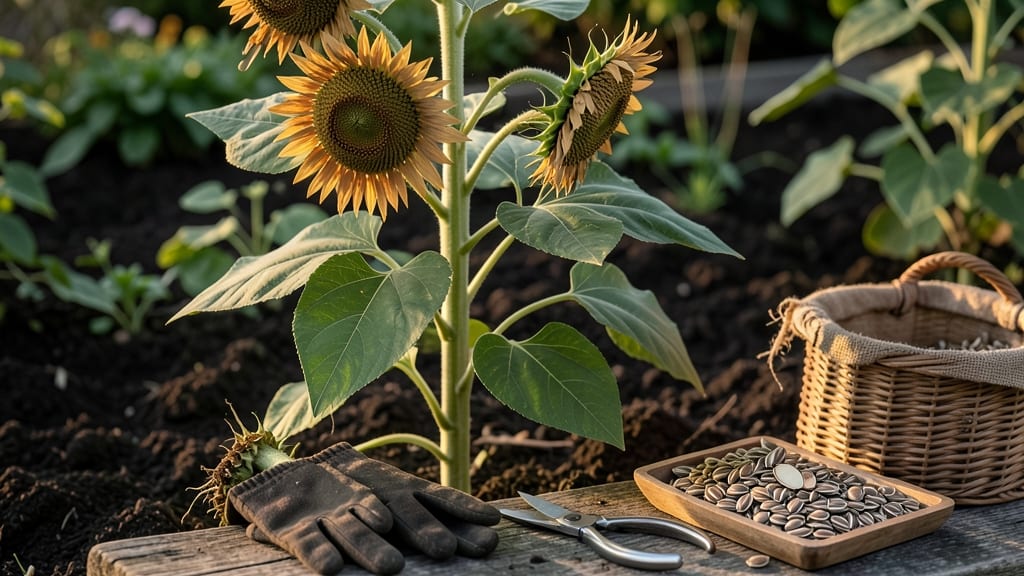
Harvest sunflowers when the back of the head turns yellow-brown and the petals droop 🌻—wait too long, and birds will beat you to the seeds.
Picture this: you’ve spent months nurturing your towering 🌻 sunflowers, only to wake up one morning and find half the heads stripped bare by hungry birds. That’s the risk when you miss the harvest window.
The good news? There are clear signs to catch them at peak maturity, ensuring you get the most seeds for snacking, planting, or selling.
Timing is everything—too early, and the seeds won’t be fully developed; too late, and they’ll shatter or sprout in the head. Below, I’ll walk you through the key visual cues, from seed color to leaf patterns, so you can harvest at the perfect moment and outsmart those feathered thieves.
You’ll also learn how to test seed readiness with a simple knife trick, when to adjust for your USDA Zone 6a climate, and how to store your harvest to keep it fresh for months. Let’s get those sunflowers picked at their prime!

How to determine sunflower seed maturity for perfect harvest timing
Sunflowers reach their peak seed maturity between 100-120 days after planting, but knowing exactly when to harvest can mean the difference between plump, nutritious seeds and shriveled disappointments.
The key lies in observing subtle but critical changes in the plant's appearance—starting with the flower head and working down to the stem and leaves. Miss these signs, and you risk losing your harvest to birds or ending up with seeds that won’t store well.
First, focus on the back of the flower head, which is often overlooked. When the petals begin to wilt and droop, it’s your first clue that maturity is near.
This transition typically happens when the center disk (where seeds form) turns from green to a deep brown or tan color.
If you’re unsure, try the back-of-head test: gently press your thumb against the back of the flower head—if it feels firm and resists pressure, the seeds are likely ready.
Next, examine the seed color and size. Mature sunflower seeds should be plump and fully formed, with a dark color—typically black, gray, or striped depending on the variety. If you crack open a seed and find it pale or underdeveloped, your sunflower isn’t ready yet.
Pro tip: Look for seeds that pop out slightly from the flower head when gently shaken—this indicates they’re firm and dry enough for harvest.
-
Step 1: Check Petal Color
Petals should wilt and turn brown (not still vibrant yellow). -
Step 2: Test Flower Head Firmness
Press the back—it should feel firm and resist pressure. -
Step 3: Inspect Seed Color
Seeds should be dark (black/gray/striped), not pale or green. -
Step 4: Look for Stem Drying
Lower leaves yellow and die back, and the main stem may hollow out. -
Step 5: Shake Test
Gently shake the head—seeds should rattle if fully mature. -
Step 6: Avoid Premature Harvest
If seeds are soft or still green, wait 3-5 more days.
The stem and leaves also provide critical clues. As the sunflower matures, the lower leaves will yellow and die back, while the main stem may begin to hollow out near the base. This is a sign the plant is redirecting energy to seed production.
However, be cautious if the entire plant wilts suddenly—this could indicate drought stress or disease, not maturity. In such cases, check the seeds for readiness before deciding to harvest.
Timing your harvest correctly is crucial for seed viability. If you harvest too early, the seeds will be underdeveloped and low in oil content, while harvesting too late can lead to shriveled seeds or mold due to moisture loss.
Aim to harvest when the flower head is fully dry but before the seeds start scattering naturally. This usually happens in late summer to early fall, depending on your climate and variety.
One common mistake is waiting until the flower head falls over completely. While this is a sign of extreme maturity, it often means the seeds have already scattered or been eaten by birds. Instead, harvest when the head is slightly drooped but still upright.
Cut the stem 2-3 inches below the flower head using clean shears or pruners, then hang the heads upside down in a dry, well-ventilated area for 1-2 weeks to fully dry.
If you’re growing sunflowers for edible seeds, pay extra attention to the moisture content. Fully mature seeds should have a moisture level below 10%. To test, crack open a seed—if it feels dry and crumbly, it’s ready.
If it’s still slightly damp, wait a few more days. Storing seeds in paper bags or breathable containers in a cool, dark place will preserve their quality for months.
Finally, don’t underestimate the role of birds and squirrels in your harvest timing. These creatures are expert seed thieves and will strip a sunflower head in hours if left unprotected. If you notice peck marks or missing seeds, it’s time to act fast.
Use bird netting or bags to shield your sunflowers once they reach maturity, or harvest them early in the morning when birds are least active.
By mastering these maturity signs and acting at the right moment, you’ll ensure a bountiful harvest of plump, flavorful sunflower seeds—ready for snacking, planting, or sharing. Happy harvesting! 🌾
Critical sunflower harvest stages: when to cut vs. when to wait
Harvesting sunflowers at the wrong time means losing seeds to birds or ending up with poor-quality seeds. The key is balancing seed maturity, moisture content, and bird predation risks. Early harvesting gives you control but risks underdeveloped seeds, while waiting too long invites birds and over-mature seeds.
Let’s break down the trade-offs so you can make the best choice for your garden.
Sunflower seeds reach peak quality when they’re fully developed but still firm. If you harvest too early, seeds won’t be viable for planting or snacking. If you wait too long, birds will strip the heads clean, and seeds may shatter or develop mold.
The ideal window is when the back of the flower head turns yellow-brown, but before the seeds turn completely black and the head starts to split open.
| Harvest Stage | Seed Quality | Moisture Risk | Bird Predation | Best Action |
|---|---|---|---|---|
| Early (Petals Still Vibrant) | Underdeveloped, low oil content | High (seeds not dry) | Low (birds ignore) | Wait 1-2 weeks |
| Ideal (Petals Brown, Back Yellow) | Firm, dark seeds, high oil | Moderate (drying fast) | Moderate (birds start pecking) | Harvest immediately |
| Late (Seeds Black, Head Splitting) | Over-mature, mold risk | Low (seeds dry) | High (birds strip heads) | Harvest remaining seeds |
For oil-rich seeds, harvest when the back of the head turns yellow-brown and the seeds are plump but still firm. Use the knife test: slice a seed—if it’s creamy white inside, it’s ready.
If it’s translucent, wait a few days. This stage balances seed quality and bird pressure while minimizing moisture-related spoilage.
If you’re growing sunflowers for birdseed, you can wait slightly longer until the seeds turn black or gray. However, this increases the risk of birds stripping the heads before you can harvest.
To mitigate this, cover the heads with mesh netting once they start drying out. This lets you wait for fully mature seeds while keeping them safe from feathered thieves.
Over-mature seeds lose viability and may develop mold, especially in humid climates. If you miss the ideal window, harvest what you can and dry the seeds indoors on a paper towel for 2-3 days. Store them in a cool, dry place to preserve their shelf life for planting next season.
Pro tip: Monitor your sunflowers daily during peak harvest season (late summer). Birds are most active in the morning, so check heads early and harvest any that show signs of drying. The sooner you act, the better your yield—and the fewer seeds you’ll lose to hungry critters.