
Trees
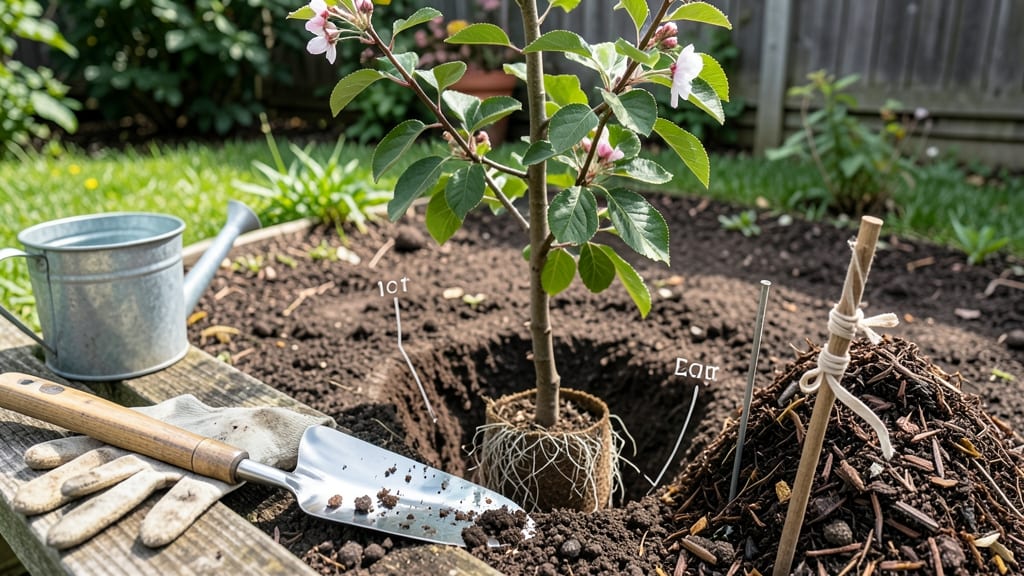
Planting apple trees in England during late autumn to early spring 🍎 ensures strong root growth and long-term success before summer heat arrives.
Timing your apple tree planting perfectly in England can mean the difference between thriving orchards and struggling saplings—discover the ideal months for strong root establishment and long-term success.
England’s climate varies dramatically from the milder 8a zones of southern England to the colder 5a zones of Scotland, so the best planting window shifts depending on where you live.
Below, I’ll break down the best months for planting, regional adjustments, and how to prepare your soil for maximum success—so you can avoid common pitfalls and set your trees up for years of harvests.
Best months to plant apple trees in England for optimal root growth
Planting apple trees at the right time in England ensures strong root development and long-term success. The dormant season—from November to March—offers the best conditions for planting, as soil temperatures are cooler and frost risks are lower.
This timing allows roots to establish before the tree wakes up in spring, giving it a head start for fruit production.
In England, the ideal planting window varies slightly by region due to climate differences. Southern areas like Sussex or Kent experience milder winters, while northern regions like Yorkshire or Scotland face colder temperatures and later frost risks. Understanding these variations helps you choose the perfect time for your specific location.
For most of England, the best months to plant are November, December, and early March. These months provide cool soil temperatures (ideal for root growth) and minimal frost threats to young saplings.
Planting in late autumn or early spring gives roots time to establish before the tree enters active growth in late spring.
Spring planting (March-April) is also popular, but it comes with higher frost risks in northern regions. If you choose spring, opt for bare-root trees and protect them with frost cloths if late frosts are forecasted. Always check your local frost-free date to avoid planting too early.
Soil temperature plays a critical role in root growth. Apple tree roots thrive in soil temperatures between 4°C and 10°C (39°F-50°F). In England, these conditions are typically met in autumn and early spring.
Planting when the ground is cool but not frozen ensures roots can absorb moisture and nutrients without stress.
Another key factor is moisture availability. Autumn rains provide natural watering, while spring planting requires consistent watering to keep the soil moist. Mulching around the base of the tree helps retain moisture and regulate soil temperature, which is especially important in dry spells or frost-prone areas.
Here’s a quick comparison of the two primary planting windows to help you decide what works best for your location and climate:
| Planting Window | Best Months | Soil Temperature | Frost Risk | Root Growth Benefit |
|---|---|---|---|---|
| Autumn | November-December | 4°C-10°C (39°F-50°F) | Low (after first frost) | Establishes roots before winter dormancy |
| Early Spring | March-April | 5°C-12°C (41°F-54°F) | Moderate (late frosts possible) | Rapid root growth before active shoot growth |
If you’re planting in southern England, where winters are milder, you can extend your planting window into early January. However, in northern England or Scotland, it’s safer to stick to November or early March to avoid frost damage.
Always choose bare-root trees for autumn planting, as they establish more quickly than container-grown trees.
After planting, focus on mulching and watering to support root growth. A 3-inch layer of organic mulch (like wood chips or straw) helps retain moisture and insulate roots from temperature fluctuations. Water deeply once a week, especially during dry spells, to encourage deep root penetration into the soil.
Finally, consider the variety of apple tree you’re planting. Some varieties, like Cox’s Orange Pippin or Braeburn, thrive in cooler climates and are better suited for northern England.
Others, like Golden Delicious, do well in milder southern regions. Choosing the right variety for your climate ensures healthier growth and better fruit production.
By planting at the right time and providing the right conditions, your apple tree will develop a strong root system, setting it up for years of fruitful harvests. Happy planting! 🌱
Regional planting variations across England: north vs south climate differences
England's climate varies dramatically between its northern and southern regions, creating distinct planting windows for apple trees. In Yorkshire (northern England), colder temperatures and later frost-free dates demand earlier planting, while Sussex (southern England) benefits from milder winters and longer growing seasons.
These differences can influence your root establishment success by up to 4-6 weeks.
For northern regions like Yorkshire (USDA Zone 5a-6a), the ideal planting window stretches from late October to early March. The last frost typically occurs around mid-April, so planting in November or February ensures roots establish before spring growth begins.
In contrast, southern regions like Sussex (USDA Zone 8a-9a) can plant until early April, with frost risks minimalizing until mid-October.
| Region | Ideal Planting Window | Last Frost Date | Soil Prep Tip |
|---|---|---|---|
| Yorkshire (North) | Late October - Early March | Mid-April | Add compost to improve drainage in heavy clay soils |
| Sussex (South) | November - Early April | Mid-October | Test soil pH (aim for 6.0-7.0) and amend with lime if needed |
In Yorkshire, focus on bare-root planting during winter dormancy to avoid frost damage. The colder climate means soil stays workable longer, allowing you to plant as late as February without risking early spring frosts.
For Sussex gardeners, container-grown trees can extend planting into early April, but always check local frost forecasts before planting.
Soil preparation differs significantly between regions. Northern soils often require organic matter to improve drainage, while southern soils may need pH adjustments due to chalky subsoils.
In both cases, dig a hole twice as wide as the root ball and mix in well-rotted manure to create nutrient-rich soil for your young tree.
Microclimates within these regions further complicate timing. For example, coastal Sussex benefits from warmer winters and can plant up to 2 weeks later than inland areas.
Meanwhile, Yorkshire's higher elevations may require planting 1-2 weeks earlier to account for colder microclimates. Always consult your local met office frost data for precise timing.
Remember, the key to successful apple tree planting lies in matching your timing to your region's last frost date and soil conditions. Whether you're in frosty Yorkshire or mild Sussex, planting during dormancy ensures your tree establishes strong roots before facing spring growth challenges.