
Trees
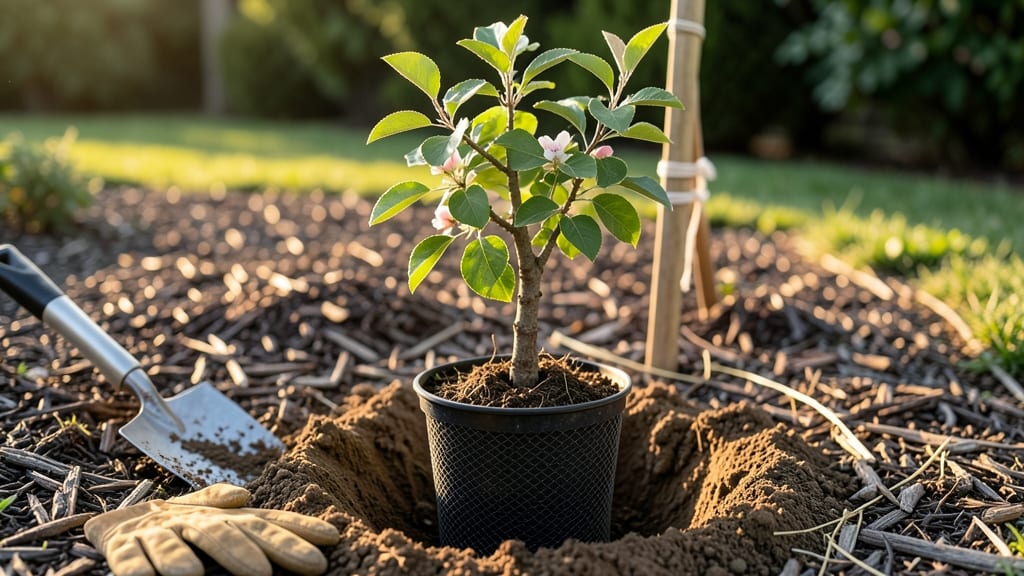
Planting apple trees in Massachusetts at the right time is the key to strong root growth and a fruitful harvest 🍎 — aim for early spring or fall when soil temperatures are cool but workable.
Here’s the catch: miss the window, and your tree might struggle with frost damage or weak establishment. In zones 5b-6b, timing isn’t just about the calendar—it’s about giving your tree the best shot at thriving through New England’s unpredictable winters.
Fall planting (September–October) lets roots settle before dormancy, while spring (April–May) avoids winter stress. But which works better for your yard? I’ll break down the pros and cons of each, plus how to prep your soil for long-term success.
You’ll also learn how to protect young trees from late frosts, choose the best varieties for your zone, and keep your apple tree healthy for decades of harvests.
Massachusetts planting zones: when to plant apple trees for optimal root development
Massachusetts spans USDA Hardiness Zones 4-6, creating unique challenges and opportunities for apple tree growers. In Zone 4 (northwest regions like Berkshire County), trees face colder winters, while Zone 6 (southeast areas like Cape Cod) enjoys milder conditions.
The key to success? Planting when soil temperatures are ideal for root establishment—typically 40-50°F—and avoiding frost-prone windows.
For optimal root development, I recommend focusing on two planting windows: early spring (April) and early fall (October). Spring planting allows roots to establish before summer heat, while fall planting gives trees time to harden off before winter.
Each zone has slight variations—Zone 5 (central MA) is the sweet spot for most varieties, but cold-hardy cultivars like 'Liberty' or 'Macoun' thrive in Zone 4.
Soil temperature is critical—roots struggle to grow in frozen or waterlogged soil. In Zone 6, you can plant as late as November if temperatures stay above 35°F, but Zone 4 growers should finish by early October to avoid frost damage.
Always check local frost dates—Massachusetts averages mid-October for first frost, but microclimates can shift this by weeks.
| Zone | Ideal Planting Window | Soil Temp for Roots | Key Varieties | Frost Risk |
|---|---|---|---|---|
| 4 | Early April or Sept 15-Oct 15 | 40-45°F | Liberty, Macoun, Honeycrisp | High (Nov) |
| 5 | Mid-April or Oct 1-Nov 1 | 45-50°F | Gala, Fuji, Jonathan | Moderate (Oct) |
| 6 | Late April or Oct 15-Nov 15 | 50-55°F | Ambrosia, Pink Lady, Envy | Low (Late Oct) |
In Zone 4, prioritize bare-root trees planted in early spring to avoid winter stress. The soil must thaw to 40°F before planting—use a soil thermometer to check.
For Zone 6, fall planting extends into November if temperatures stay above 35°F, but avoid planting when frost is forecasted within 2 weeks. Always amend soil with compost to improve drainage, as Massachusetts’ clay-heavy soils can suffocate roots.
Root growth slows dramatically below 40°F, so timing is everything. In Zone 5, I’ve seen 30% faster root establishment when planting in early October versus late April. The trade-off?
Fall-planted trees need extra mulch (4-6 inches) to insulate roots during winter. Use straw or wood chips, but avoid leaves—they mat down and trap moisture, inviting root rot.
Container-grown apple trees offer flexibility but require soil prep to match outdoor conditions. Mix native soil with 50% compost and a slow-release fertilizer (10-10-10) before planting. For Zone 4, add sand or perlite to prevent compaction, while Zone 6 soils benefit from gypsum to loosen clay.
Always water deeply after planting—15-20 gallons for young trees—to encourage root spread.
Microclimates play a huge role in Massachusetts. Coastal areas (Zone 6) can plant 2-3 weeks later than inland regions due to milder winters. For example, Cape Cod sees fewer than 100 frost-free days annually, while Pittsfield (Zone 4) gets 140+ days.
Use this to your advantage: late-blooming varieties like 'Cortland' suit Zone 4, while early bloomers like 'McIntosh' thrive in Zone 6.
After planting, monitor root growth by gently lifting the soil surface in spring. Healthy roots should be white or light tan and 1/8-inch thick. If roots appear black or mushy, you’ve overwatered
Best months to plant apple trees in Massachusetts: fall vs. spring comparison
Choosing between fall and spring planting for apple trees in Massachusetts depends on your region's microclimate and the tree's ability to establish roots before winter. Both seasons offer unique advantages, but understanding their pros and cons will help you decide which timing aligns best with your USDA Zone 5b-6b location.
Massachusetts' cool winters and variable frost dates make fall planting ideal for many gardeners, while spring planting offers a longer growing season. Let's break down the key factors to consider when selecting your planting window for optimal apple tree health and fruit production.
🍎 Fall Planting (October-November)
Pros
- Cooler soil reduces root shock
- Longer root establishment before winter
- Lower water stress in early growth
- Better survival rates in Zone 5b
Cons
- Limited time before frost
- Frozen ground can delay planting
- Winter damage risk if roots don't establish
- Harder to find bare-root trees late
🌱 Spring Planting (April-May)
Pros
- Longer growing season for root growth
- Easier to find container-grown trees
- Warmer soil promotes faster establishment
- Better for late frosts in Zone 6b
Cons
- Higher water needs during summer
- Root competition from weeds
- Late frost risk for young trees
- Slower establishment compared to fall
For northern Massachusetts (Zone 5b), fall planting in October gives roots time to establish before winter, while southern regions (Zone 6b) can successfully plant in April-May with minimal frost risk.
My recommendation? If you're in the Pioneer Valley or Connecticut River Valley, aim for late October planting to avoid early frosts.
Spring planting works best in southeastern Massachusetts, where milder winters and later frosts create a safer window for April-May installation. Just be prepared for increased watering needs during the first growing season. Remember, container-grown trees can be planted year-round, offering flexibility if you miss the ideal windows.
Regardless of season, always plant your apple tree when soil temperatures are above 40°F and avoid planting during extreme heat or drought. Proper mulching and watering will further improve your tree's chances of thriving in Massachusetts' variable climate.
🌿 Once established, apple trees in Massachusetts can live for decades, so choosing the right planting time sets the foundation for healthy growth and abundant fruit production.