
Trees
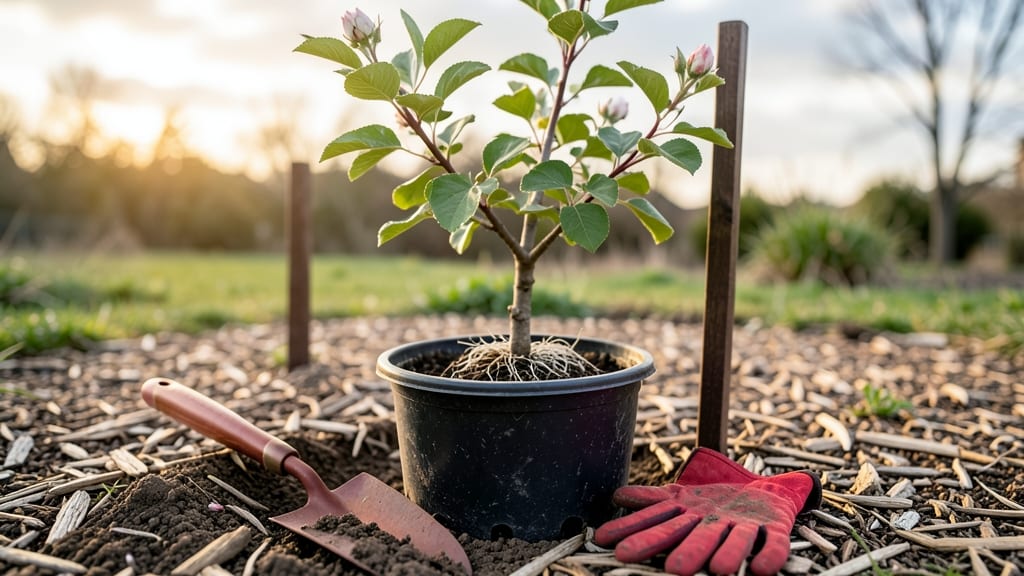
Plant apple trees in New Jersey between late February and early April to align with the 6B/7A zone’s frost-free window and give roots time to establish before summer heat.
Timing is everything when planting apple trees in New Jersey’s unpredictable climate—get it wrong, and your young tree could struggle to establish roots before winter’s harsh freeze. But with NJ’s USDA Zones 6B and 7A, you’ve got a narrow window to maximize success.
Most gardeners in Zone 6B (like parts of northern NJ) should aim for early April, while those in Zone 7A (southern NJ) can plant as late as early May.
Coastal areas like Cape May may even wait until late April, but inland zones like Morristown need to plant sooner to avoid late frosts.
Below, I’ll break down the best months for planting, how to prep your soil, and which apple varieties thrive in NJ’s climate—plus a few pro tips to keep your 🍎 tree healthy for decades.
Best planting months for apple trees in NJ (zone 6B/7A)
Timing your apple tree planting in New Jersey’s USDA Zones 6B/7A can mean the difference between a thriving orchard and a struggling sapling. The ideal window is narrow—just 6-8 weeks—when soil temperatures hover between 40°F and 50°F and the threat of hard frost has passed.
For most of NJ, this means late March through early April, but coastal areas like Cape May can safely plant 2-3 weeks later.
Planting too early risks root freeze in late frosts, while waiting too long delays root establishment before summer heat. Bare-root trees must go in the ground before buds swell (typically by mid-April), while container-grown trees offer slightly more flexibility but still require cool spring soil to avoid transplant shock.
| Planting Window | Soil Temp | NJ Microclimate | Tree Type | Key Risk |
|---|---|---|---|---|
| Late March - Early April | 40°F - 50°F | Inland (Zone 6B) | Bare-root | Late frost damage |
| Early April - Mid-April | 45°F - 55°F | Coastal (Zone 7A) | Container-grown | Transplant shock |
| May (last resort) | 55°F+ | Urban heat islands | Bare-root | Summer drought stress |
| Fall (September) | 50°F - 60°F | All regions | Container-grown | Winter desiccation |
Fall planting is possible in NJ, but it’s riskier. Container-grown trees can handle September planting if you water deeply and mulch heavily to protect roots. The goal is to give roots 4-6 weeks to establish before the ground freezes.
However, bare-root trees planted in fall often suffer from winter desiccation in NJ’s fluctuating temperatures.
For Zone 6B areas like Sussex County, aim for March 20-April 5. In Zone 7A coastal regions like Monmouth County, you can extend planting until April 15. Check your local NJ State Climatologist reports for last frost dates—these vary yearly.
I always plant mine after the cherry blossoms in my area have fully bloomed, a natural indicator.
Soil temperature is more critical than air temperature. Use a soil thermometer to confirm readings. If your soil is below 40°F, roots won’t grow, and the tree will remain dormant. In urban heat islands (like Newark), soil warms faster, so you might plant 1-2 weeks earlier than rural areas.
Always amend your soil with compost before planting to improve drainage and warmth retention.
Common mistakes include planting too deep (cover the graft union) or too shallow (exposing roots). The root flare should sit just above soil level. After planting, stake young trees only if your area gets high winds (common in coastal NJ).
Water immediately after planting to eliminate air pockets, then maintain 1-2 inches of mulch around the base to retain moisture.
If you miss the spring window, don’t despair—container-grown apple trees can be planted in early fall (September) as long as you protect them with burlap wraps during winter. Just remember: fall-planted trees need extra watering until the ground freezes, as they won’t establish as quickly as spring plantings.
For NJ gardeners, March is my personal favorite month to plant apple trees. The soil is thawed, the risk of frost is lower, and the trees have the entire growing season ahead.
Plus, you’ll avoid the summer heat stress that May plantings often face. Start your orchard right, and you’ll be enjoying homegrown apples in
How NJ microclimates affect apple tree planting success
New Jersey’s diverse geography creates microclimates that can shift your apple tree planting window by 2-3 weeks. Coastal areas like Cape May experience milder winters, while inland zones like Morristown face earlier frosts.
These differences aren’t just about timing—they affect root establishment and dormancy cycles, making location-specific planning critical for success.
Coastal regions benefit from moderating ocean breezes that delay frost, allowing later planting (up to mid-April). Meanwhile, inland urban areas often experience heat islands that warm soil faster in spring, creating a narrower window (ideal March planting).
Elevation also plays a role—higher areas like the Kittatinny Mountains may need earlier planting to avoid late-season chills.
Wind exposure is another key factor. Coastal gardens face salty winds that can stress young trees, while inland areas may deal with drier conditions. Urban planting sites often combine heat retention with pollution challenges, requiring extra soil preparation. Understanding these variations helps you time planting and prepare soil for maximum root growth before dormancy.
Urban gardeners in cities like Newark often face soil compaction from pavement, requiring raised beds or deep soil amendments. Meanwhile, rural areas with loamy soil (like central NJ) provide ideal conditions for apple trees but may need earlier planting to avoid summer drought stress.
Always check your local last frost date—coastal areas average April 15, while inland zones can see frost as late as May 1.
For coastal plantings, consider wind-resistant varieties like 'Golden Delicious' and use windbreaks made of shrubs or fencing. Inland gardeners should prioritize drought-tolerant rootstocks and mulching to retain moisture. Elevation changes can also affect pollination success—higher areas may need multiple tree varieties to ensure cross-pollination.
Don’t let NJ’s microclimates confuse you—with the right preparation, you can plant apple trees successfully across the state. Start by testing your soil, then adjust your planting timeline based on your specific location. The key is observing local patterns over a few seasons to refine your approach.