
Plants
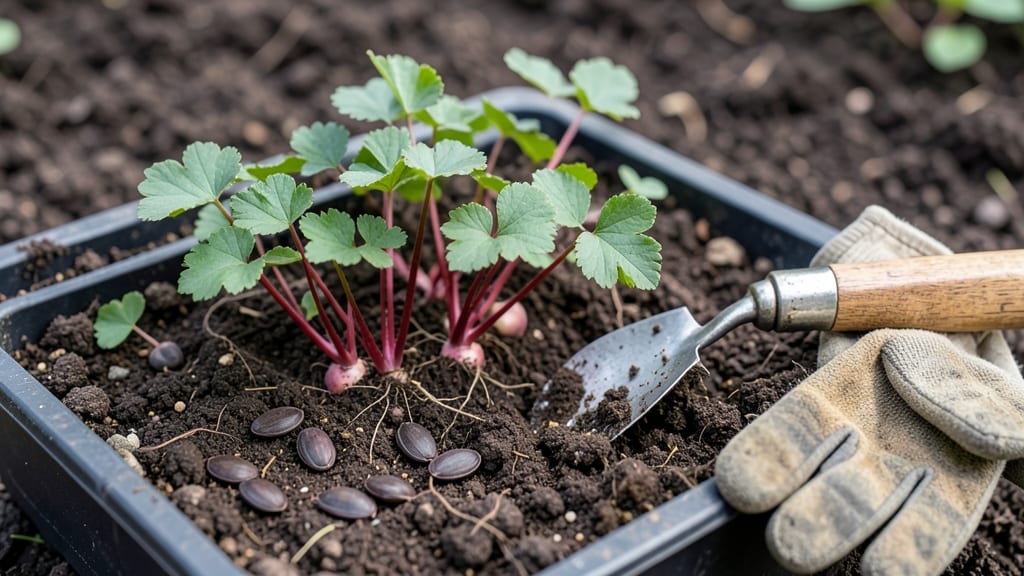
Planting beets in Zone 5b at the wrong time means either waiting months for harvests or watching them bolt into bitter, flowery disappointment.
Beets are a gardener’s secret weapon—sweet, nutritious, and surprisingly easy to grow—but timing is everything in Zone 5b. Plant too early, and you’ll trigger bolting; too late, and your harvest shrinks.
The key? Mastering soil temperature secrets that unlock zero-bolt success. In Zone 5b, beets thrive when soil hits 40°F in spring and stays below 85°F in summer. That means two ideal windows: early spring (March–April) and late summer (July–August).
Below, I’ll break down the exact planting schedule, how to prep soil for success, and the succession planting tricks that keep your table stocked from June through September.
Zone 5B beet planting calendar: soil temperature rules for perfect timing
Timing your beet planting in Zone 5B hinges on soil temperature—not air temperature. Beets thrive when soil sits between 40°F and 85°F, but push that range, and you’ll trigger bolting (flowering) or stunted growth.
My secret? A soil thermometer. Without it, you’re guessing—and guesswork means wasted seeds or bitter harvests.
Spring planting in Zone 5B starts when soil warms to 40°F (usually late March to early April). Fall planting works until soil drops below 50°F (typically late July to early August).
The last frost date (April 15) is irrelevant—soil temperature rules everything. Even if air feels spring-like, cold soil will shock seedlings.
Here’s the golden rule: Wait for consistent 50°F+ soil temps before planting. Early varieties like ‘Early Wonder’ tolerate cooler soil (45°F), but mainstream types need that 50°F minimum. Pro tip: Test soil temp 2 inches deep—surface temps lie.
| Planting Window | Ideal Soil Temp | Zone 5B Months | Variety Tips |
|---|---|---|---|
| Early Spring | 40°F–50°F | Late March–Early April | Cold-hardy: ‘Detroit Dark Red’, ‘Golden’ |
| Late Spring | 50°F–60°F | Mid-April–May | Standard: ‘Chioggia’, ‘Bull’s Blood’ |
| Early Fall | 50°F–65°F | Late July–Early August | Heat-tolerant: ‘Ruby Queen’, ‘Cylindra’ |
| Late Fall | 45°F–50°F | Mid-August–September | Fast-maturing: ‘Babybeat’, ‘Little Ball’ |
Forget the last frost date—it’s a red herring. What matters is soil temperature. In my Zone 5B garden, I’ve planted beets in March when air was 32°F but soil hit 42°F—success!
Conversely, I’ve lost seedlings in April when soil was still 38°F, even though air was 50°F. The lesson? Soil thermometers save seeds.
Here’s my soil thermometer checklist for accuracy: ☑️ Test soil 2 inches deep (where roots grow) ☑️ Check temps morning and evening (biggest swings) ☑️ Avoid sunny spots—shade = real temp ☑️ Plant when temps are consistently in range for 3+ days ☑️ Use a minimum/maximum thermometer to track swings
Zone 5B gardeners often ask: “Can I plant beets in February?” The answer? Only with row covers. Soil temps in February rarely hit 40°F, but if you’re using black plastic mulch or a cold frame, you can warm soil by 10–15°F.
I’ve had luck with ‘Early Wonder’ under covers, but it’s risky—bolting is still a threat.
Fall planting is trickier. Soil stays warm longer than air suggests. In Zone 5B, I stop planting by early August because soil cools rapidly after that. For late-season harvests, choose fast-maturing varieties (50-day types) and plant in late July when soil is still 60°F+.
Cover seedlings with floating row cover to extend the window.
Pro move: Succession plant every 2 weeks from spring to fall. Start with cold-hardy varieties in March, then shift to heat-tolerant types in July. My June harvest comes from March plantings, while September beets start in July.
The key? Adjust spacing—thin early plantings to 3 inches apart for larger roots.
Remember: Bolting isn’t just about heat. Poor soil fertility or overcrowding stresses plants, triggering flowers. In Zone 5B, I side-dress with compost at planting and avoid nitrogen-heavy fertilizers—beets need balanced NPK (5-10-10). And always water deeply to prevent stress.
Master these soil temp rules, and you’ll enjoy sweet, bolt-free beets from spring to fall. No more wasted seeds or bitter harvests—just perfect timing
How to extend your beet season in Zone 5B: succession planting hacks
Zone 5B gardeners know that beets are a reliable crop—but only if you time your plantings perfectly. The secret to continuous harvests lies in succession planting, where you stagger sowings every 2–3 weeks to keep roots growing without bolting.
This method works especially well with cold-hardy varieties like ‘Detroit Dark Red’ or ‘Golden Beet,’ which tolerate cooler soils better than heat-sensitive types.
Start your first planting as soon as soil reaches 40°F (around mid-March in Zone 5B). This early window ensures seedlings establish before summer heat arrives.
For late-season extensions, your final sowing should happen by early August—just 8–10 weeks before your first frost—to allow time for harvest before cold sets in.
The key to success is spaced-out plantings that align with beet growth cycles. By sowing new seeds every 2–3 weeks, you create a rolling harvest that keeps your kitchen stocked from June through October. This method also prevents overcrowding, which stresses plants and triggers bolting.
Step-by-Step Succession Planting for Zone 5B Beets
- Week 1: Sow first batch when soil hits 40°F (mid-March). Use row covers if nights dip below 35°F.
- Week 3: Plant second batch. Thin seedlings to 2–3 inches apart to avoid competition.
- Week 5: Sow third batch. Monitor soil moisture—consistent watering prevents bolting.
- Week 7: Add fourth batch. Use shade cloth (30%) if temps exceed 80°F.
- Week 9: Final planting for late harvests. Choose bolting-resistant varieties like ‘Cylindra.’
- Week 11: Harvest first batch (roots 1–3 inches). Repeat every 2–3 weeks.
For late-season extensions, row covers are your best friend. Lightweight fabric (like frost cloth) can push harvests into October by trapping heat and protecting tender seedlings. Remove covers during the day in September to harden off plants before frost.
This trick works especially well with ‘Detroit Dark Red’, which stores well and keeps flavor even in cooler weather.
Pro tip: Mark your planting dates on a garden calendar to avoid gaps. If you miss a sowing window, switch to container growing—beets thrive in 5-gallon pots and let you extend seasons indoors with grow lights. Just ensure pots have drainage holes to prevent rot.
With this succession strategy, you’ll enjoy fresh beets for months, not just a single summer harvest. The secret? Stay ahead of heat stress and keep soil cool—mulch heavily with straw to retain moisture and regulate temps. Your garden (and your dinner table) will thank you!