
Plants
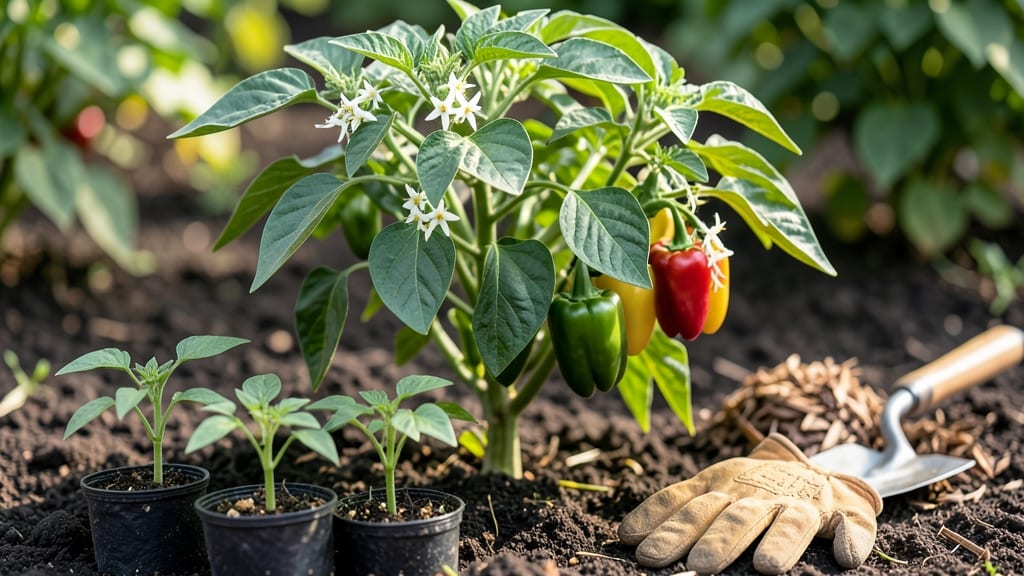
Planting bell peppers in Alabama at the right time means the difference between a thriving garden and a sad, wilted crop 🌶️.
Alabama’s warm climate and diverse microclimates make it a prime spot for growing bell peppers—but planting too early or late can mean the difference between a bountiful harvest and a failed crop. Timing is everything, and understanding your local last frost dates is the first step to success.
Spring planting should start after your last frost date, typically around mid-April in most of the state, while fall planting offers a second chance from July to August. But don’t just guess—soil temperature matters just as much, and waiting until it hits 60°F ensures strong root growth.
In this guide, I’ll break down the best planting windows for your Alabama region, share pro tips for extending your growing season, and help you avoid common mistakes that even experienced gardeners make.
Alabama’s last frost dates by region: best planting windows for bell peppers
Alabama’s diverse climate means last frost dates can vary by 500 miles—from March 15 in the north to April 15 in the south. For bell peppers, which thrive in warm soil (70°F+), timing is critical.
Plant too early, and frost will kill tender seedlings; too late, and summer heat arrives before harvest. Let’s break down your region’s optimal planting windows to maximize your pepper yield.
Northern Alabama (USDA Zones 7a-7b)—think Huntsville, Birmingham, and Decatur—has later last frosts, often around March 20-April 1. Here, start seeds indoors 8-10 weeks before your last frost (around January 15-February 1) or transplant seedlings after April 15.
Southern Alabama (Zones 8a-8b), including Mobile, Montgomery, and Dothan, enjoys earlier last frosts (February 28-March 15), so you can plant outdoors as early as March 1.
Urban gardens in cities like Birmingham or Huntsville often experience microclimates with 5-10°F warmer nights than rural areas. Use this to your advantage: if your urban spot stays above 55°F at night, you can plant 1-2 weeks earlier than rural guidelines suggest.
Always verify with a local weather station or Alabama A&M Extension Service for real-time data.
Soil temperature is more critical than air temperature for bell peppers. Wait until soil reaches 70°F—use a soil thermometer to check. In cooler microclimates, black plastic mulch can raise soil temps by 5-10°F, letting you plant 2 weeks earlier.
For a head start, sow seeds indoors under grow lights starting February 1 (northern AL) or January 15 (southern AL).
Greenhouse growers can push planting windows even further. With supplemental heat, you can start seeds indoors as early as January 1 in northern Alabama or December 15 in the south.
Transplant seedlings outdoors 4-6 weeks before your region’s last frost date. Just ensure your greenhouse maintains 60°F+ nights to prevent stunted growth.
Here’s a quick comparison of planting windows by region, including soil temp requirements and ideal transplant dates:
| Region | Last Frost Date | Indoor Start (Seeds) | Outdoor Transplant | Soil Temp Requirement |
|---|---|---|---|---|
| Northern AL (Zones 7a-7b) | March 20 - April 1 | Jan 15 - Feb 1 | April 15 - May 1 | 70°F+ |
| Central AL (Zones 7b-8a) | March 1 - March 15 | Feb 1 - Feb 15 | March 15 - April 1 | 70°F+ |
| Southern AL (Zones 8a-8b) | Feb 28 - March 10 | Jan 15 - Jan 31 | March 1 - March 15 | 70°F+ |
| Urban Microclimates (e.g., Birmingham) | March 25 - April 5 | Jan 20 - Feb 5 | April 1 - April 15 | 65°F+ (with mulch) |
For a fall harvest, aim to transplant seedlings 80-90 days before your first frost (typically November 15). In northern Alabama, this means planting July 15-August 1, while southern regions can extend this to August 15-September 1.
Choose heat-tolerant varieties like ‘Carolina Wonder’ or ‘Jupiter’ for summer planting.
Pro tip: Use row covers or low tunnels to protect seedlings if an unexpected frost threatens. These can raise temps by 5-8°F
How to extend your bell pepper growing season in Alabama’s heat
Alabama’s summer heat can be brutal on bell peppers, but with the right strategies, you can keep your plants thriving and extend your harvest well into fall. The key is combining shade, moisture control, and smart companion planting to protect your plants from heat stress and sun scorch.
I’ve grown bell peppers in USDA Zones 7b-8a for years, and these methods have helped me avoid wilting plants and poor fruit set during our hottest months.
First, focus on shade solutions to protect your peppers from intense afternoon sun. Alabama’s summer afternoons often hit 95°F+, which can cause blossom drop and stunted growth. A 30-50% shade cloth draped over your plants can reduce temperatures by 10-15°F while still allowing enough light for photosynthesis.
I recommend installing it by mid-June and removing it in early September to avoid stunting growth as temperatures cool.
Next, prioritize mulching to keep roots cool and soil moist. I swear by straw mulch because it breaks down slowly, adding organic matter to the soil while locking in moisture. Apply a 3-4 inch layer around your plants, but keep it 2 inches away from stems to prevent rot.
For extra insulation, consider black plastic mulch, which warms the soil faster and helps speed up germination if you’re planting late in the season.
Your watering schedule is critical during Alabama’s heatwaves. Bell peppers need consistent moisture, but overwatering can lead to root rot. Water deeply in the morning (before 10 AM) to give roots time to absorb water before the heat of the day.
Aim for 1-2 inches per week, and increase to daily watering if temperatures exceed 90°F. Use a drip irrigation system to deliver water directly to the roots and avoid wetting foliage, which reduces fungal risks like early blight.
Don’t overlook companion planting as a heat-mitigation strategy. Planting basil nearby improves pepper flavor and deters pests like aphids. Marigolds repel nematodes, while onions or garlic keep spider mites at bay.
I also interplant with squash or cucumbers to create a living shade canopy that cools the soil. Just avoid planting peppers near fennel or beans, as these can stunt their growth.
Finally, select heat-resistant varieties that thrive in Alabama’s climate. My top picks are 'Aristotle' (tolerates heat and humidity), 'Carmen' (disease-resistant), and 'Jupiter' (large, sweet peppers that handle heat well). These varieties are bred to withstand 90°F+ temperatures and still produce high yields.
If you’re planting in July or August for a fall harvest, these will give you the best chance of success.