
Companion Plants
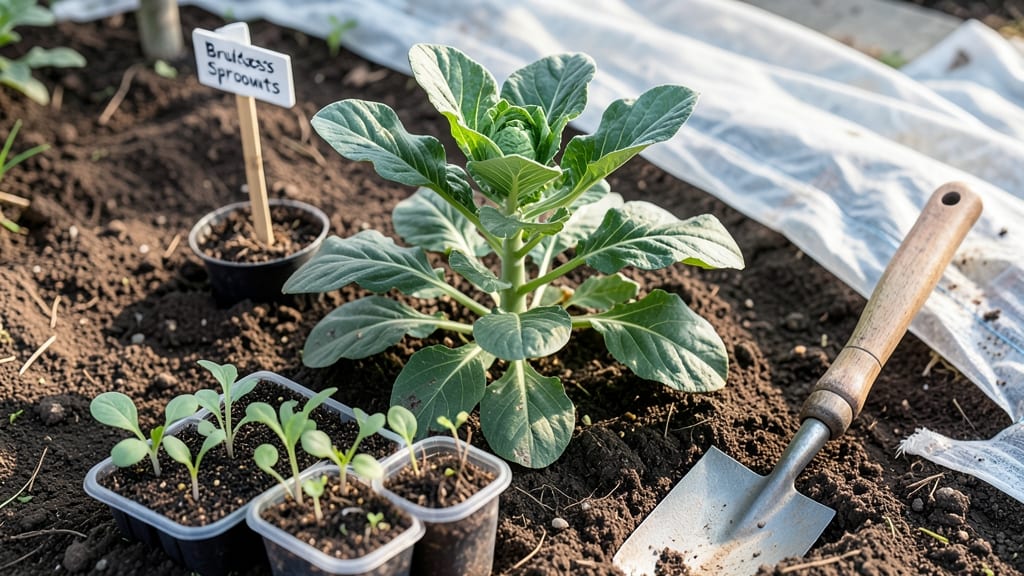
Planting brussel sprouts in Kentucky at the right time means the difference between a bountiful fall harvest and a sad, stunted crop.
Picture this: you’ve prepped the soil, chosen the perfect variety, and even marked your calendar—but if you plant too early, frost will nip those tender seedlings in the bud.
Too late, and your sprouts won’t mature before Kentucky’s first frost in November. The key? Timing it just right for your Zone 6A/7A climate.
Brussel sprouts 🥦 love Kentucky’s cool weather, but they need 80-120 days to reach harvest—meaning you’ve got a narrow window to get them in the ground.
Whether you’re a first-time gardener or a seasoned grower, knowing whether to plant in spring or fall (and exactly when) can make or break your crop.
Below, I’ll break down the exact frost-date secrets for Kentucky, including how to adjust for microclimates, the best varieties for your region, and a foolproof checklist to ensure your sprouts thrive from seed to harvest.
Kentucky’s ideal planting windows for Brussel sprouts (by frost dates)
Brussel sprouts love Kentucky’s cool autumn temperatures but bolt quickly in summer heat. The key to success lies in timing—planting too early risks frost damage, while planting too late means small, bitter sprouts.
For Zone 6A/7A, I’ve mapped out the perfect windows based on Kentucky’s average last frost (April 15) and first frost (November 1) dates.
Most gardeners focus on spring planting, but fall is actually the better option for Kentucky’s climate. A fall harvest after a light frost sweetens the flavor, making it worth the extra planning.
Whether you’re starting from seeds or transplants, these timing strategies ensure your Brussel sprouts mature before winter sets in.
| Planting Method | Best Planting Window | Days to Maturity | Frost Tolerance | Harvest Window |
|---|---|---|---|---|
| Direct Sowing (Spring) | Mid-March to mid-April | 90-120 days | Moderate (sensitive to early frost) | Late September to October |
| Transplants (Spring) | Late April to early May | 80-100 days | Moderate (avoid late frost) | Late September to October |
| Direct Sowing (Fall) | Mid-August to mid-September | 90-120 days | High (thrives after frost) | October to December |
| Transplants (Fall) | Late July to early August | 80-100 days | High (best for late harvest) | November to December |
For spring planting, direct sow seeds 4-6 weeks before your last frost date (around mid-March). This gives seedlings time to establish roots before Kentucky’s unpredictable late spring frosts. If you’re using transplants, wait until late April to early May when soil temperatures rise above 45°F.
Fall planting is my top recommendation for Kentucky gardens. Start seeds mid-August to mid-September for a harvest in October and November. A light frost actually sweetens the flavor, so don’t rush to pick them before winter.
For transplants, late July to early August works best—just ensure they mature before the first hard frost.
Brussel sprouts are highly frost-tolerant once established, but young plants can’t handle freezing temperatures. Use row covers if an early frost threatens your spring crop. In fall, a heavy frost will kill the plant, so time your harvest carefully. Aim to pick sprouts before the plant dies back completely.
Pro tip: Succession planting extends your harvest. Sow a second batch of seeds every 2 weeks in August for a staggered harvest through December. This works especially well in Zone 7A, where winters are slightly milder. Just monitor your local frost forecast and adjust timing accordingly.
If you’re new to growing Brussel sprouts, start with transplants for a more predictable harvest. They’re available at local nurseries by late April and July, making them a low-stress option. For direct sowing, use well-drained soil and keep seeds consistently moist until germination (7-14 days).
Remember, Kentucky’s microclimates vary. Gardens in higher elevations (Zone 6A) may need to plant 1-2 weeks later than those in warmer valleys (Zone 7A). Always check your local USDA frost map and adjust accordingly. With the right timing, you’ll enjoy homegrown Brussels sprouts from fall through winter!
How to adjust planting timing for Kentucky’s microclimates (and avoid common mistakes)
Kentucky’s microclimates can vary dramatically between northern (Zone 6A) and southern (Zone 7A) regions, affecting when you should plant Brussel sprouts. In cooler northern areas, like Lexington, aim for mid-March planting, while southern areas like Bowling Green can start slightly later in late March.
These differences impact soil warmth and frost risk, so timing is critical for success.
Another key factor is soil type. Kentucky’s heavy clay soil in western regions drains poorly, while eastern areas often have loamy soil that warms faster. If you’re in clay-heavy soil, amend with compost or sand to improve drainage before planting.
Loamy soils, common in Louisville, can be planted earlier since they warm up quicker in spring.
Brussel sprouts planted in cold soil (below 45°F) risk rot and poor germination. Use a soil thermometer—wait until soil temps reach 50°F before sowing. In Kentucky’s Zone 6A, this often means waiting until mid-April for spring plantings.
For fall harvests, plant 80-90 days before the first frost (typically mid-August in northern KY). Succession planting every 2 weeks extends your harvest window.
One of the biggest mistakes gardeners make is ignoring succession planting. Instead of planting all your Brussel sprouts at once, stagger plantings every 2-3 weeks from mid-August to early September. This ensures a continuous harvest from October through December, avoiding a glut of sprouts all at once.
For heavy clay soils, consider raised beds to improve drainage and warmth. Fill them with a mix of topsoil, compost, and perlite to create an ideal growing environment.
In loamy soils, focus on mulching with straw to retain moisture and regulate soil temperature, especially during Kentucky’s hot summers.
Finally, monitor your local frost dates closely. Use the Kentucky Climate Center or Almanac as a guide, but adjust based on your specific microclimate. For example, Mountain regions like Eastern KY may experience frost 2 weeks earlier than Western KY.
Planting too late risks stunted growth before winter sets in.
To stay organized, use this quick checklist for peak harvest timing: ☑️ Test soil temp (wait for 50°F) ☑️ Amend soil with compost or sand if needed ☑️ Plant 80-90 days before first frost for fall harvest ☑️ Succession plant every 2 weeks for extended harvest ☑️ Mulch to retain moisture and regulate temperature ☑️ Monitor frost dates and adjust timing by microclimate