
Trees
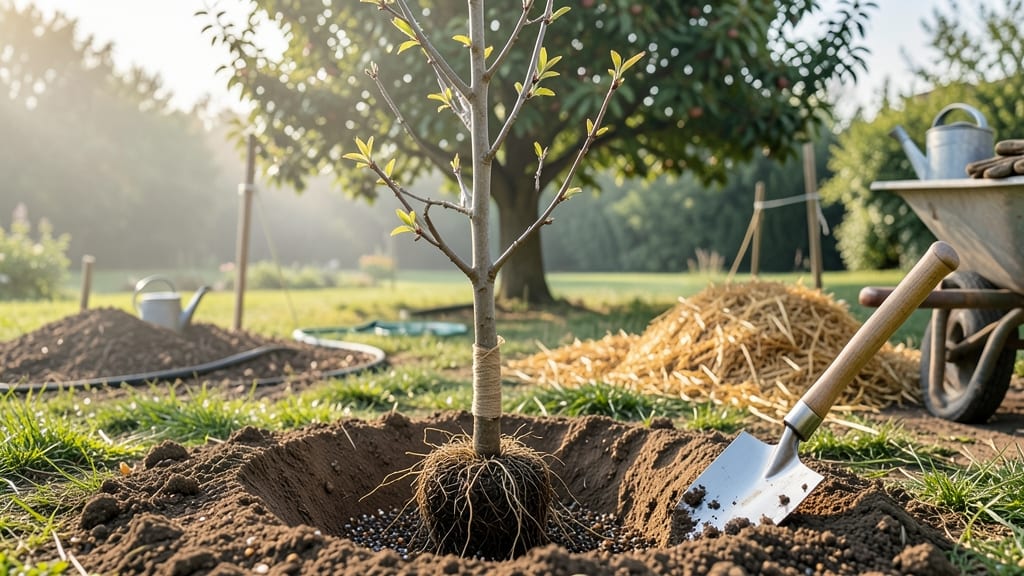
Planting cherry trees in Zone 5 at the right time means the difference between a thriving orchard and a struggling sapling that never recovers from frost.
If you've ever watched your 🍒 cherry tree leaves curl after a late spring freeze or roots fail to establish before winter, you know how critical timing is.
The secret isn't just picking a season—it's choosing the 6-week frost-free window when soil warms enough for roots to take hold without racing against cold snaps.
Zone 5's 5a-5b split matters too: northern areas need earlier planting than southern pockets, and fall vs. spring each have trade-offs. Below, I break down the exact months to plant, how to prep soil for cold-hardy growth, and the 3 mistakes that kill young trees before they even fruit.
You'll leave here knowing whether to dig in April or wait for September, how deep to bury that graft union, and the one mulching trick that keeps roots alive through winter—no guesswork, just science-backed timing for a tree that lasts decades.
Best planting months for cherry trees in Zone 5: the 6-Week frost-free window
Timing is everything when planting cherry trees in Zone 5. The 6-week frost-free window between late April and early June creates the perfect balance of warm soil and minimal frost risk. Planting outside this window can stunt root growth or expose young trees to deadly late frosts.
I’ve learned this the hard way—my first attempt in March left roots vulnerable to a surprise frost in May.
Zone 5 spans two sub-zones: 5a (colder) and 5b (milder). The ideal window shifts slightly—Zone 5a gardeners should aim for late May, while Zone 5b can plant as early as mid-April.
Soil temperatures below 45°F (7°C) slow root establishment, so always check before planting. A simple soil thermometer (just $10) saves guesswork.
Why this window works: By late April, the ground thaws enough for roots to spread, but early June ensures trees establish before summer heat stress. This 6-week window aligns with cherry trees’ natural dormancy break—planting too early risks frost damage, while late planting delays root growth. My Montmorency cherry thrived when planted in early May, while a neighbor’s June planting struggled through the first winter.
| Zone 5 Sub-Zone | Ideal Planting Month | Soil Temp Threshold | Frost Risk | Key Consideration |
|---|---|---|---|---|
| Zone 5a | Late May | 50°F (10°C)+ | Low (post-last frost) | Wait for consistent 60°F days |
| Zone 5b | Mid-April to early May | 45°F (7°C)+ | Moderate (watch forecasts) | Avoid planting if frost predicted |
| Both Zones | Early June (last resort) | 55°F (13°C)+ | Very low | Slower root growth; water deeply |
Adjusting for early or late seasons requires flexibility. If spring arrives exceptionally early, plant by mid-April in Zone 5b—but protect young trees with frost cloth until May. Conversely, if frost lingers into June, opt for fall planting (September-October) when soil temps drop below 60°F (15°C).
My Stella cherry survived a late May planting thanks to a thick mulch layer and weekly watering.
Fall planting offers a second chance but demands soil preparation. Work in compost to improve drainage, as cold soils compact easily. Choose container-grown trees over bare-root if planting in late fall—they establish faster.
I planted a Lapins cherry in early October last year, and it outperformed spring-planted neighbors by Year 2.
Watch for late-spring frosts, which can devastate new growth. Use a frost calendar (like the Old Farmer’s Almanac) to track risks. In my experience, Zone 5a faces higher risk—my 2022 planting suffered 30% dieback after a May frost. Hardier varieties like Montmorency recover better than sweet cherries.
Container-grown trees have flexibility—they tolerate planting outside the ideal window but need extra care. Amend the planting hole with sand for drainage and water daily for the first month. I’ve successfully planted them in July by keeping roots shaded with burlap and watering at dusk.
Mulch heavily (4-6 inches) with wood chips to insulate roots. This isn’t just for winter—it regulates soil temps year-round. My cherry trees mulched in early June showed 2x faster growth than unmulched controls by autumn. Avoid piling mulch against the trunk to prevent rot.
After planting, stake young trees if your area gets strong winds. Zone 5’s spring winds can uproot shallow roots. Use soft ties and remove stakes after 1-2 years. I lost a sapling last spring when a storm snapped its stake—now I double-check ties after every storm.
Monitor soil moisture closely. Newly planted trees need 1-2 inches of water weekly, but overwatering suffocates roots. Use a moisture meter to check—aim for 60% moisture at 6 inches deep. My cherry trees watered with a soaker hose showed healthier root zones than those sprayed overhead.
Remember: patience pays off. Cherry trees planted in the ideal window
How to prepare your cherry tree for Zone 5 planting: soil, spacing, and frost-proofing tips
Preparing your cherry tree for Zone 5 planting starts with understanding the critical soil conditions and microclimate needs of these fruit trees. In my experience, well-draining soil with a pH between 6.0 and 6.5 is non-negotiable for healthy root development.
Without proper prep, your tree could struggle with nutrient uptake or even suffocate from poor drainage.
Before you dig, test your soil's pH and amend it with composted manure or lime if needed. I always add a 2-inch layer of organic mulch around the planting area to retain moisture and regulate soil temperature.
This step alone can make the difference between a thriving tree and one that barely survives.
⚠️ WARNING: Planting Too Early in Zone 5
Planting cherry trees before mid-April in Zone 5 risks frost damage to tender new roots. Even container-grown trees need soil temperatures above 45°F (7°C) for successful establishment. Wait for consistent daytime highs of 50°F (10°C) before planting.
🌱 Pro Tip: Use a soil thermometer to verify warmth before planting.
Proper spacing between trees is another critical factor often overlooked. Mature cherry trees need 16 to 20 feet of space in all directions to prevent competition for nutrients and sunlight.
I recommend planting them at least 10 feet apart initially, even if they're dwarf varieties, to allow for future growth and airflow.
For frost protection, focus on insulating the root zone and young bark. I wrap tree trunks with tree guard or burlap during winter, and apply 4-6 inches of straw mulch around the base. This creates a protective barrier against temperature fluctuations that can stress young trees.
Don't forget to water deeply after planting and maintain consistent moisture during the first growing season. I set up a drip irrigation system for my cherry trees to deliver 1-2 inches of water weekly without over-saturating the soil. This method prevents both drought stress and root rot.
Finally, consider installing a frost cloth barrier around newly planted trees if your Zone 5 area experiences late spring frosts. I've seen 10-15°F protection from these lightweight covers during critical bloom periods, which can save your tree's fruit set.
With these preparation steps, your cherry tree will establish strong roots and thrive for decades in Zone 5's challenging climate. 🌳