
Plants
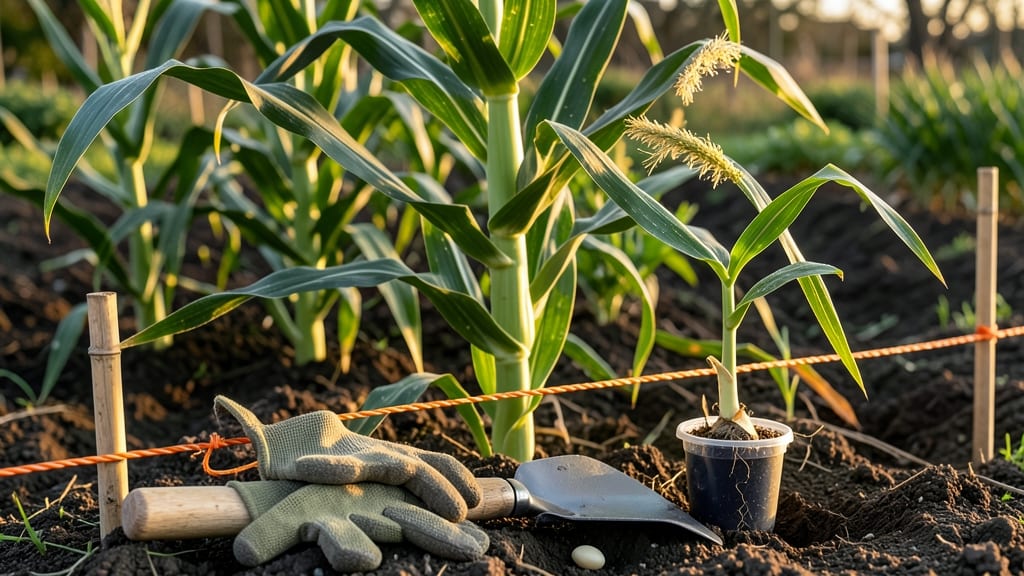
Planting corn in Connecticut at the right time means the difference between a towering 🌽 harvest and a sad, stunted mess.
Connecticut gardeners know timing is everything—and planting corn at the wrong time can mean the difference between a bountiful harvest and a disappointing flop. But with Connecticut’s unpredictable spring weather, when exactly should you drop those seeds for the best yield?
Most gardeners aim for mid-April to early May, once the soil hits a steady 50°F+ for at least a week. But coastal areas like New Haven can plant a week earlier, while inland spots near Hartford might wait until late April to avoid late frosts.
Below, I’ll break down the exact soil temperature triggers, the best corn varieties for Connecticut’s short season, and how to adjust if Mother Nature throws a curveball. Let’s get those kernels growing!
Optimal soil temperature for planting corn in Connecticut (with exact timing)
Corn thrives when planted in warm soil, and Connecticut’s 50°F soil temperature is the magic threshold for germination. For reliable sprouting, wait until the soil stays at 50°F or warmer for 7+ consecutive days.
This typically aligns with late April to mid-May in most of Connecticut, but coastal areas may need to wait until early May due to slower warming.
Using a soil thermometer is your best tool—bury it 2 inches deep (corn’s planting depth) and check readings in the morning. If your thermometer reads below 50°F, delay planting to avoid poor germination or stunted growth.
Cold soil can also lead to seed rot or seedlings that struggle to emerge.
Connecticut’s USDA Zone 6a means we’re in a short growing season (about 165 frost-free days), so timing is critical. Planting too early risks frost damage, while waiting too long may result in ears maturing before the first frost in mid-October. Balance is key for a successful harvest.
Here’s a quick reference for Connecticut’s regional planting windows based on microclimates:
For sweet corn, aim to plant when daytime temperatures consistently reach 60°F+. This ensures faster germination and stronger seedlings. Field corn and popcorn varieties can handle slightly cooler soils but still benefit from waiting until 50°F+ for optimal vigor.
If you’re unsure about your soil temperature, use black plastic mulch to warm the soil by 5-10°F. Lay it down 1-2 weeks before planting to create a microclimate that speeds up germination. This trick is especially useful in cooler coastal areas where soil warms slower.
Watch for last frost dates: Inland areas (like Hartford) average April 20-30, while coastal zones (like New London) may see frost until May 10. Plant after these dates to avoid frost damage to tender seedlings. For extra protection, use row covers if planting early.
Pro tip: Direct-sow corn (don’t transplant seedlings) for the best results. Seeds need 1-1.5 inches of depth and 4-6 inches apart in rows 30-36 inches apart. Space matters—corn is wind-pollinated, and isolated plants may not produce ears.
Once planted, maintain soil moisture—corn roots need consistent watering (1-2 inches per week) to prevent stress. Dry spells during tasseling (when pollen forms) can reduce yields, so prioritize watering during this critical stage.
How to adjust corn planting time for Connecticut’s unpredictable spring weather
Connecticut’s spring weather can throw even the most experienced gardeners for a loop—one day it’s 60°F and sunny, the next it’s 32°F with frost. For corn, which thrives in warm soil and consistent temperatures, this unpredictability can turn a sure harvest into a gamble.
The key is flexibility: knowing when to plant, how to protect tender seedlings, and when to pivot if Mother Nature has other plans.
Most Connecticut gardeners aim to plant corn between late April and mid-May, after the last average frost date (mid-April in most regions).
But if you’re in western Connecticut (like Hartford), you might push planting to early May for safety, while coastal areas (like New Haven) can start slightly earlier. The goal?
Get seeds in the ground when soil temps hit 50°F+ for 7+ days—corn won’t germinate well in cooler soil.
⚠️ callout warning
🌱 Late Frost Alert!
Even if your local forecast says "frost-free," late frosts can still hit Connecticut until May 15. If frost is predicted within 48 hours of planting, delay until soil warms. For extra protection, use row covers or plant in black plastic mulch to raise soil temps by 5-10°F.
💡 Pro Tip: Monitor soil temperature (not air temp) with a soil thermometer. Corn seeds need 50°F+ to germinate—colder soil = slower or failed sprouting.
If you miss the ideal window, don’t panic! Corn is one of the few crops that can handle a backup planting. For early varieties (like ‘Early Sunglow’, which matures in 65-70 days), you can plant again in early June for a late-summer harvest.
Just space your second planting 2-3 weeks after the first to stagger maturity and avoid overwhelming your kitchen with corn at once.
For added insurance against cold snaps, use row covers or cold frames to protect seedlings. Lightweight floating row covers (made of spun polyester) can raise temps by 5-8°F and shield young plants from 30°F temps. Remove covers when plants reach 12 inches tall to prevent overheating.
If you’re using a cold frame, prop it open on warm days to avoid humidity buildup, which can invite fungal diseases like corn smut.
Water management is another critical adjustment. Corn needs 1-2 inches of water weekly, but cold, wet soil can delay germination. If your spring is soggy, amend clay soil with compost or sand to improve drainage.
For sandy soil, mulch heavily with straw or grass clippings to retain moisture. And always water deeply in the morning to reduce evaporation and fungal risks.
Finally, choose corn varieties with shorter maturity times if you’re pushing the limits of Connecticut’s 165-day growing season. ‘Bodacious’ (70 days) or ‘Ambrosia’ (75 days) are great for late plantings, while ‘Peaches and Cream’ (90 days) is better for early starts.
Keep a planting journal to track what works best in your microclimate—next year’s harvest depends on it!