
Plants
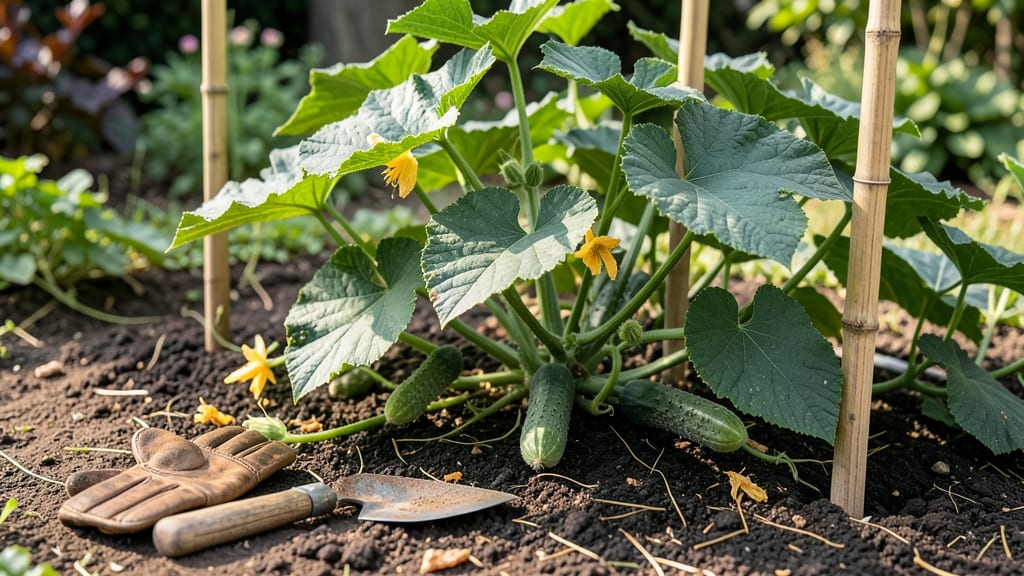
Plant cucumbers in Pennsylvania when the soil warms to 60°F and the last frost has passed — typically mid-May in most zones, but earlier in southern regions like Zone 7a.
Timing your cucumber planting in Pennsylvania can mean the difference between a bountiful harvest and wasted effort—especially with the state’s unpredictable spring frosts and varying USDA zones.
Too early, and a late frost will kill tender seedlings; too late, and the heat arrives before the vines produce. I’ve lost entire plantings to both mistakes, but the right window—paired with warm soil and full sun—sets you up for crisp, productive vines all summer.
Below, I break down the exact frost-free dates by zone, soil temperature tips, and how to stretch your harvest with succession planting or row covers.
Pennsylvania cucumber planting dates by USDA Zone 5b-7a
Pennsylvania's diverse USDA zones (5b through 7a) create unique planting windows for cucumbers, where timing directly impacts your harvest. In Zone 5b, cold snaps linger until late May, while Zone 7a gardeners can start as early as mid-April.
The key is planting when soil temperatures reach 60°F+ and all frost risk has passed.
For direct sowing, wait until after your area's last average frost date—typically late May in northern PA and early May in southern regions. Transplants can go in 2-3 weeks earlier since they're more established, but only if nighttime temps stay above 50°F.
Always check Penn State Extension for your county's specific frost data.
Cucumbers thrive in warm soil, so use a soil thermometer to confirm readiness.
If your garden feels cool to the touch, wait another week. Black plastic mulch can warm soil faster, helping you plant earlier in cooler zones like 5b. This simple trick can mean 3-4 weeks earlier planting in northern PA.
In Zone 5b, where late frosts are common, consider using burlap frost blankets to protect young plants. These lightweight covers raise soil temps by 5-10°F, allowing you to plant transplants 10 days earlier without risk.
For direct sowing, stick to the late May window—earlier plantings often rot in cold, wet soil.
Southern PA gardeners in Zone 7a can take advantage of succession planting for continuous harvests. Start your first batch around April 15, then sow every 2 weeks through June 15.
This staggered approach ensures cucumbers ripen throughout summer, preventing gluts and waste. Choose heat-tolerant varieties like 'Straight Eight' or 'Lemon Cucumber' for southern regions.
Always test your soil's pH level before planting—cucumbers prefer 6.0-6.8. Amend with compost or lime if needed, then mulch heavily with straw or grass clippings to retain moisture. In Zone 6b+, where summers get hot, provide afternoon shade to prevent sunscald on vines.
For container growing, use 5-gallon pots with trellises and plant 2 weeks after your zone's last frost date. Containers warm up faster than ground soil, so you can start 1 week earlier than in-ground plantings. Place pots in full sun locations and water daily during heatwaves to maintain consistent moisture.
Remember that microclimates matter—urban areas often warm up 1-2 weeks earlier than rural zones due to heat island effect. Observe your garden's specific conditions for 3 years to refine your planting schedule. Keep a garden journal noting when cucumbers germinate and produce fruit each year.
With proper timing, Pennsylvania gardeners can enjoy fresh cucumbers from July through September. Start with the right zone-specific window, monitor soil temps, and protect young plants from late frosts. Your effort will pay off with vigorous vines and
How to extend the cucumber growing season in Pennsylvania
Pennsylvania’s short growing season and unpredictable weather can cut cucumber harvests short—but with the right strategies, you can enjoy fresh slicing cucumbers and pickles from early summer to late fall.
Whether you're in urban Philadelphia or rural Lancaster County, these techniques will help you beat the clock and maximize your yield.
Start by choosing heat-tolerant varieties like 'Straight Eight' or 'Marketmore 76' that thrive in Pennsylvania’s hot summer temperatures. Pair them with season-extending tools to push your harvest window by 4-6 weeks on either end. Let’s break down the most effective methods for your specific microclimate.
- Use row covers to warm soil 2-3 weeks earlier than usual.
- Install cold frames for fall harvests until first frost.
- Plant succession crops every 2 weeks for continuous harvests.
- Choose dwarf varieties for container growing in urban areas.
- Mulch with straw or black plastic to retain soil heat.
For urban gardeners, container growing with heat-tolerant varieties is a game-changer. Use 5-gallon pots filled with lightweight potting mix and place them on patio heaters or near south-facing walls to extend warmth.
In rural areas, low tunnels or hoop houses can create a mini greenhouse effect, protecting plants from late frosts.
Succession planting is another key strategy. Instead of planting all your cucumbers at once, stagger seed sowing every 2 weeks from late May through early July. This ensures a steady supply of fresh cucumbers throughout the summer, even if early plantings fail due to heat stress.
Pair this with drip irrigation to keep roots consistently moist without overwatering.
Don’t overlook the power of mulching—whether you use black plastic mulch or organic straw, it warms the soil faster in spring and retains moisture longer in summer. For fall harvests, combine mulching with row covers to protect plants from early frosts.
In USDA Zone 6b, this can push your last harvest into mid-October.
Finally, monitor your local microclimate. Urban areas often experience heat islands, while rural spots may have cooler nights. Use a soil thermometer to track temperatures—cucumbers need soil at 70°F+ to germinate. Adjust your planting timeline based on real-time data from your garden, not just average frost dates.