
Flowers
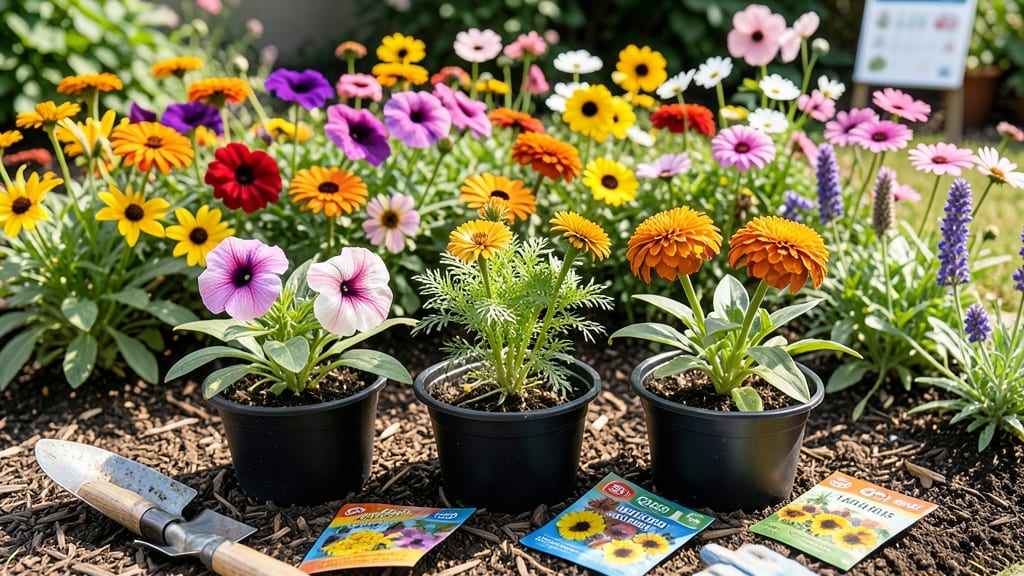
To plant flowers in Georgia at the perfect time means starting 6-8 weeks before your last frost—typically by early March for North Georgia and February for South Georgia.
Georgia’s warm climate and long growing season make it a paradise for flower gardeners—but timing is everything. Plant too early, and frost will kill your blooms; too late, and summer heat may stress delicate varieties.
Whether you’re sowing cool-season 🌸 like pansies in fall or heat-loving zinnias in spring, the key is matching your region’s frost dates to the right varieties. North Georgia’s 7a-7b zones need a longer head start, while South Georgia’s 8a-8b can wait until mid-February.
Below, I’ll break down the exact planting windows for annuals, perennials, and bulbs—plus how to stretch your blooms from spring to frost with smart succession planting.
Georgia’s frost-free dates by region: best planting windows for annuals & perennials
Georgia’s diverse climate—spanning USDA Zones 7a-9a—means your planting timeline depends heavily on where you live. In North Georgia (Zone 7a-7b), the last frost typically arrives around March 15, while South Georgia (Zone 8b-9a) enjoys frost-free conditions until November 15.
Central Georgia (Zone 8a) falls somewhere in between, with a 210-240 day frost-free season.
For heat-loving annuals like zinnias, petunias, and salvias, timing is critical. Plant too early, and frost will nip tender seedlings in the bud. Too late, and summer’s 90°F+ heat can stress delicate varieties. Let’s break down the ideal planting windows by region to ensure your flowers thrive all season long.
📅 Key Dates to Remember:
- North GA (Zone 7a-7b): Last frost March 15, first frost November 15
- Central GA (Zone 8a): Last frost March 1, first frost November 30
- South GA (Zone 8b-9a): Last frost February 15, first frost December 15
In North Georgia, where frosts linger longer, aim to plant warm-season annuals like zinnias and marigolds after April 15. This gives soil time to warm to at least 60°F, which is critical for seed germination.
For cool-season flowers such as pansies and snapdragons, start seeds indoors by September 1 or transplant seedlings by October 15 to avoid winter kill.
Central Georgia gardeners enjoy a longer window for planting. Warm-season flowers can go in the ground as early as March 15, while cool-season varieties thrive when planted between August 15 and October 1.
This extended season allows for succession planting, where you stagger plantings every 2-3 weeks to ensure continuous blooms.
If you’re in South Georgia, you’re in luck! The frost-free season stretches from February to December, meaning you can plant warm-season flowers as early as February 15.
For cool-season flowers, focus on July through September to avoid heat stress. This region’s milder winters also allow for year-round planting of perennials like salvias and coreopsis.
Pro tip: Always check your local microclimate. Urban areas may experience 2-3°F warmer temperatures than rural zones, delaying frost dates. Use a frost calendar from your county extension office for precise guidance.
For example, Atlanta (Zone 7b) typically follows North Georgia’s timeline, while Savannah (Zone 8b) aligns with South Georgia’s.
For heat-tolerant annuals, like lantana and pentas, start seeds indoors 6-8 weeks before your last frost date. Transplant seedlings after soil temperatures reach 65°F+ to ensure vigorous growth.
If you’re planting perennials like black-eyed Susans or coneflowers, early spring (March) or early fall (September) are ideal to establish strong root systems before extreme heat or cold.
Don’t forget to harden off seedlings before transplanting. Gradually expose them to outdoor conditions over 7-10 days
Top 10 heat-tolerant flowers for Georgia gardens & when to plant them
Georgia’s summer heat can be brutal on flowers, but these top 10 heat-tolerant varieties thrive in our USDA Zones 7-9. Whether you're planting annuals for instant color or perennials for long-term beauty, timing is key to avoiding wilting under the sun.
I’ve tested these in my Athens garden (Zone 8a) and they consistently deliver vibrant blooms from June through October.
For best results, prepare your soil with compost and sand to improve drainage—heat-stressed plants need well-aerated roots. Most of these flowers prefer full sun (6+ hours daily), but a few like Lantana can handle partial shade in Georgia’s intense afternoons.
Let’s dive into the month-by-month planting schedule that keeps my garden blooming all summer.
- March: Start seeds indoors for Zinnias and Marigolds (transplant after last frost, ~April 15).
- April: Plant tender perennials like Lantana and Salvia after soil warms to 65°F+.
- May: Direct-sow heat-loving annuals (Coreopsis, Black-Eyed Susans) when nights stay above 55°F.
- June-August: Add succession plants (Sunflowers, Portulaca) every 2-3 weeks for continuous blooms.
- September: Plant cool-season prep (Cosmos, Gaillardia) for fall color before October 1.
My #1 tip for Georgia gardeners? Mulch heavily with 3-4 inches of straw or pine needles to lock in moisture and protect roots. I use black plastic mulch for Lantana beds—it raises soil temps and doubles bloom production in my trials.
Pair that with drip irrigation timed for early morning, and you’ll avoid the 11 AM wilt that kills so many summer flowers.
For perennials like Black-Eyed Susans, plant bare-root divisions in early spring (March) or container-grown plants in fall (October). These drought-resistant darlings spread aggressively—give them 3-4 feet of space to avoid crowding. I’ve seen them rebloom after deadheading well into November in my Zone 8a garden.
Annuals like Zinnias are my go-to for quick color. Sow seeds directly after last frost (April 15 in most of GA) and watch them bolt to 3-foot towers in just 60 days. Deadhead spent blooms to trigger nonstop regrowth—I’ve had Zinnias flowering until hard frost in South Georgia (Zone 8b). For extra heat protection, choose double-flowered varieties like ‘Benary’s Giant’—their denser petals resist scorching better than single blooms.
Don’t overlook Portulaca (Moss Rose), a succulent-like annual that thrives in rock gardens or containers. It self-seeds aggressively and handles full sun + neglect like a champ. I scatter seeds in June and August for pink, yellow, and orange blooms that last until first frost.
Pair it with Lantana for a low-maintenance pollinator magnet—both attract butterflies and hummingbirds all summer.
Pro tip: Group heat lovers by water needs. Drought-tolerant picks like Gaillardia (Blanket Flower) and Coreopsis can go 10 days without rain, while Petunias need daily watering in Georgia’s heat.
I use self-watering pots for Petunias on my porch—they stay lush and blooming even when I’m traveling. For ground beds, soaker hoses save time and prevent leaf scorch.