
Plants
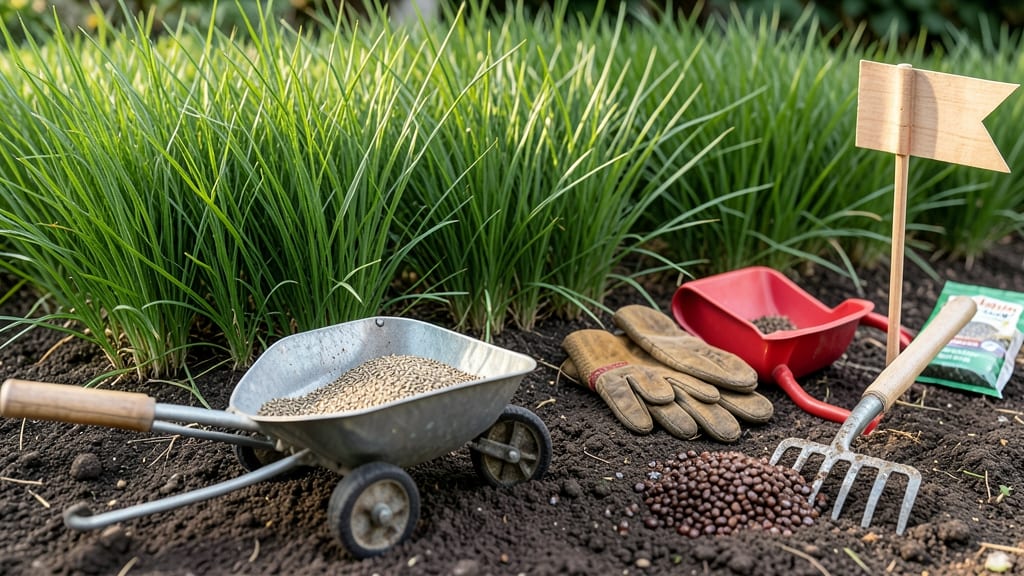
To plant grass seed in Kansas City at the right time means catching the 10-21 day germination window before summer heat or early frost strikes.
Kansas City’s unpredictable weather can turn your grass-seeding project into a gamble—unless you plant at the perfect time. Miss the window, and you’ll face frost damage, drought stress, or slow germination.
The ideal months are March–April for spring and September–October for fall, when soil temps hover between 50°F and 65°F—cool enough for seeds to sprout but warm enough to avoid frost.
Here’s how to time it right for a lush, weed-free lawn, including soil prep tips and Kansas City-specific resources to avoid common mistakes.
Best planting windows in Kansas City: soil temperature & frost date guide
Kansas City’s unpredictable spring and fall weather makes timing your grass seed planting critical. The last average frost date is April 15, while the first frost typically arrives around October 15. These dates create a 165-day growing window—but soil temperature matters just as much as frost dates.
Cool-season grasses like Kentucky bluegrass and tall fescue need soil temps of 50°F+ to germinate, while warm-season varieties like Bermuda thrive only when soil hits 65°F+.
For 2024, I recommend monitoring local forecasts from the Kansas State University Extension for adjustments. Early springs (like 2021) can push planting back to mid-April, while late falls (like 2020) may extend your window to early November.
The key is planting 4–6 weeks before the first frost or 4–6 weeks after the last frost—never in summer’s scorching heat or winter’s freeze.
Why these windows work: Early fall planting (September–October) gives seedlings time to establish deep roots before winter, while spring planting (March–April) avoids summer drought stress. Miss these windows, and you risk slow germination, weed competition, or frost damage to tender shoots.
| Planting Window | Soil Temp Requirement | Grass Types | Key Risks | Pro Tip |
|---|---|---|---|---|
| Early Spring (March–April) | 50°F+ (10°C+) | Kentucky Bluegrass, Tall Fescue, Perennial Ryegrass | Late frost damage, weed competition | Test soil moisture weekly—keep top 1" damp. |
| Early Fall (September–October) | 50°F+ (10°C+) | Cool-season grasses (same as above) | Early frost, slow establishment | Apply straw mulch (¼" thick) for frost protection. |
| Late Summer (August) | 65°F+ (18°C+) | Warm-season: Bermuda, Zoysia | Drought stress, poor germination | Water deeply twice daily for 2 weeks. |
| Avoid: Summer (May–July) | >75°F (24°C) | All cool-season grasses | Heat shock, fungal diseases | Wait for soil temps to drop below 75°F. |
If you’re planting in spring, aim for mid-March to early April when soil temps consistently stay above 50°F. Use a soil thermometer to verify—cool mornings can delay germination. For fall planting, late September is ideal, giving seedlings 4–6 weeks to root before frost.
In 2024, check the National Weather Service KC for 10-day forecasts to adjust your timeline.
For warm-season grasses like Bermuda, your window is narrow: late August to early September. Soil must be 65°F+, and you’ll need to water aggressively to prevent drought stress. These grasses go dormant in winter, so don’t plant them in fall—they won’t survive KC’s cold snaps.
Pro tip: Overseed in fall for a thicker lawn. Cool-season grasses grow 30% faster in fall’s mild temps, outcompeting weeds. Spread seed when forecasts show no rain for 24 hours, then lightly rake to ensure soil contact.
Use a slotted spreader for even coverage—5 lbs per 1,000 sq ft is standard for most KC lawns.
Watch for false springs (warm spells in winter) or late frosts (like the April 2021 freeze). If temps drop below 32°F after planting, cover seedlings with frost cloth or straw mulch. For real-time updates, follow the Kansas City PlantTalk Line at 785-532-6161 for localized advice.
Remember: Soil prep matters more than dates. Test your soil’s pH (6.0–7.0 is ideal for grass) and aerate compacted clay before seeding. Amend with compost if your soil is sandy or heavy.
With the right timing and prep, your KC lawn can go from bare patches to lush green in just 3–4 weeks.
Start planning now! Mark your calendar for September 15, 2024 (ideal fall planting date) and March 20, 2025 (spring target). Your future lawn will thank you—no more guessing games! 🌱
Cool-season vs. warm-season grasses: which thrives in Kansas City’s climate?
Kansas City’s USDA Zone 6a climate favors cool-season grasses like Kentucky bluegrass and tall fescue, which dominate local lawns. These varieties thrive in spring and fall when temperatures hover between 50°F–75°F, making them ideal for KC’s unpredictable weather.
Warm-season grasses like Bermuda or zoysia struggle here—they need consistent heat (75°F+) and go dormant in winter, leaving brown patches until summer.
Cool-season grasses establish roots before winter, giving them a head start in early spring. They handle KC’s hot summers better than warm-season types, which often burn out under prolonged drought.
For example, tall fescue tolerates shade and foot traffic, while Kentucky bluegrass spreads aggressively but needs more sunlight to stay thick. Warm-season grasses, though drought-resistant, won’t recover from winter freezes without help.
When to Plant Grass Seed in Kansas City
✅ Cool-Season Grasses
- Best Time: Early Fall (Sept) or Early Spring (April)
- Soil Temp: 50°F–75°F
- Pros: Hardy, fast germination, shade-tolerant
- Cons: Goes dormant in summer heat
❌ Warm-Season Grasses
- Best Time: Late Spring (May) or Early Summer (June)
- Soil Temp: 65°F+
- Pros: Drought-resistant, stays green in summer
- Cons: Dies back in winter, slow to recover
KC Tip: Plant cool-season 4–6 weeks before first frost (Oct 15) for best results.
If you’re transitioning between cool and warm-season grasses, timing is critical. For example, overseeding Bermuda with tall fescue in late summer risks frost damage before roots establish. Instead, mow Bermuda short in August, then seed tall fescue in September when temps drop below 85°F.
This avoids competition and gives cool-season grass time to take hold before winter.
Shade performance varies too. Fine fescue (a cool-season type) handles partial shade better than Kentucky bluegrass, which needs at least 5 hours of sun daily. In KC’s urban areas, where trees cast morning shade, mix tall fescue (sun-tolerant) with fine fescue (shade-tolerant) for a balanced lawn.
Warm-season grasses like zoysia can survive light shade but yellow in deep shade.
For drought tolerance, Bermuda and zoysia win in summer, but they require overseeding in winter to avoid bare spots. Cool-season grasses like tall fescue stay green longer in fall and recover faster after drought.
If you’re in south KC, where summers are hotter, consider tall fescue blends with 10–20% Bermuda for hybrid resilience.
My top recommendation for KC lawns? Tall fescue or a Kentucky bluegrass/tall fescue mix. They handle KC’s extremes—hot summers, cold winters, and unpredictable rain—better than any warm-season grass.
Plant in early fall for maximum root growth before winter, and you’ll have a lush lawn by spring. Just avoid summer seeding—that’s a recipe for failure in this climate! 🌱