
Plants
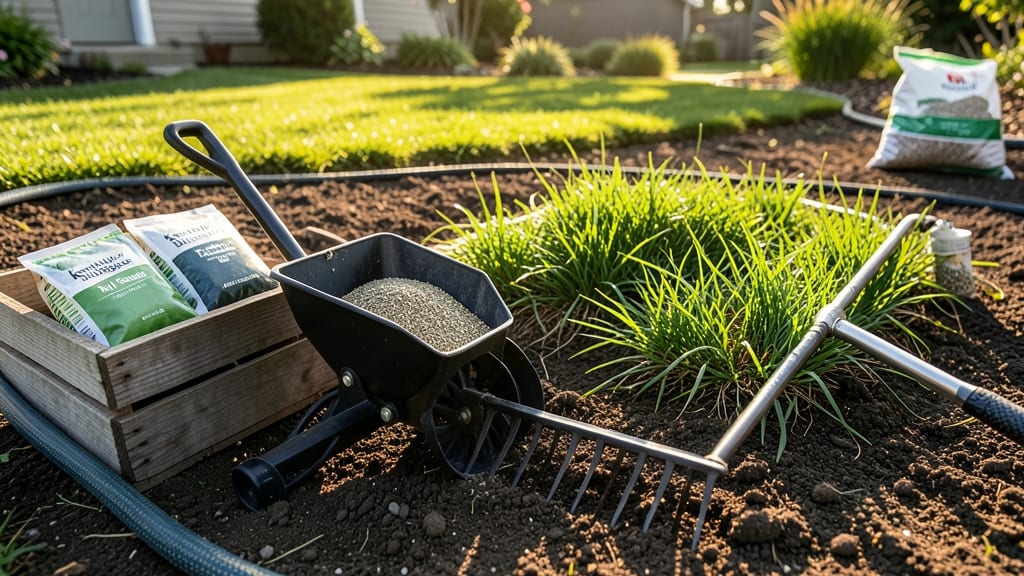
Planting grass seed in Nebraska’s spring means timing it for soil temperatures between 50–65°F—a window that shifts from west to east across the state.
Nebraska’s unpredictable spring weather can turn your grass-seeding plans into a gamble—unless you know the exact soil temperature window for peak germination. Miss it, and you’ll waste seeds or invite weeds. Get it right, and you’ll have a lush lawn before summer.
For most of Nebraska’s 5a–6b zones, that means waiting until late April or early May, when daytime highs consistently hit 60°F and morning frost is a fading memory.
Cool-season grasses like Kentucky Bluegrass and Tall Fescue thrive in these conditions, but even a few degrees off can mean slower germination or patchy growth.
Below, I’ll walk you through how to test your soil temperature, adjust for your specific Nebraska region, and avoid the three most common mistakes that turn hopeful lawns into weed magnets. Ready to plant with confidence?
Best soil temperatures for planting grass seed in Nebraska’s spring zones
Nebraska’s spring soil temperatures can vary dramatically between Omaha, Lincoln, and rural areas, making timing critical for grass seed germination. Most cool-season grasses (like Kentucky Bluegrass and Tall Fescue) thrive when soil reaches 50–65°F, while warm-season varieties (like Bermuda) prefer 65–75°F.
Since Nebraska spans USDA Zones 4a–6b, your local microclimate dictates the perfect window.
In Zone 4a (western NE), soil warms slowly—wait until mid-April for 50°F+ consistency. Meanwhile, Zone 6b (southeast NE) may hit ideal temps by late March. Rural areas often lag behind cities due to cooler nighttime temps, so adjust your schedule accordingly.
Testing soil temperature with a soil thermometer (inserted 2–3 inches deep) is the only foolproof way to avoid guesswork.
Here’s how Nebraska’s three key regions break down for spring planting:
If your soil temp dips below 50°F, germination slows dramatically, and seeds may rot. Conversely, temperatures above 70°F can stress cool-season grasses, leading to thin, weak growth. For accuracy, test soil at 6 AM and 6 PM—if temps fluctuate by 10°F+, wait another week.
Pro tip: Dark-colored soil absorbs heat faster; mulch lightly with straw to stabilize temps.
Nebraska’s spring frost risk adds another layer. Even if soil hits 60°F, a late frost (common until April 15) can kill tender seedlings. Plant Tall Fescue first—it’s the most frost-tolerant cool-season grass.
For Kentucky Bluegrass, wait until after April 1 to minimize risk. Rural areas with higher elevations (like Chimney Rock) may need to delay until mid-April.
Don’t rely on air temperature alone—soil stays 10–15°F cooler than the air. Use a soil thermometer (available for $10–$15 at garden centers) to check 2–3 inches deep, where seeds will germinate. For fastest results, aim for 55–60°F—this range balances germination speed and frost risk.
If your soil is too cold, cover the area with black plastic mulch for 3–5 days to warm it 5–10°F faster.
Once planted, maintain consistent moisture—soil should stay evenly damp (not soggy) until germination (
5 Critical factors that determine your planting timeline in Nebraska
Soil temperature gets all the attention, but Nebraska’s spring planting success hinges on five key factors beyond thermometers. I’ve planted grass seed for over a decade in this state, and I’ve learned the hard way that ignoring these can turn your lawn dreams into a weed-filled disappointment.
Let’s break down what truly matters before you grab that seed spreader.
First, moisture levels are non-negotiable. Nebraska’s spring winds can dry out soil faster than you’d think. I always check if the top 2 inches of soil stay damp to the touch—if it’s dry, your seeds will bake before sprouting.
This is especially critical in western Nebraska, where irrigation is often necessary even in spring.
Here’s what you absolutely must consider before planting:
- 1 Soil Moisture: Wait until morning dew disappears—this signals stable moisture. Use a soil moisture meter if unsure; Nebraska’s clay soils can fool you.
- 2 Frost Risk: Plant 2–3 weeks after your area’s last average frost date (Omaha: mid-April; Lincoln: late April). Check the Nebraska State Climate Office for your county’s data.
- 3 Seed Type: Cool-season grasses (like Kentucky Bluegrass) thrive when soil hits 50–65°F. Warm-season (e.g., Bermudagrass) wait until 65–75°F—usually late May in Nebraska.
- 4 Microclimates: South-facing slopes warm up 1–2 weeks earlier than shaded yards. Test your spot with a soil thermometer for 3 days to confirm consistency.
- 5 Weed Competition: If weeds are already sprouting, they’ll outcompete your grass. Pre-emergent herbicide 2 weeks before planting is a game-changer in Nebraska’s weed-prone soils.
Let me share a pro tip: I once planted tall fescue in early April in Lincoln because the soil hit 55°F. The seeds sprouted beautifully—until a late frost hit two weeks later and wiped out half the seedlings.
That’s why I now cross-check soil temp with the National Weather Service’s frost prediction for my area.
Don’t overlook local microclimates, either. My neighbor in rural southeast Nebraska plants his grass seed 2 weeks earlier than I do in Omaha because his yard stays warmer at night. A simple 5-minute walk with a thermometer around your property can reveal these hidden differences.
Finally, seed type matters more than you think. Cool-season grasses like Kentucky Bluegrass germinate in 7–14 days at ideal temps, while warm-season Bermudagrass takes 14–21 days. Planting the wrong type at the wrong time is like throwing money into the wind—literally.
I’ve seen homeowners in Nebraska’s Panhandle region struggle because they planted cool-season grass too late, only to have it bolt in the summer heat.
Timing your Nebraska grass seeding right isn’t rocket science, but it does require checking these five factors like a hawk. When you nail them, you’ll watch those first green shoots push through the soil like clockwork—no guesswork, no regrets.
That’s the difference between a lush lawn and a weed-infested disappointment. 🌱