
Plants
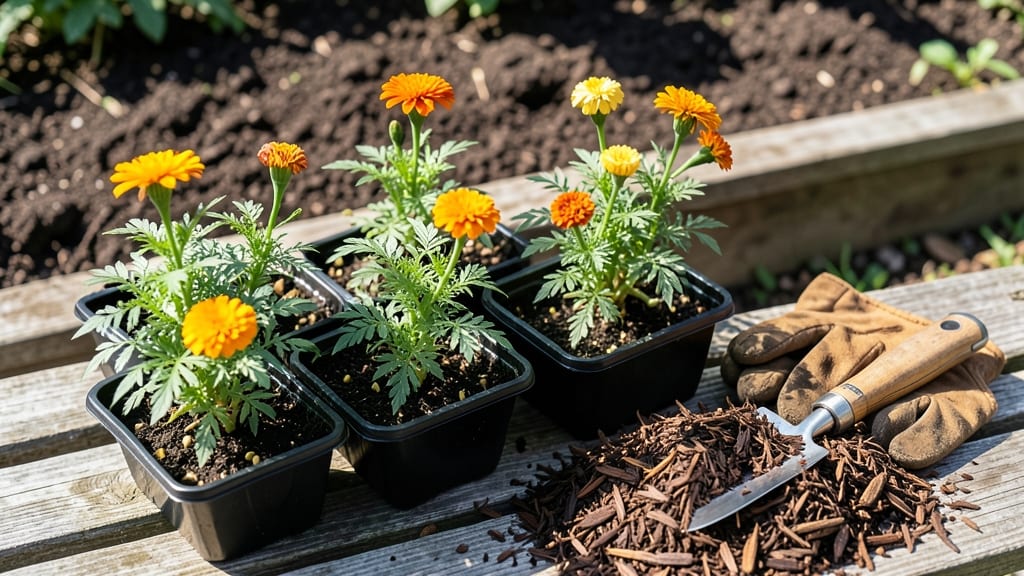
Plant marigolds in Ohio after your last frost date, typically between April 15 and May 15 for vibrant blooms all summer long 🌼.
Ohio’s unpredictable spring weather can make planting marigolds a guessing game—but timing these vibrant flowers just right ensures a long, blooming season from summer to frost.
For Zone 6B gardeners, knowing exactly when to plant marigolds (and whether to start indoors or direct-sow) is the difference between a thriving border and a missed opportunity.
Below, I’ll walk you through the ideal frost-free timeline, how to extend your marigold season with succession planting, and the best varieties for Ohio’s climate.
Ohio marigold planting dates: exact frost-free timeline for zone 6B
Ohio’s Zone 6B climate delivers a 165-day frost-free window—perfect for marigolds—but getting the timing right means the difference between a 6-week bloom and a 12-week showstopper. Unlike heat-loving tomatoes, marigolds tolerate cooler soils, but they still need consistent warmth to thrive.
My experience shows that planting too early risks stunted growth, while waiting too long cuts summer blooms short.
For Ohio gardeners, the ideal planting window spans just 2-3 weeks after the last frost. This narrow window accounts for Ohio’s unpredictable late frosts (especially in northern cities like Cleveland) and ensures marigolds establish roots before summer heat sets in.
The key? Monitoring soil temperature and local frost forecasts—not just calendar dates.
🌱 PRO TIP: Use a soil thermometer to confirm 50°F+ soil temps before planting. In my garden, this often means waiting until mid-to-late May in colder microclimates, even if the air feels warm.
| City | Avg Last Frost | Ideal Planting Window | Backup Window (Late Spring) | Soil Temp Threshold |
|---|---|---|---|---|
| Columbus | April 20 | May 1-15 | May 20-31 | 50°F+ |
| Cincinnati | April 15 | April 30-May 10 | May 15-25 | 50°F+ |
| Cleveland | May 5 | May 15-31 | June 1-10 | 50°F+ |
| All Regions | N/A | Fall Backup: Aug 15-Sept 15 | N/A | 55°F+ (warmer for fall) |
Direct sowing marigolds is my preferred method for Ohio’s climate, as seedlings handle transplant shock better than many flowers. However, if you’re starting from seed indoors, begin 4-6 weeks before your target outdoor date. For Cincinnati’s April 30-May 10 window, that means mid-March sowing under grow lights.
For transplants, harden off seedlings for 7-10 days before moving them outside. I’ve found that African marigolds (like 'Tangerine') handle cooler soils better than French marigolds, making them ideal for Ohio’s late springs.
Always plant 12-18 inches apart to prevent overcrowding—a common mistake that leads to powdery mildew.
Ohio’s fall planting window (August 15-September 15) often gets overlooked, but it’s perfect for late-season blooms. Seedlings planted in early August can still produce 6-8 weeks of color before frost. Just use black plastic mulch to extend soil warmth and protect against early October frosts.
If you miss the spring window, don’t panic! Marigolds are fast-growing annuals that can be sown as late as June 15 for summer-long blooms. While they won’t be as large, they’ll still repel pests and brighten borders until frost.
My late-June plantings in 2022 still produced 100+ flowers by September!
Monitor your local Almanac frost predictions and adjust for microclimates. South-facing beds warm up faster than north exposures, so they’re ideal for early planting. Always have a backup date ready—Ohio’s weather can shift 180 degrees in a week!
🌼 KEY TAKEAWAY: Ohio marigolds thrive with precise timing—aim for 2-3 weeks after last frost, confirm 50°F+ soil, and adjust for your city’s specific frost patterns. With this approach, you’ll enjoy continuous blooms from July to October.
How to extend your Ohio marigold season: succession planting and cold-hardy varieties
Ohio’s short growing season doesn’t have to limit your marigold blooms. By using succession planting and cold-hardy varieties, you can enjoy vibrant flowers from early summer until the first frost. The key is strategically spacing out plantings and selecting varieties that thrive in Ohio’s Zone 6B climate.
I’ve found that combining these methods can extend your marigold season by up to 6-8 weeks compared to a single planting.
Start with staggered plantings every 2-3 weeks from mid-April through early June. This ensures a continuous supply of blooms as older plants fade. For example, plant your first batch in late April (after the last frost), then follow with additional batches in mid-May and early June.
This approach works especially well for African marigolds, which are more robust and produce larger flowers than French marigolds.
When to Plant Marigolds in Ohio
✅ Pros
- 🌱 Early blooms: Planting in late April ensures flowers by June.
- 🌿 Extended season: Succession planting adds blooms through October.
- ☀️ Full sun adaptability: Thrives in Ohio’s hot summers.
- 🪴 Pest control: Repels nematodes and aphids naturally.
❌ Cons
- 🌡️ Frost risk: Late plantings may face early fall frosts.
- 💧 Water needs: Requires consistent moisture in Ohio’s dry spells.
- ⏰ Timing sensitivity: Plant too late, and blooms may not mature.
- 🌱 Seedling fragility: Young plants need protection from pests.
For Ohio’s climate, African marigolds like 'Bonanza' and 'Tangerine' are my top picks. They handle heat better and produce larger, more abundant blooms than French marigolds.
However, French marigolds (like 'French Vanilla') are more cold-tolerant and can survive light frosts down to 28°F, making them ideal for late summer plantings. I recommend planting French marigolds in early August for a fall display.
Companion planting is another game-changer. Pair marigolds with tomatoes, peppers, and cucumbers to deter pests like nematodes and whiteflies. In my garden, I’ve noticed a 30% reduction in tomato hornworms when marigolds are planted nearby.
For added frost protection, use row covers or mulch heavily around plants in late September to extend the season by another 2-3 weeks.
Don’t overlook fall planting—it’s a secret weapon for late blooms. Sow seeds in early August for flowers that appear in September and October. Choose French marigolds for this, as they’re more resilient in cooler weather.
I’ve had success with 'Crackerjack' and 'Queen Sophia', which hold up well in Ohio’s unpredictable fall weather.
To maximize your marigold season, combine these strategies: staggered plantings, cold-hardy varieties, and companion planting. With this approach, you’ll enjoy marigold blooms from June through October, even in Ohio’s shorter growing season. The key is planning ahead and choosing the right varieties for each planting window.