
Plants
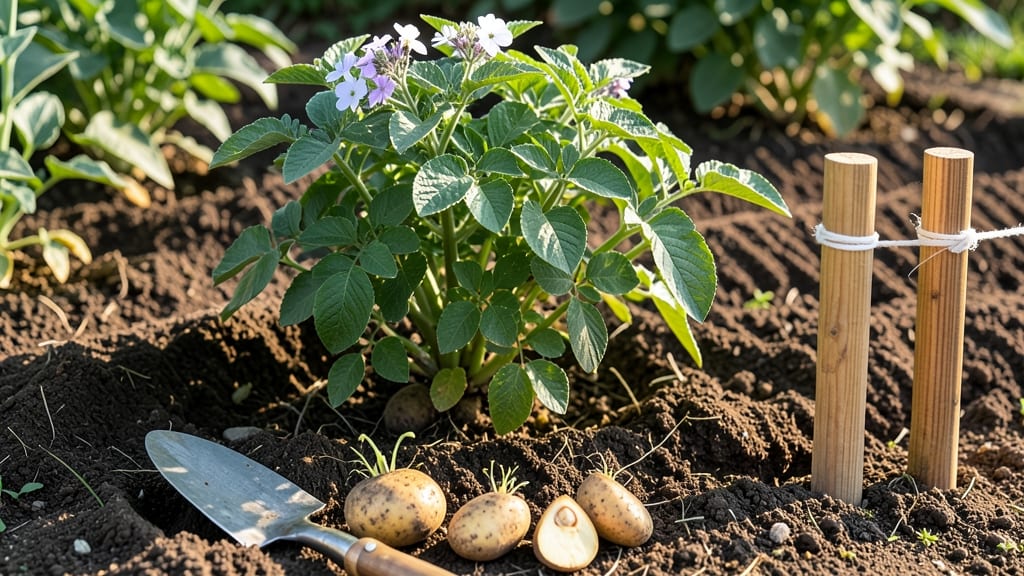
Planting potatoes in Northern California at the right time ensures a thriving harvest—miss the window, and you risk stunted growth or even total crop failure, especially with the region’s unpredictable frost patterns.
If you’ve ever watched your 🥔 plants wilt under a late frost or struggle to mature in the heat, you know timing is everything. The Bay Area’s coastal chill, Sacramento’s inland warmth, and the Sierra foothills’ microclimates all demand different strategies.
This guide breaks down the exact planting windows for your USDA 8a-9b zone, from soil temperature thresholds to frost-free date maps, so you can plant with confidence—whether you’re growing early Yukon Golds or late-season Reds.
You’ll learn how to adjust for your microclimate, when to start chitting your seed potatoes, and how staggered planting can stretch your harvest from June through September.
Northern California potato planting zones: frost dates by region
Northern California's diverse climate means frost dates vary dramatically between regions—from coastal areas with mild winters to inland valleys with sudden cold snaps. Understanding these microclimates is key to timing your potato planting for maximum success.
The Bay Area and coastal regions typically experience last frost dates in late February to early March, while Sacramento Valley and Sierra foothills can see frost lingering until mid-March or even early April.
For early varieties, I recommend planting 4-6 weeks before your last frost date to ensure tubers develop before summer heat sets in. Late varieties can wait until soil warms to 50°F (10°C), usually around mid-March in most zones.
Coastal areas like Santa Cruz or Sonoma often have earlier planting windows due to milder winters, while higher elevations may need to delay until after April 15 to avoid late frosts.
Here’s how frost-free dates break down by region, along with ideal planting windows for both early and late varieties:
In the Bay Area, I’ve had success planting Yukon Gold as early as mid-January under row covers to protect against late frosts. Meanwhile, in Sacramento, waiting until mid-March ensures the soil is warm enough for Red LaSoda to thrive without risking frost damage.
For Sierra foothills, I recommend staggered planting—start with early varieties in March and follow up with late varieties in April to extend your harvest window.
One critical mistake I’ve seen gardeners make is planting too early in cooler microclimates, like the Russian River Valley. Cold, wet soil can cause seed potatoes to rot before sprouting.
To avoid this, always check soil temperature with a thermometer—aim for 45°F (7°C) or higher. If your soil is still cold, wait or use black plastic mulch to warm it faster.
For coastal gardeners, another trick is to plant early varieties in containers and move them to a sunny patio once nights warm up. This gives you flexibility to adjust for unpredictable coastal fog. Inland areas, like Mod
Optimal planting timing for Northern California potatoes: soil temp and microclimate adjustments
Timing your potato planting in Northern California isn't just about the calendar—it's about soil temperature and your local microclimate. Potatoes need consistent warmth to germinate, but late frosts can still sneak in, especially in inland valleys or higher elevations.
I’ve learned the hard way that planting too early in chilly coastal areas or too late in frost-prone foothills can ruin an entire season.
For most of Northern California (USDA zones 8a-9b), aim to plant when soil temperatures reach a steady 50°F (10°C) at least 6 inches deep. This typically falls between mid-February and early April, depending on your exact location.
Coastal areas like San Francisco can plant earlier (as early as January), while inland spots like Sacramento may need to wait until late March.
- 🌡️ Soil Temp Check: Use a soil thermometer to confirm 50°F+ at 6" depth before planting. Cold soil delays germination and invites rot.
- 📅 Microclimate Adjustments: Coastal areas (e.g., Santa Cruz) can plant 2-3 weeks earlier than inland valleys (e.g., Stockton) due to milder winters.
- ❄️ Frost Risk: Avoid planting within 4-6 weeks of your average last frost date. Check local frost calendars—some inland spots frost as late as April 15.
- 🌱 Chitting Prep: If planting early, chit your seed potatoes (sprout in light) for 2-3 weeks before soil warms up. This jumpstarts growth in cooler microclimates.
- 🔄 Extend the Season: For late harvests, use black plastic mulch or row covers to protect tubers from early fall frosts (common after October 15).
Northern California’s microclimates can vary dramatically even within a few miles. For example, the Russian River Valley might be frost-free by February 15, while the Sacramento Valley could still see frosts in early April.
To hedge your bets, I recommend planting early varieties (like Red LaSoda) in cooler zones and late varieties (like Yukon Gold) in warmer inland areas
If you’re in a higher-elevation microclimate (e.g., Sierra foothills), consider using row covers or planting in south-facing slopes to capture extra warmth. I’ve also had success with container growing in colder pockets—just ensure your pots have drainage holes and use heat-absorbing materials like black fabric wrapped around the sides. One of my biggest mistakes was planting too late in a coastal microclimate (thinking I had more time). The result? Stunted growth and small tubers because the plants didn’t have enough time to mature before summer heat set in. Now, I always double-check soil temps and adjust my planting date accordingly. For late-season extensions, I’ve started planting second crops in May using fast-maturing varieties like New Potatoes for a fall harvest. Pro tip: Monitor your local weather and use frost prediction tools (like the National Weather Service’s frost alerts). In Northern California, radiation frosts can occur even in USDA Zone 9 during cool, clear nights. If frost is forecasted, cover your plants with frost blankets or old bedsheets to protect tender sprouts. With the right timing and adjustments, you’ll avoid the heartbreak of frost-nipped potatoes and enjoy a bountiful harvest instead. 🌱