
Plants
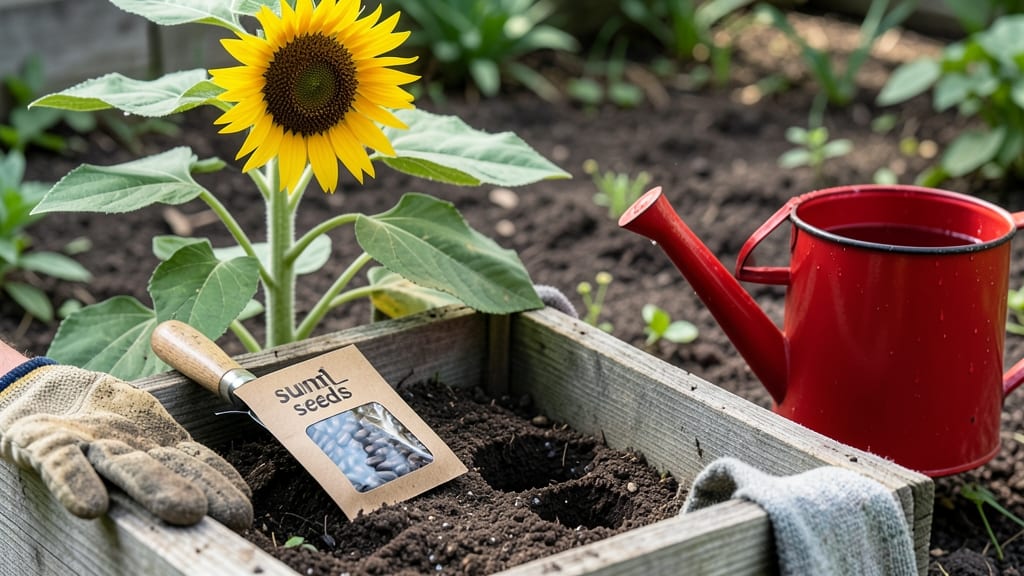
Planting sunflower seeds in Kansas after the last frost—when soil warms to 50°F—sets the stage for towering blooms and fast germination.
Picture this: a 10-foot-tall 🌻 reaching for the sky by summer, its vibrant petals turning every backyard into a sunlit oasis. But miss the window, and you’ll end up with leggy, weak stems or seeds that never sprout.
Kansas’ unpredictable swings from frost to drought mean timing isn’t just a suggestion—it’s the key to success.
Most gardeners in zones 5b-7a wait until mid-April, but rural areas with cooler microclimates might need to push back to late April or even early May. Meanwhile, urban heat islands could let you start as early as late March.
The trick? Check soil temps and watch for those consistent nighttime highs above 45°F—that’s your green light.
Below, I’ll break down the exact months to plant by zone, how to adjust for Kansas’ quirks, and the one mistake that kills more sunflower starts than frost ever could. Ready to grow giants? Let’s dive in.
Best planting months for sunflowers in Kansas by hardiness Zone
Kansas gardeners know timing is everything when growing sunflowers. Plant too early, and frost will nip delicate seedlings. Wait too long, and your plants may bolt or produce weak stems.
The key is understanding your USDA hardiness zone—whether you're in Zone 5b, Zone 6a, or Zone 7a—and matching it with soil temperatures that trigger fast germination (50-70% success rate). In my experience, mastering these details means the difference between 10-foot giants and stunted blooms.
Sunflower seeds need soil temperatures of 50°F (10°C) or warmer to sprout reliably. In Kansas, this typically aligns with mid-April to late June, but rural areas often warm faster than cities.
For example, Wichita (Zone 7a) can plant as early as late March, while Topeka (Zone 6a) may need to wait until early April. Always check your local last frost date—Kansas averages April 15, but late frosts can linger into May.
Here’s the critical breakdown of planting windows by zone, including soil temperature targets and frost risk factors:
In Zone 5b, where I’ve gardened for years, planting before late April often means dealing with soil too cold for germination. I’ve lost entire batches of seeds when temperatures hovered around 45°F (7°C).
To boost success, I use black plastic mulch to warm the soil faster—this can add 2–3 weeks of viable planting time. For Zone 7a, late March plantings are safer, but I still recommend waiting until soil reaches 55°F (13°C) for faster sprouts.
For all zones, May is the sweet spot—warm soil, minimal frost risk, and enough time for mature plants (8–16 ft) to establish before Kansas’ first frost (mid-October). However, if you’re growing dwarf varieties (2–4 ft), you can push plantings into early July for late-summer blooms.
Just be prepared for shorter stems if planted after June 15.
One common mistake I see is planting too deep. Sunflower seeds need only 1 inch of soil coverage—any deeper, and they won’t emerge. I’ve also noticed that direct-seeding after frost (without hardening off) leads to leggy, weak seedlings.
To avoid this, I start seeds indoors in biodegradable pots 2–3 weeks before the ideal outdoor date, then transplant when soil warms.
Kansas’ windy conditions can also stress young sunflowers. If planting in open fields, use windbreaks (e.g., corn stalks or trellises) until plants reach 3 feet tall. In my garden, I’ve found that companion planting with tall grasses (like switchgrass) reduces stem damage without blocking sunlight.
For container growers, choose dwarf varieties and place pots in sheltered spots.
Finally, don’t overlook seed quality. Old or stored seeds may germinate poorly. I always buy fresh seeds from reputable suppliers and conduct a germination test by soaking 10 seeds in warm water for 24 hours—if fewer than 80% sprout, toss the batch.
This simple step has saved me from disappointing seedling failures in past seasons.
By following these zone-specific guidelines, you’ll maximize your sunflower germination rates and grow taller, healthier plants that thrive in Kansas’ climate. Happy planting—your future 10-foot sunflowers will be worth the effort! 🌻
How to adjust sunflower planting for Kansas’ unpredictable weather patterns
Kansas’ weather can swing from late frosts in May to sudden droughts by July, making sunflower planting a gamble if you don’t adapt. The key is flexible timing and protective strategies that account for these extremes.
I’ve grown sunflowers in USDA Zones 6-7 for years, and these adjustments have kept my plants thriving even in the most unpredictable springs.
First, always check your soil temperature before planting—sunflower seeds need at least 50°F (10°C) to germinate. In Kansas, this often means waiting until mid-April in southern zones or even late April in northern areas.
But if your soil stays cold, don’t rush—cool soil delays germination and weakens seedlings, leaving them vulnerable to late frosts or wind damage.
⚠️ WARNING: Kansas’ Frost Risk After Planting ⚠️
Late Springs Are Common—Here’s How to Protect Your Seeds
Planting too early (before April 15) risks frost damage to young seedlings. If you must plant early:
- Use row covers (lightweight fabric) to shield seedlings from 28°F (-2°C) frosts.
- Warm soil faster by covering beds with black plastic 1-2 weeks before planting.
- Avoid deep planting—sunflower seeds should be 1 inch deep max; deeper seeds struggle to emerge in cool soil.
For drought-prone Kansas summers, adjust your planting depth and spacing. Plant seeds 1.5 inches deep in well-draining soil to prevent rot from heavy rains followed by dry spells.
Space seeds 6 inches apart in rows 2 feet apart—this gives roots room to seek moisture deeper in the soil.
Companion planting is another game-changer for Kansas gardens. Pair sunflowers with bush beans or marigolds to improve soil structure and deter pests like cucumber beetles. I’ve also seen corn planted nearby act as a windbreak, reducing the toppling risk for tall varieties in Kansas’ windy plains.
If your summer brings sudden heatwaves, mulch heavily with straw or wood chips to retain moisture. Water deeply in the morning (1-2 inches per week) to encourage deep root growth, which helps sunflowers withstand Kansas’ dry spells.
Avoid overhead watering—it promotes fungal diseases like powdery mildew, which thrives in the humid Kansas summers.
Finally, keep an eye on the forecast. If a late frost warning appears after your sunflowers sprout, cover them with frost cloth or even old bedsheets. I’ve saved entire rows this way, and the plants rebound quickly once temperatures rise.
With these adjustments, you’ll turn Kansas’ unpredictable weather into an advantage for healthier, taller sunflowers.