
Flowers
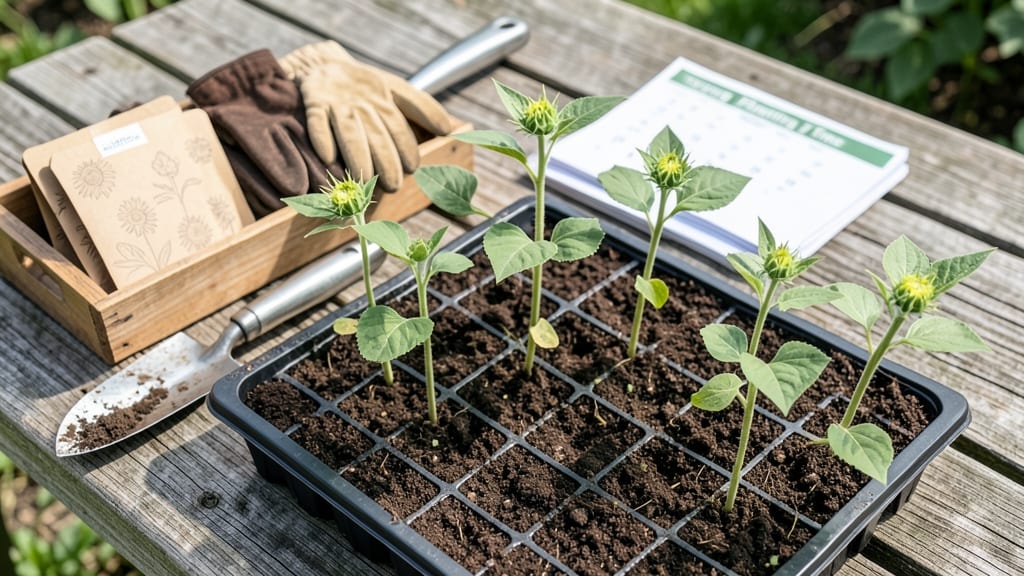
To plant sunflowers in California, aim for March through October in inland zones or February through November along the coast—where frost is rare and the sun shines year-round.
Sunflowers thrive in California’s warm climate—but planting them at the wrong time can mean wilted dreams instead of towering blooms. Discover the exact windows for zero-frost zones to ensure your sunflowers reach their full, sun-drenched potential.
Coastal gardeners can start as early as February, while inland areas should wait until March to avoid late frosts that can stunt growth. The key is soil warmth—wait until temperatures stay above 55°F before sowing seeds directly.
Below, I’ll break down the best months by region, share tips for choosing the right sunflower varieties, and help you avoid common mistakes that turn vibrant blooms into flopped stems.
Best months to plant sunflowers in California’s zero-frost zones
California’s zero-frost zones (USDA 9a-11) create perfect conditions for sunflowers, but timing matters. Unlike frost-prone regions, you avoid late-winter chills entirely—but heat and drought can still stress young plants. The key is planting when soil temperatures hit 55°F (13°C) and aligning with your microclimate (coastal vs. inland).
Southern California’s coastal areas (like San Diego) enjoy year-round growing seasons, while inland desert zones (e.g., Palm Springs) face intense summer heat. Central Coast regions (Santa Barbara to Monterey) offer a moderate balance.
Below, I’ll break down the optimal planting windows for each zone to maximize flowering and seed production.
Why timing matters: Planting too early in Southern California risks overly lush foliage with fewer blooms, while inland areas must avoid June heatwaves that can scorch seedlings. The 60-90 day growth cycle of most sunflowers means late summer plantings may not bloom before frost (though rare in these zones).
| Region | Best Planting Months | Soil Temp Threshold | Key Considerations | Expected Bloom Time |
|---|---|---|---|---|
| Southern CA (Coastal: LA, San Diego) | Feb–Mar, Sep–Oct | 55–60°F (13–16°C) | Avoid June Gloom fog; use dwarf varieties for fall plantings. | May–June, Nov–Dec |
| Central CA (Santa Barbara, Monterey) | Mar–Apr, Aug–Sep | 60–65°F (16–18°C) | Stagger plantings to avoid heat stress in July–Aug. | June–July, Oct–Nov |
| Inland Desert (Palm Springs, Coachella) | Mar–Apr, Sep–Oct | 65–70°F (18–21°C) | Use shade cloth for seedlings; late summer plantings risk bolting. | May–June, Nov |
| Northern CA (Sacramento, Bay Area) | Apr–May, Aug | 60°F (16°C) | Succession plant every 2 weeks for continuous blooms. | July–Aug, Oct |
For Southern California’s coastal zones, I recommend starting seeds indoors in late January for February transplants—this gives you a head start before spring rains taper off.
Inland desert areas should avoid planting after June 15, as 100°F+ temperatures can cause bolting (premature flowering) or seedling death.
In Central Coast regions, where June Gloom and Santa Ana winds create unpredictable weather, I’ve had the most success with two planting waves: early spring (March) and late summer (August). This staggered approach ensures blooms from June through November, even in USDA Zone 9b.
Northern California’s zero-frost pockets (like Sacramento Valley) allow for April–May plantings, but watch for late spring frosts—though rare, they can still occur in Zone 9a. For giant varieties (like Mammoth), plant in April to ensure they mature before summer heat slows growth.
Pro tip: Use a soil thermometer to confirm 55°F (13°C) soil temps before planting. In sandy desert soils, seeds may dry out faster—consider mulching with straw to retain moisture. For coastal gardens, where humidity is higher, prioritize well-draining soil to prevent root rot.
Remember, sunflowers are annuals in California, so succession planting
How to adjust planting time for sunflower varieties and mature height
Not all sunflowers are created equal—and neither are their planting timelines! Dwarf varieties (3–5 ft) can handle late starts, while giant sunflowers (10+ ft) need early planting to reach their towering potential. In California’s zero-frost zones, this flexibility lets you extend your blooming season.
Taller sunflowers require longer growing seasons to mature, so I always plant them in early spring (March–April) for coastal areas or late winter (February) inland. Dwarf varieties, however, can wait until May or even June without sacrificing bloom time.
Heat tolerance plays a key role here. Giant sunflowers like 'Mammoth' or 'Russian Giant' need cooler early growth to establish strong stems. Dwarf types like 'Teddy Bear' or 'Little Becka' thrive in summer heat and even perform better with delayed planting.
| Variety Type | Mature Height | Best Planting Window | Heat Tolerance | Staggered Planting Tip |
|---|---|---|---|---|
| Giant | 10–16 ft | Feb–April | Moderate | Plant in 3 batches, 2 weeks apart |
| Standard | 5–8 ft | March–May | Good | Add 1–2 batches in June |
| Dwarf | 2–5 ft | April–June | Excellent | Plant monthly for continuous blooms |
For continuous blooms, I use a staggered planting strategy. Giant sunflowers get 3 plantings (Feb, March, April), while dwarf varieties can handle monthly sowings from April through June. This ensures non-stop color from summer through fall.
Pro tip: Monitor soil temps—sunflowers need 55°F+ to germinate. Use a soil thermometer to avoid delays. In Southern California, even July plantings work for dwarf types, while Northern coastal areas should stick to spring.
Adjusting planting times based on height isn’t just about timing—it’s about maximizing your garden’s potential. With the right variety and schedule, you’ll enjoy sunflowers from June to November, even in California’s diverse climates. 🌻