
Flowers
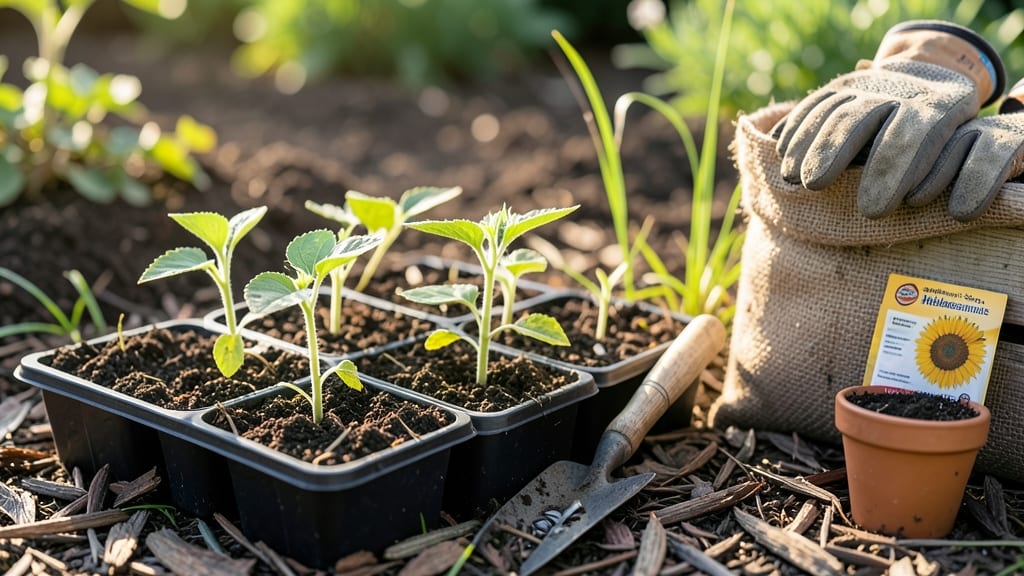
Planting sunflowers in East Tennessee after the last frost—typically mid-April—gives them the full growing season they need to reach their towering heights 🌻.
Miss that window, and you risk stunted growth or frost damage, especially in cooler USDA Zone 7a areas. But with the right timing, you’ll get vibrant blooms that thrive in the region’s warm summers.
Below, I’ll break down the best planting dates for Zones 7a and 7b, whether to direct-sow or start indoors, and how to adjust for high-altitude areas where frosts linger longer.
You’ll also discover the best sunflower varieties for East Tennessee and how to extend the season for fall planting—so you can enjoy these cheerful giants from spring to early autumn.
Optimal sunflower planting dates in East Tennessee by USDA Zone 7a/7b
Sunflowers thrive in East Tennessee’s USDA Zones 7a and 7b, but timing your planting is critical to avoid frost damage or bolting from heat stress. The last spring frost typically occurs between mid-April and early May, while the first fall frost arrives around mid-October.
These dates create two ideal planting windows: early spring for direct sowing and late spring/early summer for transplanting.
For Knoxville and surrounding areas in Zone 7a, aim to plant sunflowers 2-3 weeks after your average last frost date. In Chattanooga (Zone 7b), you can push planting slightly earlier due to its slightly warmer microclimate.
Always check local weather forecasts, as unpredictable late frosts can still occur in April.
Direct sowing sunflower seeds 1 inch deep and 6 inches apart is the easiest method.
Start seeds outdoors after May 1 for Zone 7a and after April 25 for Zone 7b. If you prefer transplanting seedlings, start them indoors 4-6 weeks before your last frost date and transplant after May 15 to ensure they’re established before summer heat arrives.
Here’s a quick reference for East Tennessee’s frost-free windows and optimal planting times:
| Location | Average Last Frost | Direct Sowing Window | Transplanting Window | Fall Planting Window |
|---|---|---|---|---|
| Knoxville (Zone 7a) | April 20–May 5 | May 1–May 15 | May 15–June 1 | August 15–September 15 |
| Chattanooga (Zone 7b) | April 10–April 25 | April 25–May 10 | May 10–May 25 | August 1–September 10 |
| Sevierville (Zone 7a) | April 15–April 30 | April 30–May 10 | May 10–May 20 | August 10–September 10 |
Fall planting is also possible in East Tennessee, but choose fast-maturing varieties like 'Moulin Rouge' or 'Teddy Bear' to finish before frost. Sow seeds 8-10 weeks before your first frost, typically between August 15 and September 15.
Use row covers if nights dip below 40°F to protect young seedlings.
Sunflowers need full sun (6+ hours daily) and well-draining soil. Amend clay-heavy soil with compost to improve drainage, especially in low-lying areas prone to waterlogging. In urban gardens, container-grown sunflowers can be planted 2 weeks earlier than in-ground plants, as containers warm up faster in spring.
For high-altitude areas like the Great Smoky Mountains foothills, delay planting until May 10 to avoid late frosts. Monitor soil temperatures—sunflowers germinate best in soil above 55°F. Use a soil thermometer to confirm readiness, especially in shady or north-facing spots where soil stays cooler.
If you miss the spring window, don’t worry—sunflowers are heat-tolerant and can handle East Tennessee’s summer heat. Plant a second crop in early July for late-summer blooms, but expect smaller flowers.
Always water deeply at the base to prevent fungal issues like powdery mildew, which thrives in humid East Tennessee summers.
🌻
How to adjust sunflower planting for East Tennessee’s microclimates and varieties
East Tennessee’s diverse microclimates—from urban heat islands in Knoxville to cooler mountain valleys—can dramatically affect sunflower growth. Choosing the right variety and adjusting planting times ensures vibrant blooms and sturdy stems.
Dwarf varieties like 'Teddy Bear' thrive in tight spaces, while giants like 'Russian Giant' need extra room and deeper soil.
Urban areas often experience 5-10°F warmer temperatures than rural zones, accelerating growth but increasing water needs. If you're in a city garden, opt for heat-tolerant varieties and plant 2-3 weeks earlier than rural guidelines. For cooler mountain regions, delay planting until mid-May to avoid frost damage.
When to Plant Sunflowers in East Tennessee
- Longer growing season
- Taller, stronger stems
- Better seed production
- Risk of late frost
- Requires consistent watering
- Pests thrive in warm weather
- Extended harvest window
- Fewer pests in late season
- Great for cut flowers
- Shorter mature height
- Limited seed production
- Requires row covers
For fall planting, use row covers or cold frames to extend the season. Start seeds indoors in late June and transplant outdoors by mid-July. This method protects young plants from early October frosts and allows for late-season blooms. Choose early-maturing varieties like 'Autumn Beauty' for best results.
In urban heat islands, mulch heavily with straw or wood chips to retain moisture and cool soil. Avoid planting near dark pavement, which can raise temperatures by 15°F or more.
Instead, place sunflowers in raised beds with light-colored mulch to reflect excess heat. Dwarf varieties perform best in these conditions due to their shorter root systems.
If you love giant sunflowers but live in a shorter-season area, try 'Moulin Rouge', which matures in 60-70 days. For container gardening, dwarf varieties like 'Little Becka' (2-3 feet tall) are ideal. They thrive in 5-gallon pots with well-draining soil and full sun exposure.
Always monitor local frost dates and adjust planting times accordingly. In Zone 7a, aim for April 15-May 1, while Zone 7b gardeners can plant as late as May 15. With the right variety and timing, your sunflowers will flourish in East Tennessee’s unique climate! 🌻