
Flowers
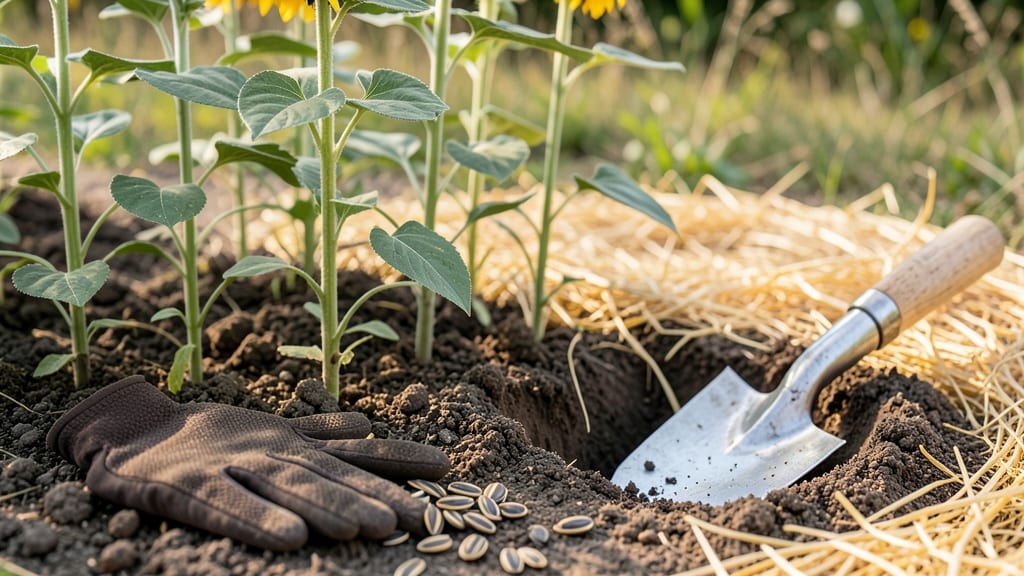
Planting sunflowers in Tennessee after the last frost — typically late April to mid-June — ensures those towering 🌻 blooms you’ve been dreaming of.
Sunflowers thrive in Tennessee’s warm climate, but planting them at the wrong time can leave you with wilted blooms instead of towering beauty. Timing is everything—especially in USDA Zones 7a and 7b—where heat and humidity demand precision for the best results.
Whether you’re growing dwarf varieties for containers or giant sunflowers for a backyard showstopper, the key is starting seeds when soil temperatures hit 55°F and the risk of frost has passed.
Below, I’ll break down the exact planting windows by region, the heat-tolerant varieties that shine in Tennessee’s summers, and pro tips to keep your sunflowers blooming all season long.
Best planting times for sunflowers in Tennessee by USDA Zone 7a-7b
Sunflowers in Tennessee need precise timing to thrive in USDA Zones 7a-7b, where warm springs and long summers create the perfect growing window. The last frost date typically arrives in mid-April, but soil temperatures must also reach 55°F or higher for seeds to germinate properly.
This means your planting window starts around late April and extends through mid-June for optimal growth.
Tennessee’s central and eastern regions experience slightly different microclimates, so adjust your timing based on local conditions. For example, East Tennessee may have 1-2 weeks earlier frost dates than Middle Tennessee, while West Tennessee often enjoys warmer soil earlier in spring.
Always check your local frost-free date to avoid planting too soon and risking frost damage.
| Planting Window | USDA Zone 7a | USDA Zone 7b | Notes |
|---|---|---|---|
| Early Spring | Late April | Late April | Soil must be 55°F+; use row covers if frost risk remains. |
| Late Spring | May 1-15 | May 1-15 | Ideal for most varieties; best germination rates. |
| Succession Planting | June 1-15 | June 1-15 | For late bloomers; plant heat-tolerant varieties. |
| Soil Temp | 55°F+ | 55°F+ | Use a soil thermometer to verify readiness. |
| Sunlight | 6-8+ hours | 6-8+ hours | Full sun is non-negotiable for healthy growth. |
For early spring planting (late April), focus on heat-tolerant varieties like 'Autumn Beauty' or 'Moulin Rouge', which can handle Tennessee’s summer heat better than standard types. If you plant too early and face a late frost, use row covers to protect young seedlings until soil temperatures stabilize.
My late spring planting (May 1-15) is the sweet spot for most sunflower varieties in Tennessee. This window ensures seeds germinate in warm soil and gives plants enough time to mature before summer heat peaks.
Choose dwarf or mid-height varieties like 'Teddy Bear' or 'ProCut' for easier maintenance and earlier blooms.
If you want to extend your sunflower season, try succession planting in early June. This works best with short-season varieties like 'Sunspot' or 'Little Becka', which can still produce blooms before first frost in mid-October.
Just be prepared for intense summer heat—these plants will need consistent watering and mulching to thrive.
One common mistake Tennessee gardeners make is planting sunflowers too early in March, hoping for an earlier harvest. However, cold soil and late frosts can stunt growth or kill seedlings entirely.
Instead, wait until soil temperatures are consistently above 55°F—usually late April—before sowing seeds directly in the ground.
For container gardening, you can start seeds indoors 4-6 weeks before your last frost date (around early April) and transplant seedlings after the frost risk passes. Use well-draining potting mix and place containers in a sunny spot with at least 6 hours of sunlight daily.
This method is ideal for small spaces or renters who want sunflowers without permanent garden beds.
Regardless of when you plant, always prepare your soil with compost or aged manure to improve drainage and fertility. Sunflowers are heavy feeders, so enriching the soil before planting gives them the nutrients they need to grow tall and strong.
Avoid over-fertilizing with nitrogen, though—this can lead to leafy growth at the expense of blooms.
Finally, keep an eye on your local weather forecasts in late spring. If unseasonably cold temperatures are predicted, delay planting until conditions stabilize. With the right timing and care, your sunflowers will reward you with vibrant blooms that attract pollinators and add height to your garden all summer long. 🌻
Top heat-tolerant sunflower varieties for Tennessee gardens
Tennessee’s hot summers and humid conditions can challenge sunflowers, but the right varieties thrive in these conditions. Look for disease-resistant and drought-tolerant types that bloom reliably even under 90°F+ temperatures.
These varieties will reward you with vibrant blooms and long vase life, perfect for Tennessee’s USDA Zones 7a-7b. 🌻
For small spaces or container gardening, dwarf varieties like ‘Teddy Bear’ reach only 2-3 feet tall while still producing bright yellow blooms. Mid-height options like ‘Moulin Rouge’ offer red-petaled beauty at 5-6 feet, ideal for cut flower arrangements.
If you dream of giant sunflowers, ‘Russian Giant’ can soar to 12+ feet with proper care. ☀️
‘ProCut’ is my top recommendation for Tennessee gardens—it’s disease-resistant, drought-tolerant, and blooms in just 55-70 days, making it perfect for cut flower production. Its deep yellow petals and strong stems hold up beautifully in arrangements, even in humid Tennessee summers. This variety also resists powdery mildew, a common issue in our climate. 🌿
If you prefer colorful blooms, ‘Autumn Beauty’ produces multi-colored petals in shades of yellow, red, and brown. It’s compact yet sturdy, reaching 4-5 feet tall, and thrives in heat and humidity.
Plant it in full sun for the best results, and watch it attract pollinators all season long. 🐝
For late-season blooms, ‘Evening Hats’ is a standout. This variety blooms in shades of red, yellow, and green and stays disease-free even when other sunflowers wilt. It’s also great for cut flowers because its stems stay firm and fresh for weeks.
Pair it with ‘Teddy Bear’ for a whimsical, low-maintenance garden that thrives in Tennessee’s heat. ✂️
No matter which variety you choose, plant after the last frost (typically mid-April in Tennessee) for the best results. Space seeds 6 inches apart and provide consistent moisture during dry spells.
With the right variety, your sunflowers will reach their full potential and bring joy to your garden all summer long. 🌻