
Plants
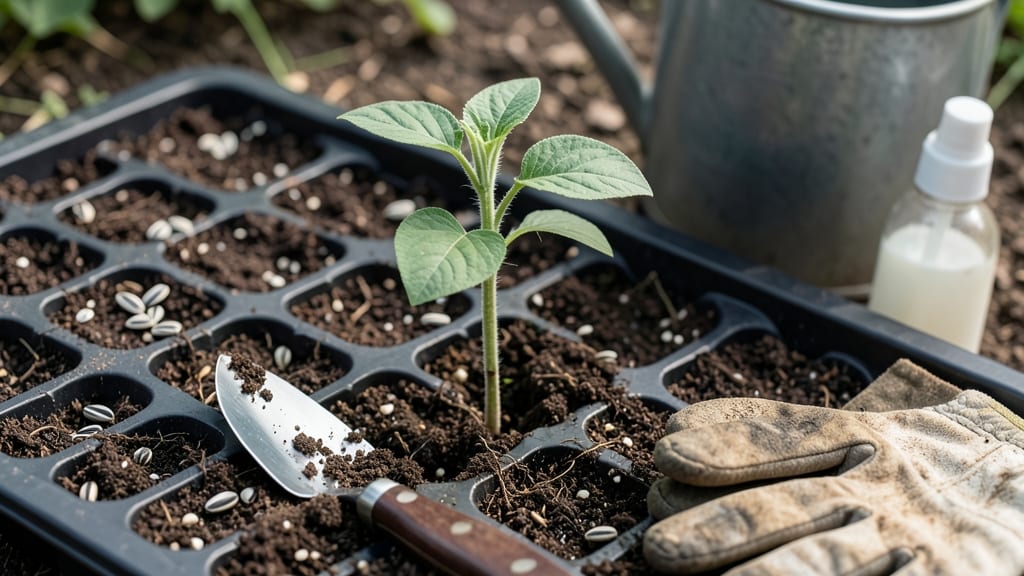
Planting sunflower seeds in New Zealand between September and February ensures fast germination and vibrant blooms 🌻 — but the exact timing depends on your region’s frost-free window and soil warmth.
Sunflowers bring vibrant color and joy to any garden—but planting them at the wrong time in New Zealand’s diverse climate can mean the difference between towering blooms and disappointing flops. Timing is everything, especially when fast germination is your goal.
In the North Island’s warmer zones (like Auckland), you can start as early as late August once soil temperatures hit 10°C. But in cooler South Island regions (such as Christchurch), wait until mid-October to avoid frost damage.
Below, I’ll break down the best months by region, soil prep tricks for speedier growth, and how to spot when your sunflowers are ready for harvest—so you can enjoy those cheerful faces all season long.
Best months to plant sunflower seeds in NZ by region
New Zealand’s diverse climate means sunflower planting times vary dramatically between the North Island, South Island, and subtropical regions like Northland. Getting the timing right ensures fast germination and robust growth—sunflowers need soil temperatures above 10°C (50°F) to sprout reliably.
In cooler regions, planting too early risks frost damage, while late planting in warmer areas can lead to bolting before flowering.
For Northland and subtropical regions, you can start as early as August, taking advantage of warmer soils and longer growing seasons. Meanwhile, Christchurch and inland South Island gardeners should wait until mid-October to avoid frost.
Each region also has distinct last frost dates that dictate your ideal planting window—missing these can stunt your sunflowers before they even bloom.
Below is a region-specific planting calendar that includes frost-free dates, soil temperature thresholds, and optimal months for maximum sunflower success. Use this as your guide to time your planting for tall, vibrant blooms rather than leggy, weak stems.
If you’re in the North Island’s subtropical zones, you can push your luck and plant sunflower seeds as late as November, but only if you choose dwarf or semi-dwarf varieties. These mature faster and are less likely to bolt before producing blooms.
For standard sunflowers, stick to planting by October in these regions to ensure they reach their full 3-12 foot height potential.
In cooler South Island regions, like Canterbury and Otago, your window narrows significantly. Planting after mid-November risks sunflowers not flowering before the first frost in May or June.
To maximize your chances, opt for early-maturing varieties like ‘Moulin Rouge’ or ‘Teddy Bear’, which can complete their lifecycle in as few as 70 days.
One trick I’ve used in Wellington’s unpredictable climate is to start seeds indoors in September and transplant outdoors after the last frost. This gives you a head start and allows you to enjoy blooms earlier in the season.
Just be sure to harden off seedlings for 7-10 days before moving them outside to avoid transplant shock.
For soil temperature checks, use a simple soil thermometer—sunflowers won’t germinate well below 10°C
How to ensure fast sunflower germination in NZ climates
New Zealand’s varied climate means your sunflower seeds need the right conditions to sprout quickly. Fast germination starts with warm soil and consistent moisture, but regional differences can complicate things.
In Northland or Auckland, seeds can germinate in as little as 5-7 days with ideal conditions, while South Island gardeners may wait 10-14 days due to cooler temperatures. The key is preparing your soil and microclimate to match your local growing season.
Before planting, test your soil temperature—sunflower seeds need soil temperatures above 10°C (50°F) to germinate. Use a soil thermometer or check by pressing your finger into the soil; if it feels warm to the touch, it’s ready.
In cooler regions like Canterbury or Otago, wait until late September or early October when frost risk has passed. For warmer northern areas, you can start as early as August if you use row covers to protect young seedlings.
🌱 Critical Steps for Fast Sunflower Germination
- Soil Prep: Loosen soil to 15cm deep and mix in compost for nutrients. Sunflowers thrive in well-draining soil with a pH of 6.0-7.5.
- Seed Depth: Plant seeds 2.5cm deep in rows 30cm apart. Deeper planting slows germination, while shallow planting risks drying out.
- Watering: Keep soil consistently moist (not soggy) until seedlings emerge. Water deeply in the morning to prevent fungal diseases.
- Sunlight: Ensure full sun (6+ hours daily). Use reflective surfaces (like white walls) in shaded spots to boost light.
- Microclimate: Protect seedlings from strong winds with windbreaks or plant near fences. In cooler zones, use black plastic mulch to warm soil.
Watering is non-negotiable for fast germination. After planting, water the soil thoroughly and maintain even moisture—sunflower seeds need consistent hydration to break dormancy. Use a drip irrigation system or watering can with a fine rose to avoid disturbing seeds.
Once seedlings appear, reduce watering slightly but keep the soil moist but not waterlogged. Overwatering can lead to rot or damping-off disease, which kills young plants before they even stand tall.
Sunlight is another critical factor—sunflowers are heliotropic, meaning they follow the sun’s movement. Choose the sunniest spot in your garden, even if it’s near a south-facing fence or wall that reflects extra light.
If you’re growing sunflowers in containers or raised beds, place them where they get uninterrupted sunlight for at least 8 hours daily. In cloudy or overcast NZ winters, supplement with a grow light if you’re starting seeds indoors early.
For gardeners in cooler climates like the South Island, consider using row covers or cloches to create a microclimate that speeds up germination. These protective covers trap heat and protect seedlings from chilly winds or late frosts.
Remove covers once seedlings are 5cm tall and hardened off. In warmer northern regions, shade cloth can prevent seeds from germinating too quickly in hot, dry conditions, which can stress young plants.
Finally, monitor your sunflower seedlings closely. Once they’ve germinated, thin them to 30-60cm apart (depending on the variety) to give each plant enough space to grow.
Fast germination sets the stage for healthy, vigorous growth, but proper spacing ensures your sunflowers reach their full towering potential without competing for nutrients. With these tips, you’ll see those first bright green leaves in just 7-10 days—no matter where you garden in NZ! 🌻