
Planting
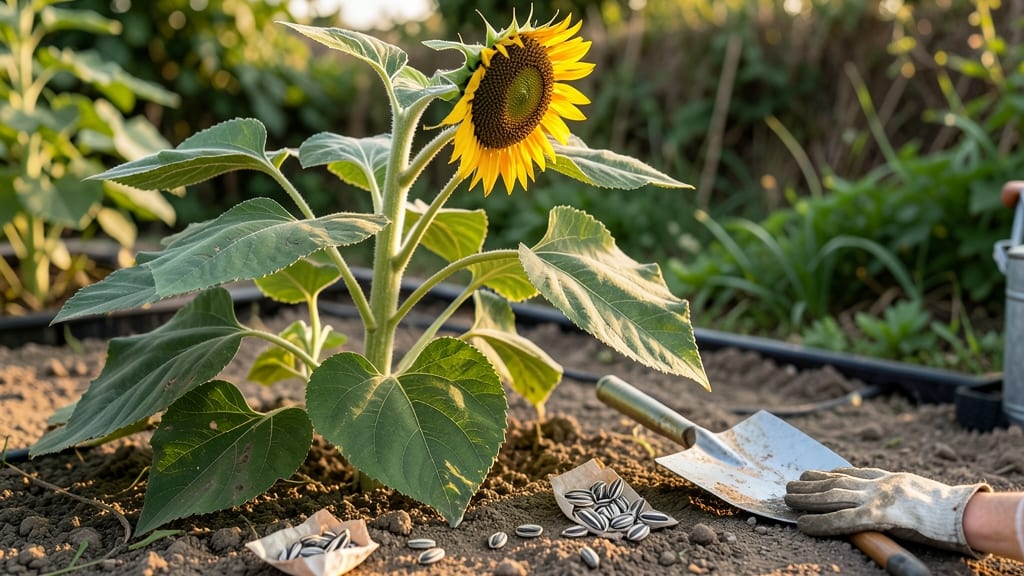
Planting sunflowers at the right time in the sunflower planting season ensures those towering 🌻 blooms you dream of—miss the window, and you’ll end up with stunted stems or no harvest at all.
Timing is everything: too early, and frost zaps tender seedlings; too late, and summer’s heat arrives before they mature. The key to massive, vibrant sunflowers lies in matching your hardiness zone to the ideal planting window—whether you’re in frost-prone Zone 6a or a warmer climate.
From soil temperature checks to frost-free day calculations, I’ll break down the exact months for your region, plus pro tips for soil prep and spacing to guarantee those 10-foot giants you’ve always wanted.
Ready to grow sunflowers that steal the show? Let’s dive into the science of timing—because the best blooms start with the right start.


Sunflower planting season by USDA hardiness zones: exact months for maximum growth
Sunflowers thrive when planted at the right time—too early and frost can kill seedlings, too late and they won’t mature before winter. The ideal planting window depends entirely on your USDA hardiness zone, with soil temperatures playing a critical role.
For most zones, aim for after the last frost date when soil reaches 50°F (10°C)—this ensures strong germination and rapid growth.
In colder zones (2-5), sunflowers can handle early spring planting, while warmer zones (8-11) benefit from late winter starts. The key is balancing frost risk with daylength requirements—sunflowers need 8-12 hours of daylight to trigger flowering.
Let’s break down the exact months for each zone to maximize your sunflower’s towering potential.
🌱 Pro Tip: Use a soil thermometer to confirm warmth before planting—cold soil delays germination by weeks. Most sunflower varieties need 60-120 days to mature, so adjust timing based on your first frost date.
| USDA Zone | Ideal Planting Month | Soil Temp Requirement | Frost Risk | Days to Maturity |
|---|---|---|---|---|
| Zones 2-4 | Late April - Early May | 50°F+ (10°C+) | High (plant after last frost) | 90-120 days |
| Zones 5-6 | Mid-April - Mid-May | 50°F+ (10°C+) | Moderate (late frost possible) | 80-100 days |
| Zones 7-8 | March - Early April | 55°F+ (13°C+) | Low (minimal frost) | 60-80 days |
| Zones 9-10 | January - February | 60°F+ (15°C+) | None (year-round growth) | 50-70 days |
| Zone 11 | October - December | 65°F+ (18°C+) | None (tropical climate) | 45-60 days |
🌡️ Note: Adjust for early/late varieties—dwarf types mature faster than giants like 'Mammoth' (120+ days).
In Zones 2-4, where frost lingers until May, direct-sow seeds after May 15 to avoid cold damage. Use black plastic mulch to warm soil faster if planting early. For Zones 5-6, aim for mid-April, but cover seedlings with frost cloth if nights dip below 32°F (0°C).
Warmer zones like 7-8 can start seeds indoors 4-6 weeks before last frost (early March) or direct-sow in February. In Zones 9-11, sunflowers grow year-round, but spring planting (Jan-Feb) yields the tallest blooms before summer heat stress. Late summer plantings (July-August) produce smaller but still vibrant flowers.
⚠️ Late Planting Trade-Offs: Planting after June 15 in cooler zones risks stunted growth—sunflowers need 60+ days of warm weather to reach maturity. In Zones 2-6
How to time sunflower planting for towering blooms: soil, spacing, and success factors
Timing your sunflower planting isn't just about months—it's about soil warmth, spacing precision, and creating the perfect growing conditions. I've learned that soil temperature below 50°F can stall germination, while crowded plants compete for sunlight and nutrients, resulting in weak stalks.
The key to those 10-foot giants you dream of lies in these critical factors beyond just the calendar date.
Before you even think about planting, your soil needs to be warmer than 50°F at a depth of 1 inch. This threshold ensures rapid germination and prevents those frustrating delays where seeds just sit there.
I test my soil with a simple soil thermometer—it's a small investment that pays off with stronger seedlings and taller stalks later in the season.
- 🌡️ Test soil temperature (must be 50°F+ at 1" depth)
- 📏 Space giant varieties 24-36 inches apart for full growth potential
- 🌱 Choose full-sun locations (minimum 6-8 hours daily)
- 🌿 Plant companion crops like basil or marigolds to deter pests
- 💧 Prepare irrigation for deep watering (1-2 inches per week)
Spacing is where most gardeners make their first mistake. Those giant sunflower varieties like 'Mammoth' or 'Russian Giant' need 24-36 inches between plants to develop their full 10-16 foot stature.
I've seen beautiful sunflowers grow into weak, leaning stalks because they were crowded—always give them room to reach their potential without competing for sunlight.
Companion planting can work wonders for your sunflowers. I've had great success pairing them with basil, which improves flavor and deters pests, or marigolds, which repel nematodes. The sunflowers provide shade for smaller plants while their deep roots help break up compacted soil.
Just avoid planting them near potatoes or fennel, as these can stunt their growth.
Don't forget about post-planting care—your timing work will be wasted without proper follow-through. After germination, maintain consistent moisture (about 1-2 inches per week) and mulch around the base to retain moisture and suppress weeds.
I've found that morning watering prevents fungal diseases while giving leaves time to dry before evening.
Remember, sunflowers are annuals that grow incredibly fast once established. The first 30 days after planting are critical for root development—give them everything they need during this period, and you'll be rewarded with those showstopping blooms by mid-summer.
With the right timing and care, you'll have sunflowers that reach for the sky and bring your garden to life.