
Plants
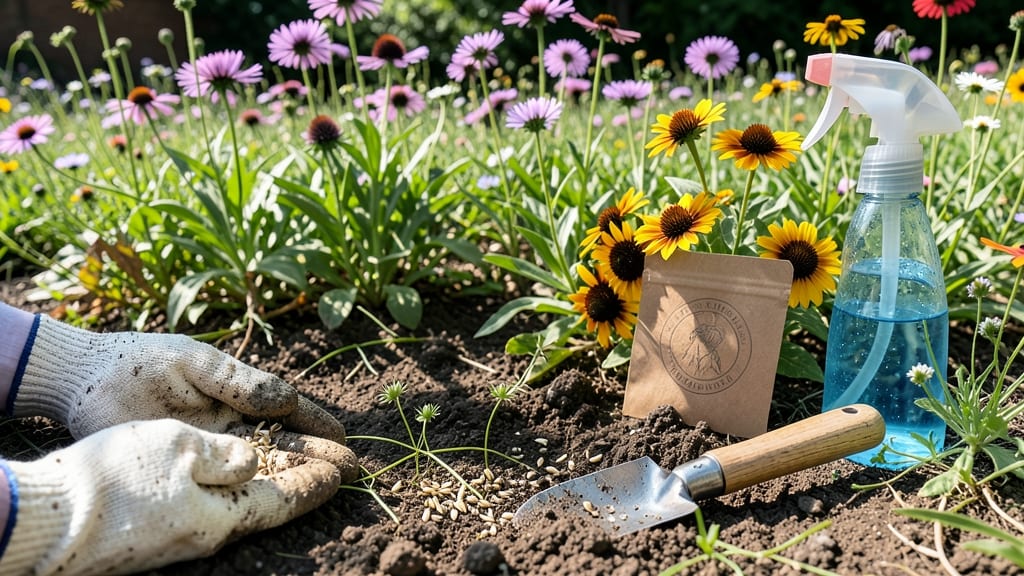
Planting wildflower seeds in New York at the right time ensures fast germination and a blooming meadow by summer — and getting the timing wrong can leave you staring at bare soil for months.
If you’ve ever scattered seeds in late spring only to watch them sprout too late for a full season of color, you know how critical the window is.
The key is planting when soil temperatures hit 55–75°F, which in New York’s Zones 5–7 means two distinct opportunities: early spring or late summer.
Early spring planting (March–April) gives wildflowers like black-eyed Susans and milkweed a head start, while fall planting (August–September) avoids summer heat stress. Both methods work, but the soil prep and weather conditions make all the difference.
Below, I break down the best months by zone, soil tricks to speed up sprouting, and how to outsmart New York’s unpredictable weather for a vibrant, weed-free meadow by next year.
Best planting months for wildflower seeds in New York by USDA Hardiness Zones
New York's USDA Hardiness Zones 5-7 offer two prime windows for planting wildflower seeds: early spring and late summer/fall. Each timing has unique advantages—spring planting takes advantage of warmer soil temperatures, while fall planting avoids summer heat stress and provides early establishment before winter.
For fast germination, aim for March-April or August-September, depending on your zone and microclimate.
In Zone 5 (northern NY), cooler springs mean waiting until late April or May is safer, while Zone 7 (Long Island, NYC) can start as early as March. Fall planting works best when seeds germinate 6-8 weeks before first frost, typically by mid-September in most regions.
Always check your last frost date—a critical factor for success.
🌱Pro Tip: Use a soil thermometer to confirm 55-75°F soil temps before planting. Wildflower seeds need warmth to sprout, and cold, wet soil can lead to rot or delayed germination.
| Zone | Best Planting Window | Soil Temp Requirement | Germination Time | Key Consideration |
|---|---|---|---|---|
| Zone 5 | Late April–May or August–early Sept | 55–65°F | 4–8 weeks | Wait for soil to warm; avoid late frosts |
| Zone 6 | March–April or late Aug–Sept | 60–70°F | 3–6 weeks | Spring planting ideal; fall seeds need 6+ weeks to root |
| Zone 7 | March–early April or Aug–Sept | 65–75°F | 2–5 weeks | Fastest germination; avoid planting after Sept 15 |
For Zone 5 gardeners, focus on late April or early May for spring planting. The soil should be workable but not soggy—test by squeezing a handful; if it holds shape, wait a few days.
In Zone 6, you can start as early as March if you use a cloche or row cover to protect seeds from late frosts. Always choose native wildflower mixes like black-eyed Susan or purple coneflower for best adaptation to your region.
Fall planting in August-September gives seeds time to establish roots before winter.
Aim to finish by mid-September in most of NY to allow 6-8 weeks of growth before the ground freezes. Zone 7 gardeners have the most flexibility—plant as early as March for spring blooms or up to early October for fall establishment.
🌿Soil Prep Matters: Wildflower seeds thrive in well-draining soil with minimal disturbance. Lightly rake the area to break up compacted soil and remove weeds, but avoid deep tilling, which can bury seeds too deeply. A light mulch layer (like straw) after planting helps retain moisture without smothering sprouts.
If you're planting in urban areas (like NYC or Buffalo), consider container gardening for wildflowers. Use well-draining potting mix and place containers in full sun. Urban microclimates can be 5-10°F warmer than rural areas, so adjust planting dates accordingly—start 1-2 weeks earlier in cities.
For fastest germination, prioritize spring planting in Zone 7 (March-April) where soil warms quickly. In Zone 5, fall planting (August-September) often yields better results because it avoids the short growing season and late spring frosts.
Always label your planting areas—wildflowers take 1-2 years to reach full bloom, so patience is key!
☀️Sunlight Tip: Most wildflowers need 6+ hours of sun daily. If your site gets partial shade, choose shade-tolerant species like wild bergamot
How soil temperature and weather conditions affect wildflower germination in New York
Wildflower seeds in New York thrive when planted during periods of consistent soil warmth and predictable rainfall. The ideal soil temperature for germination ranges between 55°F to 75°F, which typically aligns with late spring and early fall planting windows.
If you plant too early, cold soil can stall growth, while late planting risks exposure to fall frosts before seeds establish roots.
New York’s climate—especially in USDA Zones 5-7—means you’ll need to pay close attention to microclimates and weather forecasts. For example, seeds planted in Upstate New York may need extra protection from late frosts compared to those in Long Island, where milder conditions prevail.
Understanding these nuances can make or break your wildflower meadow’s success.
Planting wildflower seeds in New York before mid-April risks frost damage or slow germination due to cold soil. Conversely, planting after mid-September leaves seeds vulnerable to early winter frosts before roots establish. Use a soil thermometer to confirm 55°F+ soil temps before sowing.
For fall planting, aim for late August to early September to allow seeds to germinate before first frost (typically mid-October). In Zone 5 areas, consider a light mulch to insulate seeds from temperature swings.
Rainfall timing is another critical factor. Wildflower seeds need moisture to germinate, but too much rain can wash them away or cause soil compaction. After sowing, keep the soil evenly moist (not soggy) for the first 2-3 weeks.
In New York’s dry summers, a drip irrigation system or mulch layer can help maintain consistent moisture without overwatering.
Wind and humidity also play a role. High winds can bury seeds too deeply or blow them away, while humid conditions (common in summer) may encourage fungal growth. To mitigate these issues, plant on a calm day and avoid sowing in low-lying areas where water pools.
If humidity is high, ensure your planting site has good airflow to reduce disease risk.
Finally, consider preparing your soil 2-4 weeks before planting. Loosen the top 1-2 inches of soil with a rake or hoe to improve seed-to-soil contact. Remove weeds and debris, which can compete with wildflowers for resources.
Adding a light compost layer (¼ inch) can also boost nutrient availability without overwhelming young seedlings.
By aligning your planting with soil warmth, rainfall patterns, and frost-free windows, you’ll give your wildflowers the best chance to thrive in New York’s variable climate. Start with small test plots to refine your timing before committing to larger areas.