
Flowers
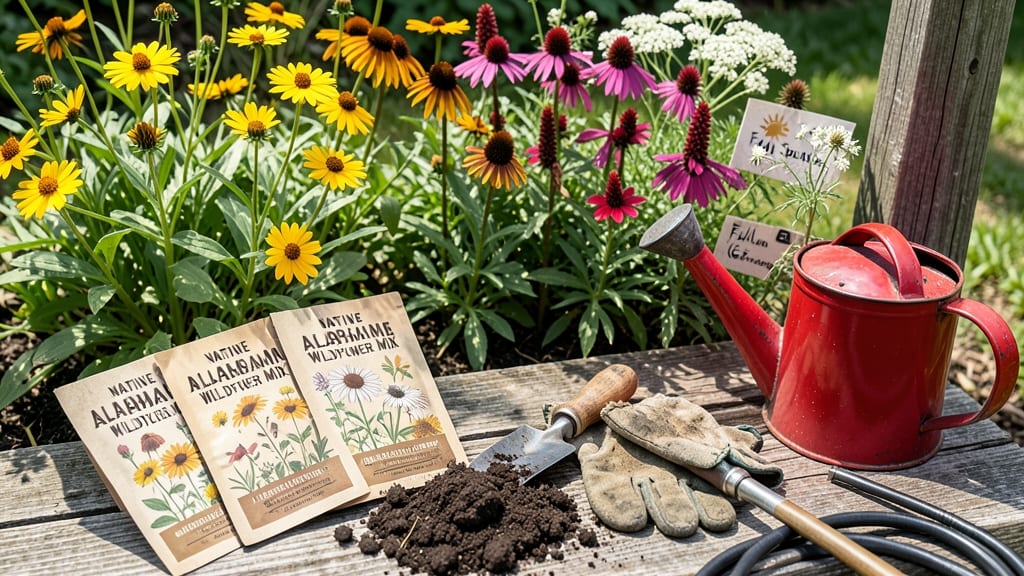
Planting wildflowers in Alabama at the right time means the difference between a vibrant meadow and a sad, half-blooming disappointment.
Alabama’s mild winters and long growing season make it a wildflower paradise—but timing is everything. Plant too early, and frost will wipe out your blooms; too late, and summer heat may stunt growth.
For USDA Zones 7B-8A, the best window is late winter to early spring (February-March) or fall (September-October), when soil is workable and rainfall supports germination.
Below, I break down the exact deadlines by region, the native species that thrive here, and how to prep your soil for year-round color—no guesswork, just results.
Alabama wildflower planting deadlines by USDA zone 7B-8A: frost-free timing guide
Timing your wildflower planting in Alabama’s USDA Zones 7B-8A means the difference between a vibrant meadow and a failed experiment. Since these zones experience last frost dates between mid-March and early April, your planting window hinges on whether you’re sowing cool-season annuals or warm-season perennials.
I’ll break down the exact deadlines, including how to adjust for microclimates like valleys (colder) or ridges (warmer).
For Zone 7B (North Alabama), the average last frost date falls around March 15, while Zone 8A (South Alabama) typically sees its last frost by March 1. These dates shift slightly yearly, so I recommend checking your local Alabama Cooperative Extension Service frost maps before planting.
Even a 10-day difference can mean the difference between thriving wildflowers and frost damage.
Here’s your frost-free planting timeline for Alabama wildflowers, organized by season and plant type:
If you’re planting perennial wildflowers, fall is your best bet—seeds sown in September or October have time to establish roots before winter.
For annuals like zinnias or sunflowers, you can push the envelope into late spring or early summer, but be prepared to water deeply to combat Alabama’s intense summer heat.
I’ve even seen gardeners in Zone 8A plant a second round of annuals in late July for fall blooms!
Microclimates play a huge role in Alabama. A ridge or south-facing slope might warm up faster, allowing you to plant 2-3 weeks earlier than the average deadline.
Conversely, valleys or shaded areas can stay colder, so err on the side of caution and wait until after the last frost is confirmed. Use a frost-sensitive plant like marigolds as a test—if they survive, your wildflowers will too.
For Zone 7B gardeners, don’t wait past mid-March for spring planting, or you risk late frosts damaging tender seedlings. In Zone 8A, you’ve got a little more flexibility, but April planting may mean slower establishment before summer’s heat sets in.
I’ve found that September 15 is the sweet spot for fall planting in both zones—early enough for roots to grow, but late enough to avoid summer’s 100°F+ temperatures.
Pro tip: Pre-soak wildflower seeds for 24 hours before planting in dry spells, especially in Zone 7B, where spring rains can be unreliable. And if you
Best wildflower species for Alabama’s seasons: when to sow for year-round blooms
Alabama’s diverse climate—from cool mountain springs to hot summer humidity—lets you grow wildflowers year-round with the right timing. The key is pairing cool-season bloomers with warm-season stars to create nonstop color.
I’ll show you which native species thrive in each season and how to layer them for continuous blooms, plus my top picks for fastest bloomers if you want instant impact.
Start with fall planting (September-October) for cool-season wildflowers like Blue Wild Indigo and Virginia Bluebells, which establish roots before winter and burst into bloom by early spring.
Then, sow warm-season favorites like Black-Eyed Susans and Coreopsis in late winter (February-March) for summer-long color. This two-season strategy ensures your garden never skips a beat.
🌱 Numbered Highlights: Alabama Wildflower Planting Calendar
- September-October: Plant cool-season natives like Purple Coneflower and Butterfly Weed for spring blooms. Soil temps should be 60-70°F.
- February-March: Sow warm-season annuals (e.g., Mexican Sunflower) after last frost. Aim for 60+ frost-free days before first bloom.
- April-May: Scatter fastest bloomers like Annual Phlox for summer color in 30-45 days. Ideal for filling gaps.
- July-August: Reseed perennials (e.g., Blanket Flower) to extend blooms into fall. Water deeply to beat summer heat.
For year-round color, layer these Alabama native staples: Start with Coreopsis (spring) and Black-Eyed Susan (summer), then add Goldenrod (fall) and Aster (late fall). This combo ensures blooms from March through November.
Pro tip: Mix tall varieties (like Joe Pye Weed) with low growers (e.g., Creeping Phlox) for texture and pollinator appeal.
If you’re short on time, prioritize these fastest bloomers for instant gratification: Annual Phlox (30 days), Zinnia (40 days), and Cosmos (50 days). Plant these in late winter for summer-long color without waiting.
They also attract butterflies and bees, making your garden a pollinator hotspot faster than you can say "wildflower meadow."
Don’t overlook shade-tolerant options like Wild Columbine or Bloodroot for woodland edges. These thrive in partial shade and bloom early spring, filling gaps before sun-loving species take over. Pair them with Virginia Bluebells for a woodland carpet of blue and white.
Remember: Soil prep is non-negotiable in Alabama’s clay-heavy soil. Loosen the top 6 inches, mix in compost, and rake seeds lightly into the soil.
Water deeply but infrequently—drought-tolerant natives like Coreopsis and Purple Coneflower hate soggy roots. Once established, they’ll thrive with minimal maintenance and maximal beauty. 🌻