
Flowers
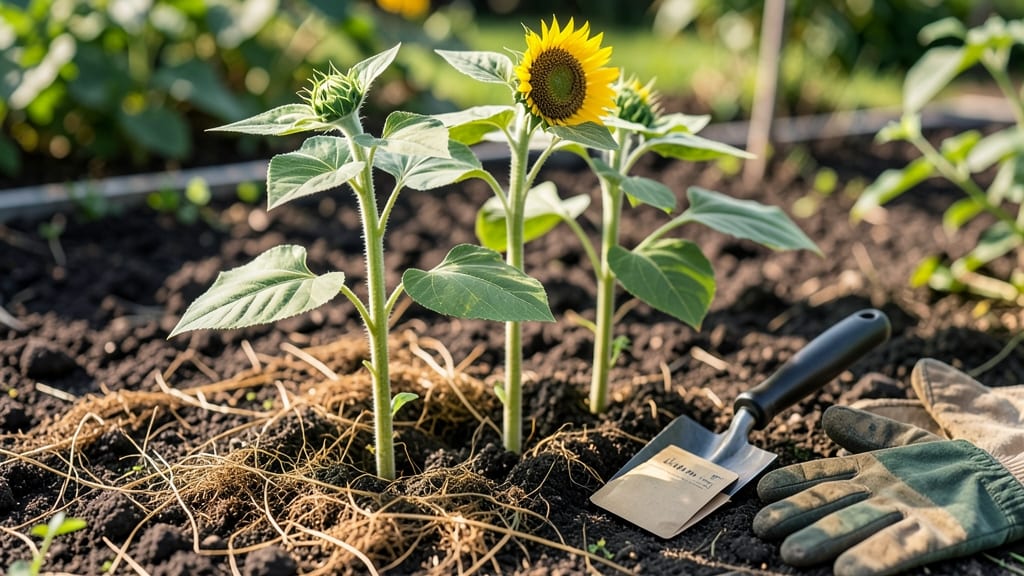
Planting sunflowers in East Texas at the right time means the difference between towering 🌻 blooms and stunted, sad stalks.
You’ve got a short window—too early and a late frost will nip them, too late and the summer heat arrives before they even think about flowering. The key is reading your local frost dates, soil warmth, and picking heat-tolerant varieties that won’t wilt under 100°F afternoons.
In USDA Zone 8a, that means starting seeds indoors by mid-March or direct-sowing after your last frost—usually around March 15—when the soil hits 55°F. But here’s the catch: East Texas summers are brutal, so timing matters even more than in cooler regions.
Below, I’ll break down the exact planting windows by city, the best varieties for your heat, and how to stretch your blooms through the season—so you’re harvesting July to October instead of missing out.
Best planting windows for sunflowers in East Texas by frost Zone
East Texas gardeners know timing is everything when planting sunflowers. With USDA Zones 7b-9a, you have a long growing season—but frost dates and soil warmth determine your success.
Plant too early, and frost will kill seedlings. Wait too long, and summer heat may stress young plants before they establish roots.
Sunflowers thrive when soil temperatures reach 55°F or warmer. In East Texas, this typically happens by mid-March in Zone 9a (e.g., Beaumont) and late March in Zone 7b (e.g., Tyler). Always check local frost data—your last frost date can vary by 2-3 weeks depending on microclimates.
Here’s your East Texas sunflower planting timeline by zone, including soil temp thresholds and ideal transplant windows for both direct sowing and starter plants:
| Zone | Last Frost Date | Soil Temp Threshold | Direct Sow Window | Transplant Window |
|---|---|---|---|---|
| 7b (Tyler, Longview) | March 15 | 55°F+ (mid-March) | March 20–April 15 | April 1–May 10 |
| 8a (Lufkin, Nacogdoches) | March 1 | 55°F+ (early March) | March 10–April 30 | March 20–May 15 |
| 8b (Beaumont, Huntsville) | February 28 | 55°F+ (late Feb) | February 20–May 1 | March 1–May 20 |
| 9a (Orange, Port Arthur) | February 15 | 55°F+ (mid-Feb) | February 1–May 10 | February 15–June 1 |
*Transplanting works best for tall varieties (8+ ft) to avoid wind damage.
For direct sowing, plant seeds 1 inch deep and 6 inches apart once soil warms. In East Texas, this means waiting until mid-March in Zone 7b and as early as February in Zone 9a.
If you’re using starter plants, transplant after the last frost date—typically April 1–May 1 depending on your zone.
Pro tip: Use black plastic mulch to warm soil faster if you’re planting early. This helps Zone 7b gardeners extend their window by 1-2 weeks. Just remove it once seedlings emerge to prevent overheating.
Extreme heat in East Texas can stress young sunflowers. If you plant in late spring (May–June), choose drought-tolerant varieties like ‘Autumn Beauty’ or ‘Moulin Rouge’ and provide deep watering every 2-3 days. Avoid planting after June 15—summer storms and humidity can lead to powdery mildew.
Succession planting is key for continuous blooms. In Zone 9a, you can even plant a second crop in late July for fall blooms. Just use shade cloth if temperatures exceed 95°F to protect seedlings.
Always monitor your local weather forecasts—East Texas’ unpredictable spring weather can shift frost dates. For example, Tyler (Zone 7b) saw frost as late as April 5 in 2021, while Beaumont (Zone 9a) had an early frost on February 20 in 2019.
Ready to plant? Grab your sunflower seeds, check your soil temperature, and mark your calendar for the ideal window based on your zone. With the right timing, you’ll enjoy vibrant blooms from July through October—just in time for East Texas’ stunning autumn skies! 🌻
Top heat-tolerant sunflower varieties for East Texas summers
East Texas summers bring 100°F+ heat and humidity levels that can stress sunflowers—but the right varieties thrive under these conditions. Heat-tolerant sunflowers not only survive but also produce vibrant blooms and drought-resistant growth.
My top recommendations focus on disease resistance, quick maturation, and adaptability to Texas' extreme climate.
For dwarf varieties, Moulin Rouge is a standout with its red-petaled blooms and 4-foot stature. Perfect for containers or small gardens, it blooms in just 50-55 days—ideal for late spring plantings.
Meanwhile, Autumn Beauty offers multi-colored petals and reaches 5-6 feet, making it great for cut flowers and pollinator gardens.
If you're after tall varieties, Russian Giant is legendary but needs extra water in early stages. For true heat endurance, ProCut Hybrid delivers bold yellow blooms with disease resistance and 8-foot height.
All these varieties handle East Texas humidity better than standard types, reducing the risk of powdery mildew or stem rot.
🌻 Heat-Tolerant Sunflower Varieties: Pros & Cons
- ✅ Dwarf size (4 ft)
- ✅ 50-55 day bloom
- ✅ Red petals
- ❌ Needs staking in wind
- ❌ Shorter vase life
- ✅ Multi-colored blooms
- ✅ 5-6 ft height
- ✅ Pollinator magnet
- ❌ Slower growth in heat
- ❌ Needs spacing
- ✅ Disease resistant
- ✅ 8 ft height
- ✅ Bold yellow blooms
- ❌ Needs deep soil
- ❌ Longer maturity (70+ days)
For late-season plantings, Teddy Bear (a dwarf variety) blooms in 60 days and handles fall heat waves beautifully. Its chocolate-brown centers add drama to gardens. If you're growing for birdseed, Mammoth Russian produces heavy seed heads but requires consistent watering during Texas' dry spells.
When choosing varieties, prioritize drought tolerance and quick blooming for East Texas. Start seeds indoors 2-3 weeks before last frost (mid-March) or direct-sow after April 15 when soil temps hit 60°F. Mulch with straw or wood chips to retain moisture during 100°F+ days.
My top pick for first-time growers is Autumn Beauty—it’s hardy, colorful, and attracts bees and butterflies. For cut flowers, ProCut Hybrid lasts 10+ days in vases. Always rotate crops yearly to prevent soil-borne diseases in the humid East Texas climate. 🌻