
Flowers
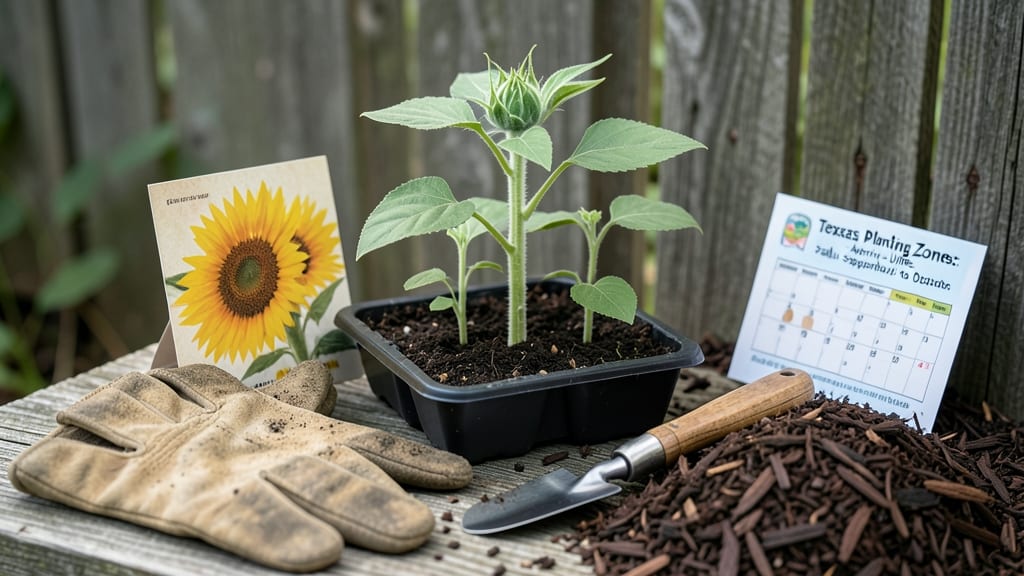
Planting sunflowers for doves in Texas means timing your seeds to align with dove migration and peak seed production—late summer through fall is the sweet spot for both.
You’ve got the right idea if you’re dreaming of doves fluttering through your 🌻 sunflowers, but planting too early or late can leave you with flowers that bolt before the birds arrive.
In Texas, where zones 8a-10b stretch from North to South, the best window shifts depending on whether you’re in North, Central, or South Texas.
Doves don’t just stop by for a snack—they need mature seed heads, which means your sunflowers should bloom by August at the latest.
That’s why I’ll break down the exact months to plant by zone, plus the sunflower varieties that produce the most seeds and how to keep them thriving until harvest.
From soil prep to spacing, I’ll cover everything you need to turn your garden into a dove magnet—so you can enjoy their gentle coos while watching them feast on your homegrown bounty.
Best planting months for sunflowers in Texas by USDA Zone
Timing your sunflower planting in Texas can make all the difference for attracting doves. Since doves prefer mature seeds, aim for blooms between August and October when these birds are most active.
Texas spans USDA Zones 6-10, so your planting window varies by region—North Texas (Zone 8) has later frost dates than South Texas (Zone 10).
For dove-friendly sunflowers, focus on dwarf varieties (3-5 feet tall) that produce abundant seeds without requiring excessive space. These varieties also mature faster, giving you a quicker food source for visiting doves. In my experience, Teddy Bear and Mammoth varieties are excellent choices for Texas gardens.
Soil temperature is critical—sunflower seeds need at least 55°F (13°C) to germinate properly. In most of Texas, this means waiting until after the last frost date, which typically falls between mid-February and mid-March depending on your zone. Waiting ensures your seeds won't rot in cold soil.
Here’s a quick reference for Texas regions to help you plan: North Texas (Zones 7-8) has the latest frost dates, while South Texas (Zones 9-10) can start planting as early as January. Central Texas (Zone 8) offers a middle-ground planting window of February to early March.
If you're in Zone 6-7 (North Texas), don’t rush to plant—wait until mid-February to avoid frost damage. In these areas, a second planting in late May can extend your harvest window for doves arriving in fall. This two-pronged approach ensures continuous food sources throughout the year.
For Central Texas (Zone 8), February to early March is your sweet spot. This timing aligns perfectly with dove migration patterns, ensuring your sunflowers will be in full bloom when these birds are passing through. I’ve found that well-drained soil is non-negotiable here—Texas clay can suffocate young seedlings.
In South Texas (Zones 9-10), you can plant as early as January thanks to warmer winters. However, be mindful of summer heat—sunflowers may bolt (flower too quickly) if temperatures exceed 90°F (32°C). Providing afternoon shade with lightweight shade cloth can help maintain steady growth.
After planting, maintain consistent moisture but avoid overwatering, which can lead to root rot. Once established, sunflowers are drought-tolerant, but doves will appreciate plump, healthy seeds. A light mulch around the base helps retain moisture and keeps weeds at bay—critical for sunflowers competing with aggressive Texas weeds.
Finally, remember that doves prefer undisturbed seed heads. Once your sunflowers produce seeds, avoid cutting them down until the seeds have scattered naturally or been fully consumed by doves. This simple act can turn your garden into a dove magnet during their migration seasons.
How to choose sunflower varieties for maximum dove attraction
Attracting doves to your Texas garden starts with selecting the right sunflower varieties. Doves prefer large seed heads packed with plump seeds, so focus on tall, seed-heavy varieties that thrive in Texas heat.
The best choices balance growth speed, drought tolerance, and seed production—critical for our USDA zones 8-10. I’ve narrowed down the top performers that will keep doves visiting year after year.
For maximum seed production, prioritize Mammoth-type sunflowers like 'Mammoth Russian' or 'Autumn Beauty'. These varieties grow 10-14 feet tall with massive seed heads that doves adore. However, their height requires sturdy stems to avoid toppling in Texas winds.
If space is limited, consider semi-dwarf varieties like 'Teddy Bear' (4-5 feet tall) which still produce abundant seeds while being easier to manage.
Drought tolerance is a must in Texas, so avoid varieties that wilt under 100°F+ temperatures. The 'Russian Giant' variety is a standout—it handles heat and dry spells better than most while producing 3,000+ seeds per head.
For faster growth (ideal if you want seeds earlier in the season), 'ProCut' or 'Suniz' are excellent choices, maturing in just 60-70 days.
Here’s how these top varieties stack up for dove attraction and Texas growing conditions:
🌻 Best for Doves
⚠️ Texas Challenges
When selecting varieties, consider your Texas microclimate. In North Texas (zones 8a-8b), plant Mammoth types in March for late-summer blooms when doves migrate through. For Central/South Texas (zones 9-10b), February plantings work best to avoid summer heat stress. Always choose open-pollinated varieties—doves won’t visit hybrid seeds!
Pro tip: Mix tall and dwarf varieties in your garden. Doves love the height variety for perching while smaller types provide ground-level access to scattered seeds. For example, pair 'Russian Giant' (12 ft) with 'Teddy Bear' (4 ft) to create a dove-friendly buffet at all levels.
Just ensure 6 inches of spacing between plants to prevent competition for water and nutrients.
Finally, avoid decorative sunflowers with double blooms—they produce no seeds. Stick to single-headed varieties like 'Russian Mammoth' or 'Sunspot' for guaranteed dove visits. With the right choices, your Texas garden will become a dove magnet from late summer through fall—just in time for their migratory stops! 🌾