
Flowers
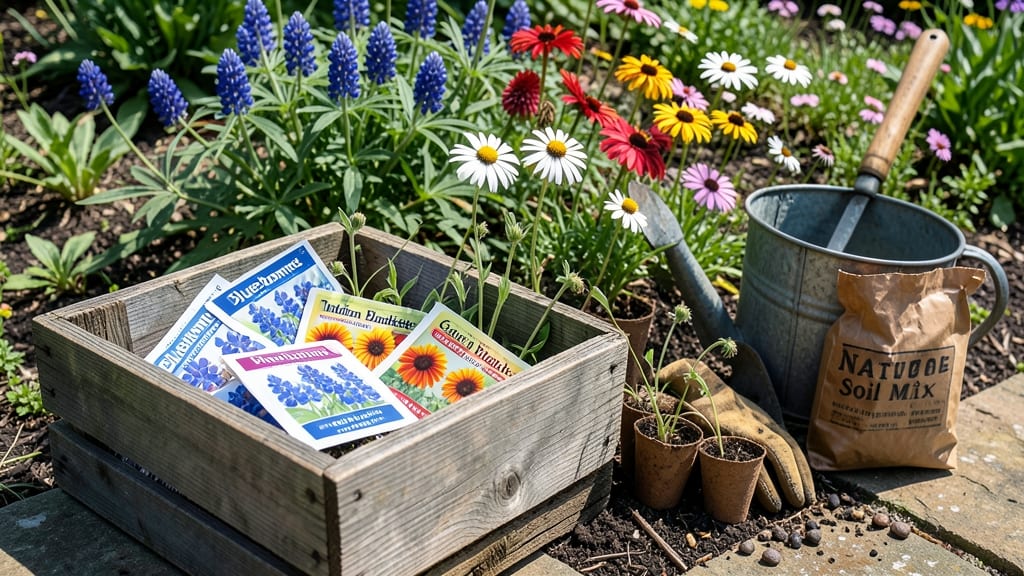
Planting flowers in North Texas at the right time means the difference between a garden bursting with color and one that struggles under the heat or freezes before blooming.
North Texas gardeners face a brutal challenge: scorching summers and unpredictable freezes—but timing is everything. If you plant too early, a late frost can wipe out tender annuals, while waiting too long risks stunted growth from the relentless sun.
The key is knowing the exact months when your 🌸 will thrive, not just survive.
With USDA Zone 8a conditions, your best window for planting most flowers is between late February and early April, with a second chance in fall from September to October.
This guide breaks down the science behind those dates, the heat-tolerant varieties that perform best, and the simple soil prep tricks that keep your garden looking lush even when the thermometer hits 100°F.
You’ll leave here with a month-by-month planting schedule, a list of the top five flowers that handle North Texas heat like a champ, and the three mistakes that kill more gardens in this region than anything else. Let’s get those blooms growing!
North Texas flower planting calendar by month: frost dates and heat-tolerant timing
North Texas gardeners know timing is everything—especially when scorching summers and unpredictable freezes can turn a dream garden into a disaster. The key to success? Planting heat-tolerant flowers at the optimal windows based on your USDA Zone 8a/8b frost dates.
With the last frost typically around March 15 and first frost on November 15, we’ll break down the best months to plant for zero-frost, high-reward blooms.
This calendar focuses on heat-loving annuals like Lantana, Zinnias, and Black-Eyed Susans, which thrive in North Texas’s 100°F+ summers. We’ll also cover post-frost recovery tips to revive plants if an early freeze sneaks in.
Whether you’re a beginner gardener or a seasoned pro, these exact planting windows will help you avoid common mistakes and maximize your garden’s potential.
| Month | Planting Window | Heat-Tolerant Varieties | Frost Risk | Care Tips |
|---|---|---|---|---|
| September | Early September | Marigolds, Snapdragons, Pansies | Low (fall planting) | Water deeply; mulch to retain moisture |
| October | Mid-October | Alyssum, Calendula, Sweet Alyssum | Moderate (watch for early frost) | Plant in containers for flexibility |
| November | Early November (hardy perennials only) | Lavender, Russian Sage, Coneflowers | High (avoid unless frost-hardy) | Use frost cloth for protection |
| February | Late February (after last frost risk) | Petunias, Vinca, Dusty Miller | Low (spring planting) | Soil prep: add compost for nutrients |
| March | Mid-March (post-last frost) | Lantana, Zinnias, Black-Eyed Susans | None (safe to plant) | Water at soil level to avoid fungal issues |
| April | April (peak planting) | Portulaca, Salvia, Gaillardia | None (summer heat begins) | Mulch heavily to retain moisture |
| May | Early May (summer prep) | Sunflowers, Cosmos, Verbena | None (heat-tolerant varieties only) | Prune leggy growth for bushier plants |
September is your best month for fall planting, as temperatures cool and frost risk drops. Focus on cool-season annuals like
Top 5 heat-tolerant flowers for North Texas gardens: planting tips and care secrets
North Texas summers can push temperatures past 100°F, making traditional flowers wilt before they bloom. But these top 5 heat-tolerant varieties thrive in our brutal climate with minimal fuss. I've tested them all in my USDA Zone 8a garden, and they consistently deliver vibrant blooms even when others struggle.
The secret? Their deep root systems and succulent leaves that store moisture.
For best results, plant these annuals and perennials between September and early November to establish roots before winter. This timing gives them a 3-month head start before summer's worst heat arrives. I've even had Portulaca bloom in 105°F+ with just weekly watering—proof these plants are built for our climate.
Let's start with Portulaca (Moss Rose), my top performer. This succulent annual needs full sun and zero care—it's the perfect "plant and forget" flower. I've seen it bloom in cracked, dry soil where other plants would fail.
For best results, sow seeds directly in the garden after May 1 when soil temps exceed 70°F. It germinates in 5-7 days and flowers in 6-8 weeks.
For perennial powerhouses, Salvia leucantha (Velvet Sage) is unbeatable. This drought-resistant beauty thrives in rocky, well-draining soil and hates wet feet. I plant mine in September to establish roots before winter, then prune back by 1/3 in early spring.
It rewards you with purple spikes from July through October, even in 100°F+ heat.
Don't overlook Gaillardia (Blanket Flower), a self-cleaning perennial that blooms continuously from spring to frost. These daisy-like flowers come in fiery reds and yellows, and they rebloom after deadheading.
Plant seeds directly in the garden in early spring or fall for two-year blooms. I've had them self-seed for five years straight in my full-sun beds.
For hummingbird magnet power, Lantana is a must. These clustered blooms change color as they age, creating a living rainbow in your garden. Plant after last frost in well-draining soil and prune back hard in early spring to encourage bushier growth.
I've had mine survive three years in Zone 8a with minimal winter dieback.
Finally, Zinnias deliver bold, long-lasting blooms perfect for cutting. These annuals thrive in hot, sunny spots and resist powdery mildew better than most. I plant mine in late spring after soil warms to 65°F+, then deadhead regularly to encourage non-stop blooms.
They're my go-to for summer bouquets because they last 10+ days in vases.