
Flowers
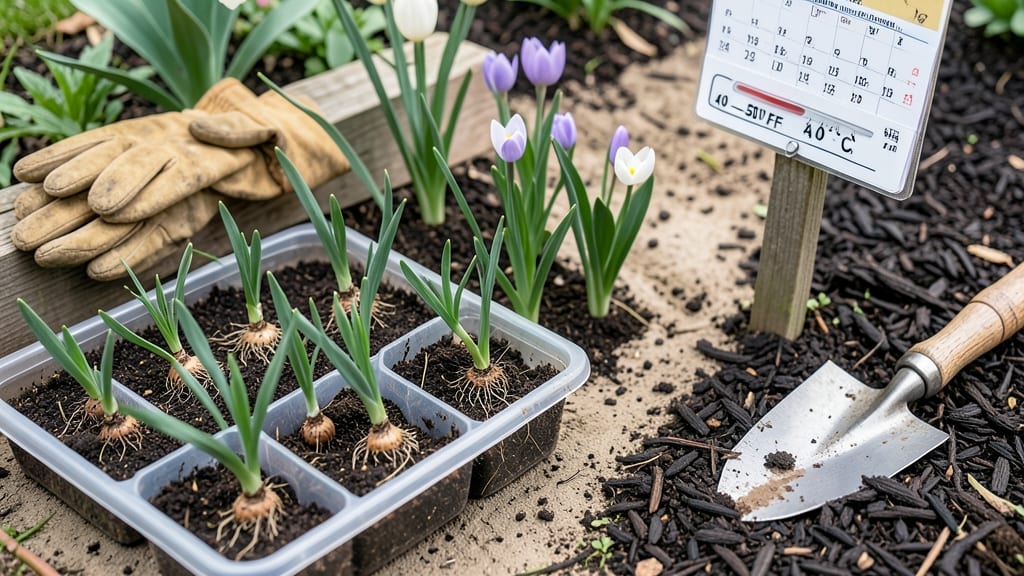
You can plant flowers in spring once the soil warms to 50°F and nighttime frost risks fade — typically 2-4 weeks after your last frost date, depending on your USDA zone.
Timing is everything in gardening — plant your spring flowers too early, and frost will kill them; too late, and they’ll struggle to bloom. But with the right heat-tolerant varieties and frost-free strategies, you can extend your growing season and enjoy vibrant 🌸 all summer long.
In Zone 6a, where many gardeners live, that usually means waiting until late April or early May. However, soil temperature and local microclimates (like urban heat islands) can shift that window by weeks.
Below, I’ll break down how to read your climate, choose the right flowers for early planting, and protect tender seedlings from late frosts.
You’ll learn which annuals thrive when planted weeks before last frost, how to use row covers or cold frames to push your season earlier, and the simple signs that your garden is truly ready — like leafing trees and thawed soil.
Spring planting timing by USDA hardiness zones: frost-free date calculator
Determining the perfect time to plant spring flowers depends entirely on your USDA hardiness zone and your local last frost date. While general guidelines exist, microclimates—like urban heat islands or sheltered slopes—can shift your planting window by 2-4 weeks.
For example, a south-facing slope in Zone 5 might be safe for planting cosmos a week earlier than the average last frost date.
To avoid frost damage, always check your local frost-free date using resources like the National Oceanic and Atmospheric Administration (NOAA) or your local cooperative extension office.
These dates are averages, so monitor your garden for signs like budding trees or warming soil temperatures (aim for 50°F+) before planting tender annuals.
Below is a zone-by-zone guide for planting spring flowers, including adjustments for early bloomers like pansies and heat-lovers like zinnias. Remember: Perennials can often handle earlier planting, while annuals need warmer soil.
| USDA Zone | Avg. Last Frost | Safe Planting Window | Early Bloomers (Cold-Hardy) | Heat-Lovers (Wait Until) |
|---|---|---|---|---|
| 3–4 | May 1–15 | After May 15 (or when soil hits 50°F) | Pansies, Snapdragons, Sweet Alyssum | June 1 (Marigolds, Zinnias) |
| 5–6 | April 15–May 1 | After April 30 (or 2 weeks post-frost) | Violas, Calendula, Stock | May 15 (Cosmos, Sunflowers) |
| 7–8 | March 1–April 15 | After March 31 (soil 55°F+) | Petunias, Lobelia, Begonias | April 1 (Geraniums, Impatiens) |
| 9–10 | January 1–February 15 | After February 15 (year-round in Zone 10) | Tropicals (Orchids, Hibiscus) | February 1 (All Heat-Lovers) |
If you’re in a microclimate—like a city garden surrounded by pavement or a south-facing slope—adjust your timeline by 1-2 weeks. Urban areas can be 5–10°F warmer than rural zones, while low spots may frost 10 days later.
Test your soil with a thermometer to confirm readiness; 50°F (10°C) is ideal for most flowers.
For perennials, like daylilies or coneflowers, you can plant as early as 2–4 weeks before the last frost, but cover them with row fabric if nighttime temps dip below 32°F. Annuals, however, should wait until after the last frost to avoid stunted growth.
Pro tip: Use biodegradable pots for early plantings. They protect roots from temperature fluctuations while allowing roots to establish before transplanting. Pair this with mulch to insulate soil and retain moisture—critical in Zone 3–5 where frosts linger.
Don’t forget to harden off seedlings if starting indoors. Gradually expose them to outdoor conditions over 7–10 days before planting. This reduces shock and improves survival rates, especially for delicate flowers like geraniums or impatiens.
Finally, keep a planting journal to track your local frost dates and adjustments. Over time, you’ll refine your timeline—perhaps discovering that Zone 6 in your area is actually Zone 5-friendly for early bloomers like snapdragons
Best heat-tolerant annual flowers for early spring planting (before last frost)
Planting annual flowers 2–4 weeks before your last frost date can give them a head start, but you need varieties that won’t bolt or wilt in cooler temperatures. These heat-tolerant annuals are perfect for early spring because they handle light frosts and thrive once the sun warms up.
My top picks include cosmos, zinnias, marigolds, and sunflowers, all of which can handle 40–50°F soil temperatures and still bloom beautifully.
Why risk waiting until after the last frost? These flowers germinate quickly and establish roots before the heat peaks, giving you earlier blooms and a longer season. Plus, they’re drought-resistant once established, making them low-maintenance stars in your garden.
For example, cosmos can tolerate 32–40°F temperatures and still produce vibrant blooms, while zinnias bounce back from light frosts like pros.
Early Spring Planting: Pros & Cons
✅ Pros
- Earlier blooms: Flowers like cosmos and zinnias can bloom 4–6 weeks sooner than late plantings.
- Frost resilience: Some varieties (e.g., marigolds) survive 28–32°F without damage.
- Longer season: Heat-tolerant plants handle summer heat better, extending blooms into fall.
- Pest deterrence: Early marigolds repel nematodes and aphids all season.
❌ Cons
- Frost risk: Light frosts (30°F) can damage tender seedlings like sunflowers.
- Slower growth: Cooler soil (50°F or below) delays germination for some varieties.
- Watering demands: Early plantings need consistent moisture to prevent stress.
- Limited variety: Not all annuals tolerate early planting (e.g., petunias need warmer soil).
💡 Pro Tip: Use row covers if frost threatens—they protect seedlings without trapping heat.
Let’s dive into my top 4 heat-tolerant annuals for early spring. Cosmos (e.g., ‘Bright Lights’) are my go-to because they self-seed prolifically and attract butterflies from day one. They germinate in 5–10 days at 60–70°F but can handle 40°F soil once established.
Pair them with zinnias (like ‘Benary’s Giant’) for bold, long-lasting blooms that cut beautifully for arrangements.
Don’t overlook marigolds, especially ‘French marigolds’, which are frost-hardy to 28°F and double as natural pest repellents. Their bright orange and yellow blooms deter aphids and whiteflies, making them ideal companions for vegetable gardens.
For height and drama, sunflowers like ‘Moulin Rouge’ (dwarf variety) can be sown 3–4 weeks before last frost and still reach 3–4 feet tall by summer.
To maximize success, amend your soil with compost before planting and water deeply after sowing. These flowers thrive in well-draining soil with 6+ hours of sun, so choose a south-facing spot if possible.
For example, my zinnias in full sun bloom nonstop from June to frost, while the same plants in partial shade produce fewer flowers. Mulch around the base to retain moisture and suppress weeds, which is especially helpful in early spring when rains can be unpredictable.
If you’re in a cooler climate (USDA Zones 3–5), consider starting seeds indoors 4–6 weeks before last frost and transplanting hardened-off seedlings outdoors. This gives them a 2–3 week head start before the last frost date.
For warmer zones (Zones 6–10), you can sow directly 2–3 weeks before last frost—just be ready to cover seedlings if a late frost sneaks in. I’ve even seen cosmos bloom in Zone 4 when planted under cloches in early May!
By choosing these heat-tolerant annuals and planting them 2–4 weeks before last frost, you’ll enjoy earlier blooms, longer seasons, and lower maintenance than traditional late-spring plantings.
Plus, their pest-repelling properties and pollinator appeal make them a win-win for any garden. Happy planting—your summer blooms will thank you! 🌻