
Flowers
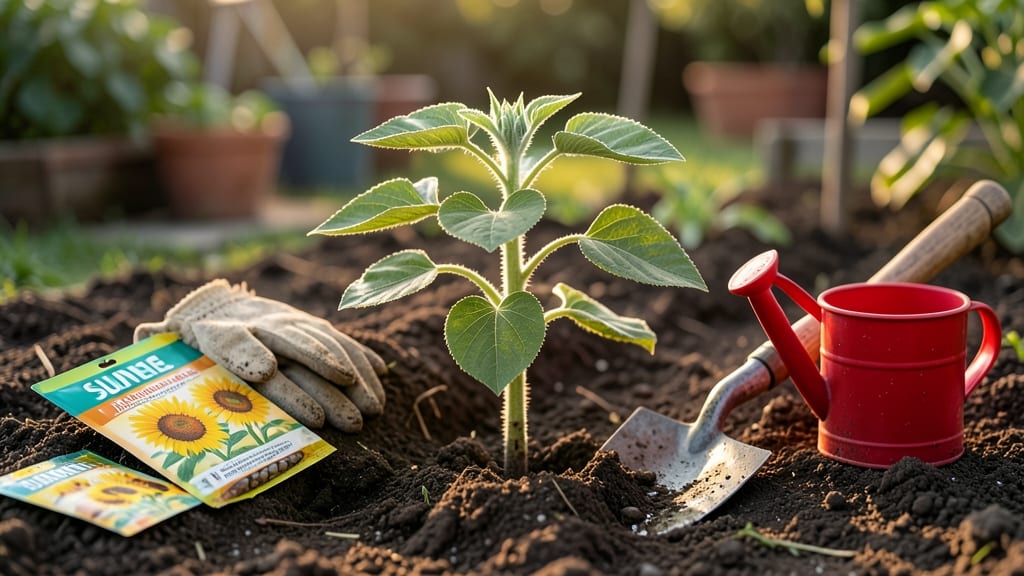
Planting sunflowers in Kansas at the right time means the difference between fast germination and weeks of waiting—or worse, stunted blooms before the first frost.
Picture this: You’ve cleared the garden bed, the soil is warm, and you’re ready to drop those seeds. But if you plant too early, a late spring freeze will nip your seedlings in the bud.
Too late, and the heat arrives before they’ve even sprouted. Kansas’s USDA Zones 6 and 7 demand precision, and missing the window means missing those towering 🌻 blooms you’ve been dreaming of.
Most gardeners in Kansas aim for late April to early May, but the exact timing depends on soil temperature, frost risk, and even your county’s microclimate.
That’s why I’ve broken down the optimal planting schedule by zone, including soil warmth thresholds and frost-free date averages—so you can set those seeds when the conditions are just right for fast, reliable growth.
In this guide, you’ll find the exact weeks to plant for maximum sunflower success, plus pro tips for adjusting to Kansas’s unpredictable weather—whether it’s a late frost, a drought spell, or a heatwave that arrives earlier than expected. Let’s get those sunflowers growing tall and strong!
Best planting months for Kansas sunflowers by USDA Zone (6 & 7)
Timing your sunflower planting in Kansas is critical for fast germination and vibrant blooms. In USDA Zones 6 & 7, soil temperatures must reach 50°F+ for seeds to sprout properly.
Planting too early risks frost damage, while waiting too late cuts bloom time. Let's break down the ideal windows for each zone.
Kansas experiences variable frost dates, with Zone 6 typically seeing its last frost around April 15–May 1 and Zone 7 around March 20–April 15. However, soil warmth matters more than air temperature—wait until the ground consistently stays above 50°F at 2 inches deep.
For direct sowing, Kansas gardeners should aim for late April to early June in Zone 6 and mid-March to mid-May in Zone 7.
Transplants can go in slightly earlier, around mid-April for Zone 6 and early March for Zone 7, but only if nighttime temps stay above 40°F.
Here’s a clear breakdown of planting windows, soil temps, and frost risks for both zones:
For fast germination, plant seeds 1/2 inch deep in well-draining soil with compost added. In Kansas’s Zone 6, aim for late April to avoid late frosts, while Zone 7 gardeners can start as early as mid-March if soil is warm enough.
Use a soil thermometer to confirm temps—seeds won’t sprout below 50°F.
If you miss the spring window, don’t worry—Kansas also supports fall planting! Try late July to early August for a second harvest. These late-season sunflowers need 55°F+ soil and will bloom before first frost, typically around October 15–November 1.
Pro tip: In Zone 6, cover seedlings with row covers if nighttime temps drop below 40°F. This protects young plants and speeds up growth. In Zone 7, you can skip covers if your last frost has passed.
Always choose drought-resistant varieties like 'Autumn Beauty' or 'Moulin Rouge' for Kansas’s variable rainfall.
Remember, sunflowers love heat and will bolt (flower prematurely) if stressed by cool nights. Plant in full sun (6+ hours daily) and water deeply 2–3 times per week once established. With the right timing, your Kansas sunflowers will reach 6–12 feet tall and bloom in 75–90 days!
For extra insurance, stagger your planting by 2 weeks to extend your bloom season. This works especially well in Zone 6, where late frosts can delay germination. Happy planting—your golden giants will thank you! 🌻
How to adjust sunflower planting for Kansas’s unpredictable weather patterns
Kansas’s weather can swing from late spring frosts to scorching heatwaves in weeks, making sunflower planting tricky. The key is flexibility—adjusting your approach to protect young plants and ensure robust growth. I’ve learned that staggered planting and seed depth adjustments are game-changers for Kansas gardeners.
First, monitor soil temperatures—sunflowers need 50°F+ soil to germinate. In USDA Zone 6, this often means waiting until mid-May, while Zone 7 gardeners can start in late April. But don’t rush! A false spring can bring frost back, and sunflower seedlings are extremely frost-sensitive.
⚠️ CALLOUT WARNING ⚠️
Sunflowers planted too early face frost damage that can kill seedlings. Use frost cloth or plant in containers for mobility. Check Kansas State University’s frost forecasts—historically, May 10-15 is the safest bet for most areas.
Pro tip: Plant dwarf varieties first—they recover faster from cold snaps.
For drought-prone summers, adjust seed depth. Plant seeds 1-1.5 inches deep in well-draining soil to prevent rot, but don’t bury them too deep—sunflowers need light to germinate. In dry years, I add mulch to retain moisture and reduce watering frequency to every 3-4 days once established.
If heatwaves hit early, use shade cloth (30-50%) to protect seedlings until they reach 6 inches tall. This prevents bolting (premature flowering) and ensures stronger stems. I’ve seen sunflowers in Wichita bolt when daytime temps exceed 90°F before they’re ready.
Consider staggered planting in 2-3 week intervals to extend your bloom season. Start with early-maturing varieties (like ‘Teddy Bear’) in May, then add taller types (like ‘Mammoth’) in June. This spreads out your harvest and reduces risk from unpredictable storms.
Finally, keep a Kansas-specific checklist handy: ☑️ Test soil pH (aim for 6.0-7.0) ☑️ Use drip irrigation to avoid fungal diseases ☑️ Watch for cutworms in early summer ☑️ Adjust watering for heatwaves (>95°F) ☑️ Harvest seeds before first frost (Oct-Nov)
With these adjustments, your sunflowers will thrive despite Kansas’s whims. Happy gardening! 🌻