
Flowers
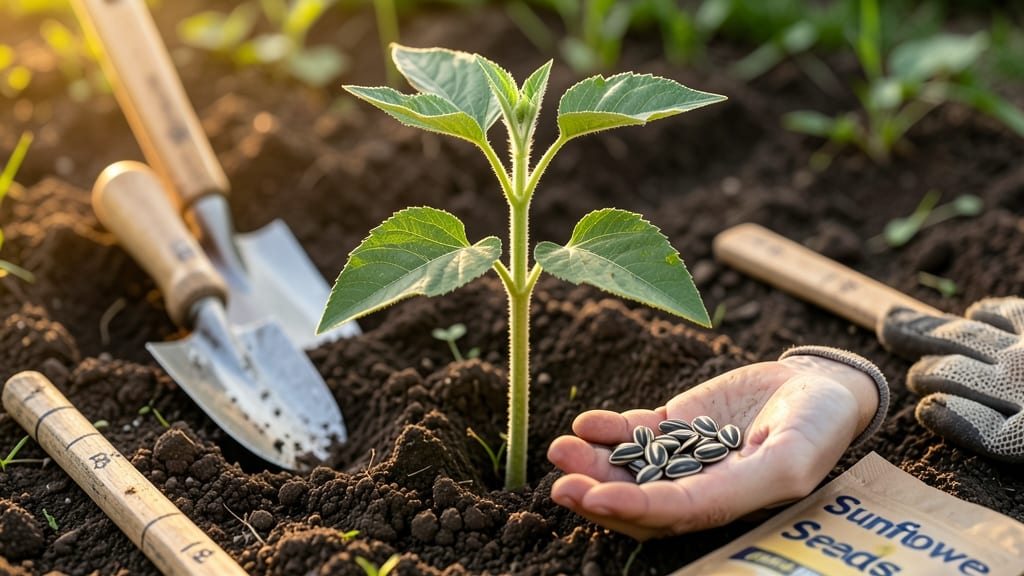
Planting sunflowers in Massachusetts after the last frost—typically mid-April to early June—sets you up for towering blooms that thrive in USDA Zones 5b-6b.
Those bright yellow faces are a summer staple, but get the timing wrong, and you’ll either lose seedlings to frost or watch them bolt in the heat. The key is knowing your exact last frost date—and how to adjust for coastal vs. inland microclimates.
Whether you’re growing dwarf varieties for containers or giant sunflowers that reach 14 feet, this guide breaks down the best planting windows, soil prep, and succession strategies to keep your garden in full bloom from July to September.
Skip the guesswork and learn how to time it right—so your sunflowers 🌻 stand tall, not wilt away.
Best planting dates for sunflowers in Massachusetts zones 5-6
Sunflowers thrive in Massachusetts’ USDA Zones 5b-6b, but their 165-day frost-free season demands precise timing. The last spring frost typically arrives between mid-April and early May, while the first fall frost hits around mid-October.
To maximize blooms, aim for mid-April to early June planting—this window ensures mature plants before frost strikes.
For direct sowing, wait until soil temperatures reach 55°F+ (test with a soil thermometer). In Zone 5b, this often means late April to early May, while Zone 6b gardeners can start as early as mid-April.
Transplants, if used, should go in 2-3 weeks after your last frost date for a head start.
| Planting Window | Zone 5b | Zone 6b | Method | Notes |
|---|---|---|---|---|
| Early Season | Late April | Mid-April | Direct sow or transplant | Best for dwarf varieties (60-day maturity). |
| Peak Season | May 1-15 | April 20-May 1 | Direct sow preferred | Ideal for standard and giant varieties (90-120 days). |
| Late Season | Early June | Early June | Direct sow only | Choose fast-maturing varieties (e.g., 'Autumn Beauty'). |
| Succession Planting | Every 2 weeks until June 15 | Every 2 weeks until June 20 | Direct sow in batches | Extends blooms through September. |
Massachusetts’ coastal vs. inland microclimates can shift planting by 1-2 weeks. Coastal areas (e.g., Cape Cod) have cooler soils and may delay planting until early May, while inland regions (e.g., Pioneer Valley) can start earlier.
Check your local USDA frost map or Massachusetts Agricultural Extension for precise dates.
For direct sowing, scatter seeds 1 inch deep and 6 inches apart in rows 2 feet apart. Thin seedlings to 12-18 inches apart when they reach 3 inches tall to prevent overcrowding. Transplants should be hardened off for 7-10 days before moving outdoors to avoid shock.
Extending your sunflower season is easy with succession planting. Sow new seeds every 2 weeks until mid-June to enjoy blooms from July through September. Pair early varieties (e.g., 'Teddy Bear') with late-season types (e.g., 'Moulin Rouge') for continuous color.
Soil preparation is key: Amend clay-heavy soils (common in Western MA) with compost to improve drainage. Sunflowers prefer sandy loam with a pH of 6.0-7.0. A balanced 5-10-10 fertilizer at planting and again in early summer promotes strong stems and vibrant blooms.
Watch for late spring frosts, which can damage young seedlings. Use row covers or black plastic mulch to warm soil and protect tender sprouts. In Zone 5b, consider staggered planting—sow 10% of seeds early under cover, then the rest outdoors after the last frost.
Giant sunflower varieties (e.g., 'Russian Giant') need staking in windy coastal areas or heavy soils. Plant them near fences or trellises to prevent toppling. Dwarf varieties (e.g., 'Sunspot') are perfect for containers or small spaces and can be planted as late as early July for fall blooms.
Harvest sunflower seeds when the back of the petals turns yellow and the seed head feels dry and papery. Cut stems 2-3 inches above the head and hang to dry in a well-ventilated area. Save seeds for next year or use them for bird feeders!
How to adjust sunflower planting for Massachusetts’ unpredictable weather
Massachusetts’ weather can throw curveballs—late frosts in May, sudden heatwaves, or weeks of soggy rain. These conditions can derail even the most carefully planned sunflower planting schedule. The key to success lies in flexibility and preparation.
By using soil warming techniques, protective covers, and staggered planting, you can give your sunflowers the best shot at thriving despite Mother Nature’s unpredictability.
First, understand that sunflowers need warmth to germinate and grow. If your soil stays cold after the last frost date, your seeds may rot or fail to sprout.
For example, in USDA Zone 5b, where nights can still dip below freezing into early May, delaying planting until soil temperatures reach 55°F (13°C) is critical. Use a soil thermometer to check—this small tool can save you from wasted seeds.
🌱
⚠️ Watch for Late Frost Warnings
Massachusetts’ last frost can occur as late as May 15 in some areas, especially inland. If frost is forecasted after you’ve planted, cover young seedlings with frost blankets or row covers. Even a light frost can kill tender sunflower sprouts, so monitor the National Weather Service or local agricultural extensions for alerts.
Pro Tip: Plant a few extra seeds every 2 weeks from late April through early June. This staggered approach ensures you’ll have blooms throughout the summer, even if some early plantings fail.
If your garden faces prolonged cool, wet conditions, consider using black plastic mulch or clear plastic tunnels to warm the soil faster. Lay the plastic down 1-2 weeks before planting to raise soil temperatures by 5-10°F.
Remove it once seeds are in the ground to prevent overheating. For containers or raised beds, which warm up quicker, you might start planting 2-3 weeks earlier than in-ground gardens.
Heatwaves can also stress sunflowers, especially during flowering. If temperatures soar above 90°F (32°C), provide afternoon shade with shade cloth (30-50% coverage) to protect blooms from wilting. Keep the soil moist but not soggy—deep watering once a week is better than daily shallow watering.
Drip irrigation or soaker hoses work best to deliver water directly to the roots without wetting the foliage, which can encourage fungal diseases.
For extended rainy periods, improve drainage by amending your soil with compost or perlite before planting. Sunflowers hate soggy roots, so raised beds or mounds can help. If your garden floods, move potted sunflowers to higher ground temporarily.
Once the rain stops, resume normal watering to help the plants recover. Overwatering after a dry spell can also lead to root rot, so let the top inch of soil dry out between waterings.
Finally, don’t overlook the power of microclimates. South-facing slopes or areas near buildings warm up faster and may be safe for planting 1-2 weeks earlier than cooler spots. Observe your garden’s unique conditions over time—what worked last year might not apply this year due to climate shifts.
By staying adaptable and proactive, you’ll turn Massachusetts’ weather challenges into opportunities for stunning, resilient sunflowers.
☀️