
Flowers
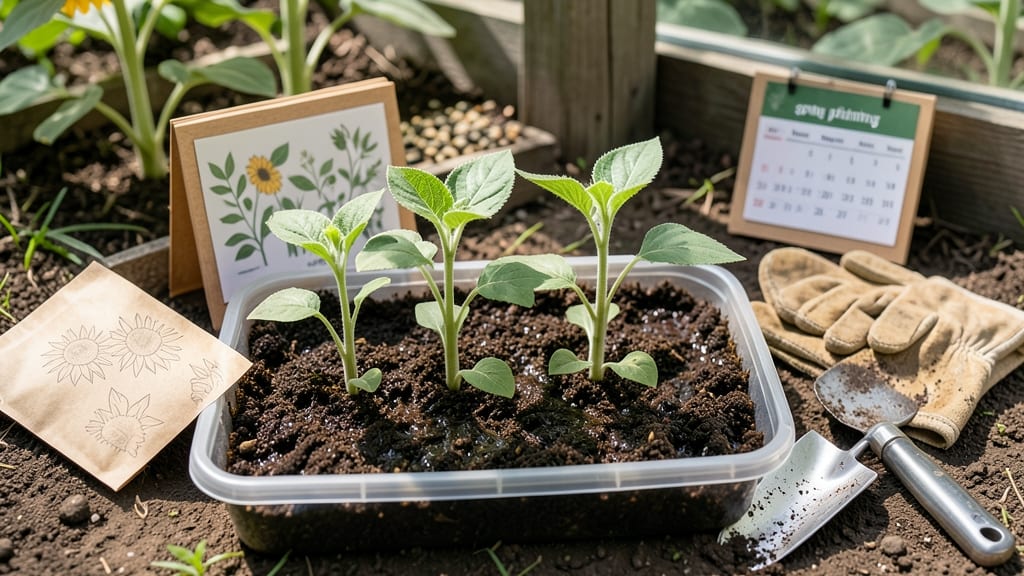
Planting sunflowers in Utah requires timing them perfectly to avoid frost damage and maximize growth in the state’s varied USDA zones.
Utah’s dramatic temperature swings and high-altitude microclimates can turn sunflower gardening into a gamble—unless you plant at the perfect time. Get the exact planting window for your Utah zone to ensure towering blooms and zero frost damage.
From the high desert’s USDA Zone 4 to the warmer valleys of Zone 8, the right timing means the difference between a 12-foot giant and a stunted plant. Here’s how to pinpoint your ideal window and adapt to Utah’s unique growing conditions.
You’ll discover the best months for each zone, soil prep tricks for Utah’s dry climate, and how to stretch the growing season with cold-hardy varieties. Let’s get those 🌻 seeds in the ground at the right moment!
Utah sunflower planting dates by USDA Zone (with frost risk charts)
Utah’s USDA Zones 4–8 create a gardening puzzle—especially for sunflowers, which thrive in warmth but hate frost. The key? Planting after your last average frost date, while accounting for elevation shifts and local microclimates.
For example, St. George (Zone 8a) can start seeds in mid-March, while Logan (Zone 5a) waits until mid-May. Let’s break it down by zone to avoid frost damage and maximize those towering blooms.
Sunflowers are fast-growing annuals that need 60–90 days to mature, depending on the variety. In Utah’s high-desert climate, timing is everything—plant too early, and a late frost will kill seedlings; too late, and you’ll miss summer blooms.
Use the table below to pinpoint your ideal planting window, adjusted for elevation (every 1,000 feet up delays planting by 1–2 weeks).
For elevation adjustments, subtract 1 week for every 1,000 feet above 4,000 feet. For example, if you’re in Zone 6 at 6,000 feet (like Park City), delay planting by 2 weeks—aim for May 15–
How Utah microclimates affect sunflower success (and how to adapt)
Utah’s geography creates wildly different growing conditions within just a few miles. Your neighbor in St. George might enjoy 120-day growing seasons, while Logan’s gardeners face shorter frost-free periods.
These microclimates can make or break your sunflower success—especially for heat-loving varieties like ‘Moulin Rouge’ or ‘Russian Giant’.
Mountain slopes cool faster at night, desert pockets bake by noon, and urban areas trap heat—all factors that shift your optimal planting window. Ignoring these differences means risking frost damage or stunted growth.
The key? Adjusting your planting schedule by as much as 4-6 weeks depending on your exact location.
| Utah Region | USDA Zone | Last Frost Date | Ideal Planting Window | Microclimate Notes |
|---|---|---|---|---|
| St. George | Zone 8-9 | March 15 | February 15 - March 31 | Hot desert climate; plant early to avoid summer heat stress |
| Salt Lake Valley | Zone 6-7 | April 15 | April 1 - May 15 | Urban heat island effect; wait until soil warms |
| Logan/Cache Valley | Zone 5-6 | May 1 | May 1 - June 1 | Cooler nights; use row covers for early starts |
| Park City | Zone 4-5 | May 20 | June 1 - July 1 | High elevation; choose dwarf varieties |
In St. George’s Zone 8-9, you can start sunflowers as early as mid-February to beat the summer heat. Meanwhile, Logan’s Zone 5-6 gardeners should wait until early May to avoid late frosts. Even within cities, urban heat islands can push planting dates 2 weeks earlier than rural areas.
For mountain slopes, plant on south-facing hillsides where warmth lingers longer. In desert pockets, use shade cloth during peak afternoon heat to protect young seedlings. These small adjustments can mean the difference between 10-foot giants and stunted 3-foot plants.
Pro tip: Test your soil temperature with a soil thermometer—sunflowers thrive when soil hits 55°F (13°C). In cooler zones, opt for ‘Teddy Bear’ or ‘Autumn Beauty’, which tolerate shorter seasons better than towering varieties.
Remember: Utah’s microclimates aren’t just about timing—they affect water needs, pest pressure, and even bloom color intensity. Adapt your approach, and you’ll enjoy sunflowers that reach their full potential no matter where you garden in Utah. 🌻