
Flowers
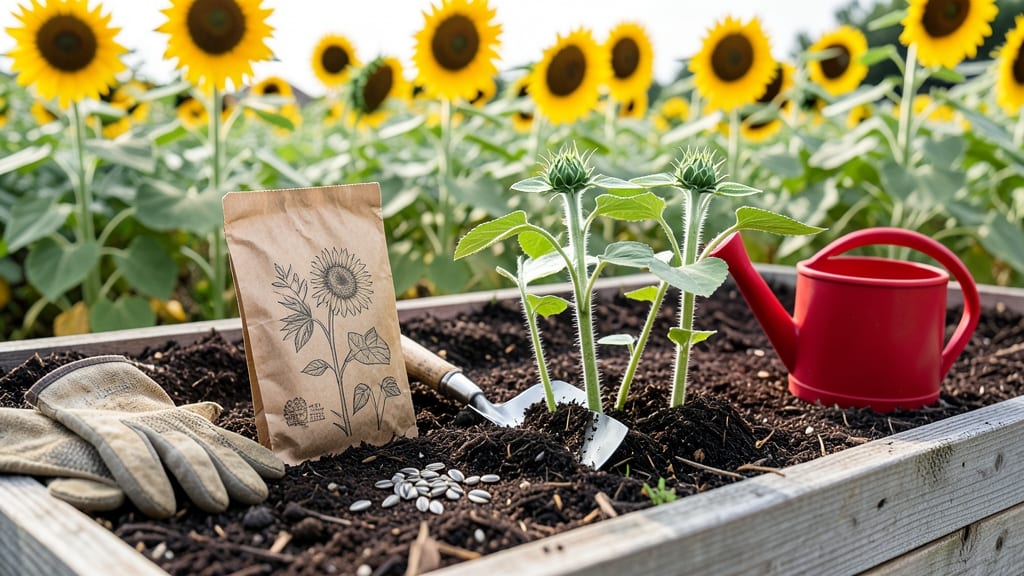
Plant sunflowers in Wisconsin after your last frost date, typically between mid-April and early June, when soil temperatures hit 50°F.
Wisconsin’s unpredictable climate can make timing your sunflower planting tricky—but getting it right means taller blooms, bigger seeds, and a showstopping summer garden.
Northern counties like Zone 5a face later frost risks, while southern regions can push plantings into early June. Direct sowing is easiest, but transplants work if you start early indoors.
Below, I’ll break down frost-free dates by county, the best varieties for Wisconsin’s short season, and how to adjust for heat waves or cool snaps.
Wisconsin sunflower planting dates by county: frost-free Zone map
Timing your sunflower planting in Wisconsin depends on your county’s last frost date, which varies from mid-April in southern regions to late May in the north. Planting too early risks frost damage, while waiting too long may shorten your blooming season.
For optimal growth, aim to sow seeds when soil temperatures reach 50°F (10°C)—typically 2-4 weeks after your average last frost.
Wisconsin spans USDA Hardiness Zones 3–5, meaning some northern counties (like Bayfield or Ashland) have shorter growing seasons than southern areas (like Walworth or Racine). This guide breaks down planting windows by county, so you can align your sunflower varieties with your local climate.
Whether you’re growing giant Mammoth types for seeds or dwarf Teddy Bear varieties for cut flowers, timing matters!
Use this county-by-county summary table as your reference, then adjust based on your microclimate. For example, urban areas may warm up faster than rural spots, while elevated gardens can experience frost later. Always check your local frost-free date using the Wisconsin State Climatology Office’s interactive map for real-time updates.
For northern Wisconsin counties, like Bayfield or Ashland, planting after June 1 is risky—opt for dwarf varieties like Teddy Bear or Little Becka, which mature faster and tolerate cooler soils.
In contrast, southern counties (e.g., Walworth or Racine) can support giant sunflowers like Mammoth or Russian Giant if planted by mid-May.
Adjust your planting window based on your sunflower variety. Tall varieties (e.g., Mammoth) need a longer growing season (90–120 days), while dwarf types (e.g., Teddy Bear) mature in 50–70 days.
If you’re in a Zone 4–5 area with a short season, consider starting seeds indoors 2–3 weeks before your last frost date for a head start
How to adjust planting time for sunflower varieties in Wisconsin
Wisconsin gardeners know timing is everything—especially when growing sunflowers. Tall varieties like ‘Mammoth’ need a longer growing season to produce those giant seed heads, while dwarf varieties like ‘Teddy Bear’ thrive with shorter seasons and are perfect for cut flowers.
The key is matching your variety to Wisconsin’s variable frost dates and soil warmth.
Most sunflower seeds won’t germinate until soil reaches 60°F+, which typically happens in mid-April to early May across Wisconsin. However, northern counties (like Bayfield or Iron) may need to wait until late May, while southern regions (like Walworth or Dane) can start as early as mid-April.
Adjusting your planting time based on variety and microclimate ensures healthier, happier sunflowers.
| Variety Type | Ideal Planting Window | Soil Temp Threshold | Best For | Late Start Tip |
|---|---|---|---|---|
| Tall (e.g., 'Mammoth') | Mid-April to early May | 60°F+ | Seed production | Transplant seedlings (start indoors in March) |
| Medium (e.g., 'Autumn Beauty') | Late April to early June | 55°F+ | Cut flowers, pollinators | Use black plastic mulch to warm soil |
| Dwarf (e.g., 'Teddy Bear') | Early May to mid-June | 50°F+ | Containers, small spaces | Choose fast-maturing varieties |
| Fall-blooming (e.g., 'ProCut') | Late July to early August | 65°F+ | Extended harvest | Use row covers for frost protection |
For tall sunflowers, aim to plant by May 1 in most of Wisconsin to give them enough time to mature before frost. If you’re in northern Wisconsin, consider starting seeds indoors in March and transplanting after the last frost.
Use black plastic mulch to warm the soil faster if you’re planting late.
If you love fall sunflowers, try a second planting in late July for varieties like ‘ProCut’. These will bloom just in time for September harvests and provide late-season color.
Just be prepared to use row covers if an early frost threatens. For dwarf varieties, late plantings work well too—they’re more forgiving and perfect for container gardening on patios.
Remember, sunflowers are drought-tolerant once established, but they need consistent moisture during germination. Water deeply once a week after planting, and avoid overhead watering to prevent fungal diseases. With the right timing, you’ll have sunflowers towering over your garden from July to October!
🌻