
Flowers
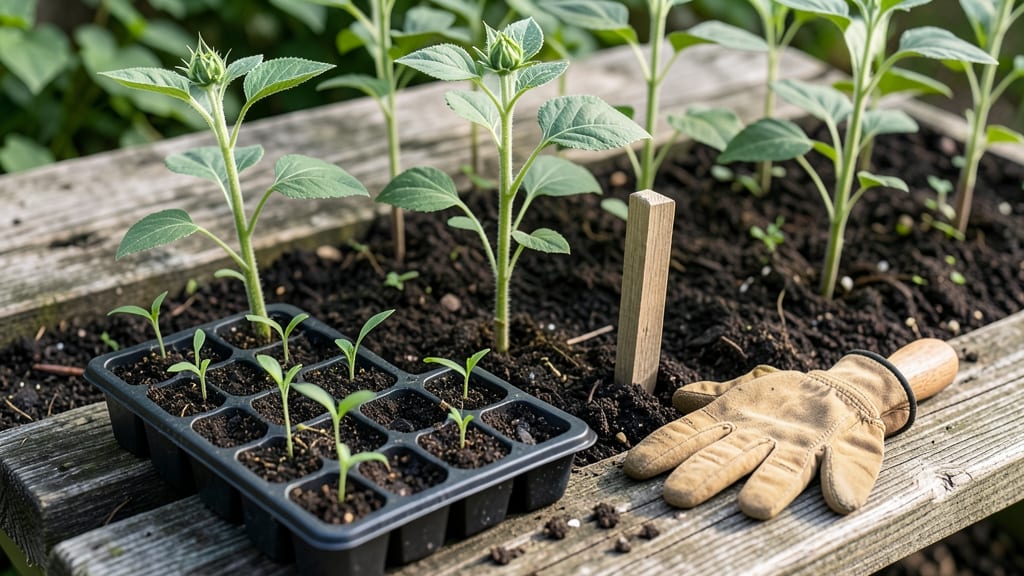
Planting sunflowers in Zone 8a after the last frost date—typically mid-March—sets you up for towering blooms and a bountiful harvest by summer.
But here’s the catch: timing isn’t just about dates. If you plant too early, a late frost can turn your seedlings into crispy snacks. Too late, and your sunflowers 🌻 might bolt before they reach their full height. The key? Watching soil temperatures and microclimates to fine-tune your schedule.
Zone 8a’s mild winters mean you can also squeeze in a second planting for fall blooms, but only if you act by late summer. The right variety and a little extra care can turn your garden into a sunflower paradise—without the guesswork.
Below, I’ll break down the exact soil temps to wait for, how to use microclimates to your advantage, and the fastest-maturing varieties that thrive in your zone. Ready to grow sunflowers that put on a show?
Optimal planting dates for sunflowers in Zone 8a based on soil temperature
Sunflowers in Zone 8a love warmth, but they’re sensitive to soil temperatures below 50°F. Planting too early can stunt growth, while waiting too long risks missing the ideal bloom window.
The key? Timing your seeds to match soil warmth—not just air temperature—and accounting for your last frost date (typically around February 15 in Zone 8a).
For direct sowing, aim for when your soil consistently stays above 50°F for at least 24 hours. In Zone 8a, this usually falls between late March and early April, but urban heat islands or south-facing slopes can push this window 2-3 weeks earlier.
If you’re starting transplants indoors, begin seeds 4-6 weeks before your target outdoor date.
A soil thermometer is your best friend here. Stick it 2 inches deep—the depth where sunflower seeds germinate—and check daily. If temps dip below 50°F at night, your seeds may rot before sprouting.
Pro tip: Black plastic mulch can warm soil by 5-10°F, letting you plant 1-2 weeks earlier in cooler microclimates.
Here’s your Zone 8a sunflower planting timeline, broken down by method and soil conditions:
| Planting Method | Optimal Soil Temp | Zone 8a Window | Key Considerations |
|---|---|---|---|
| Direct Sowing | 50°F+ (consistent) | Late March–Early April | Wait for soil to warm; avoid cold snaps. |
| Transplants (Indoor Start) | 60°F+ (outdoors) | Early April–Mid-April | Hardening off required; use row covers if frost risk. |
| Fall Planting (Late Season) | 55°F+ (minimum) | Late August–Early September | Choose fast-maturing varieties (e.g., ‘Teddy Bear’). |
| Urban Heat Islands | 45°F+ (earlier) | Mid-March–Late March | Asphalt/concrete speeds up soil warming. |
If you’re planting for summer blooms, prioritize late March sowing. For fall sunflowers, aim for late August—but only if your variety matures in 60-70 days. Varieties like ‘Autumn Beauty’ (90 days) won’t make it, but ‘Moulin Rouge’ (55 days) thrives in these conditions.
One common mistake? Relying on air temperature instead of soil temperature. A 70°F day with 45°F soil can delay germination by 1-2 weeks. To test your soil’s readiness, bury your thermometer 2 inches deep for 3 days.
If temps stay above 50°F day and night, it’s go time.
For transplants, start seeds indoors 4-6 weeks before your target date.
Use biodegradable pots to avoid root disturbance, and harden off seedlings by placing them outdoors for 2-3 hours daily the week before transplanting. Row covers can protect young plants from late frosts (Zone 8a’s last frost can linger into early April in some areas).
Don’t forget about microclimates. A south-facing slope might warm up 10°F faster than your average garden bed, letting you plant 2 weeks earlier. Conversely, low-lying areas or shady spots could delay germination. Use a soil thermometer in multiple spots to map your garden’s heat zones.
Once planted, keep soil consistently moist (not soggy) until seedlings are 3 inches tall. Sunflowers are drought-tolerant once established, but they need 1-2 inches of water weekly during germination. Mulch with straw or grass clippings to retain moisture and suppress weeds—critical in Zone 8a’s hot, dry summers.
Pro tip: If you miss the spring window, fall planting can still yield blooms. Choose fast-maturing varieties and sow seeds 8-10 weeks before your first frost (typically late August in Zone 8a). Just be prepared for shorter stems—fall sunflowers focus energy on seed production over height.
Microclimate tricks to extend sunflower growing season in Zone 8a
Zone 8a gardeners know the struggle—late frosts can still sneak in even after the official last frost date of February 15. But with the right microclimate strategies, you can push sunflowers 2-4 weeks earlier or even coax a fall harvest.
The key? Understanding how your yard’s unique conditions create pockets of warmth or protection.
Think of your garden as a patchwork of mini-climates. A south-facing slope might warm up 3-5°F faster than your north side, while a brick wall can create a heat island perfect for early planting.
Even a simple windbreak can shield tender seedlings from chilly winds. Let’s explore how to leverage these tricks for sunflowers that thrive beyond the calendar.
Plant 2-3 weeks earlier near pavement, buildings, or dark roofs—these areas absorb and radiate heat, raising soil temps by 5-10°F. Test soil with a thermometer before planting; aim for 50°F+ consistently.
Slope gardens get 6+ extra hours of sun and warm up faster. Plant dwarf varieties like 'Teddy Bear' here for earlier blooms—they tolerate cooler temps better than giants.
Use fence rows, hedges, or even tarps to block chilly winds. This lets you plant 10-14 days earlier in exposed areas—just ensure airflow remains for pollination.
Extend the season 4-6 weeks later with clear plastic frames. Start seeds in late August for fall blooms—just remove covers by daytime highs of 75°F+ to avoid overheating.
Lay frost cloth over seedlings for 2-3°F protection. Use it to plant 3 weeks before the last frost date in open, windy areas—just secure edges tightly to avoid gaps.
Don’t overlook water retention in these microclimates. South-facing slopes dry out faster, so mulch with straw or wood chips to keep soil moist. For urban heat islands, water early morning to prevent evaporative stress from afternoon heat.
Pro tip: Use reflective mulch (like silver plastic) near young plants in hot microclimates. It bounces back 30% of sunlight, reducing soil temps by 5-8°F and preventing bolting in extreme heat.
With these tricks, you’ll turn Zone 8a’s challenges into advantages—whether you’re chasing early spring blooms or fall harvests. Just remember: monitor soil temps weekly and adjust your strategy as the season shifts. Happy planting! 🌻