
Flowers
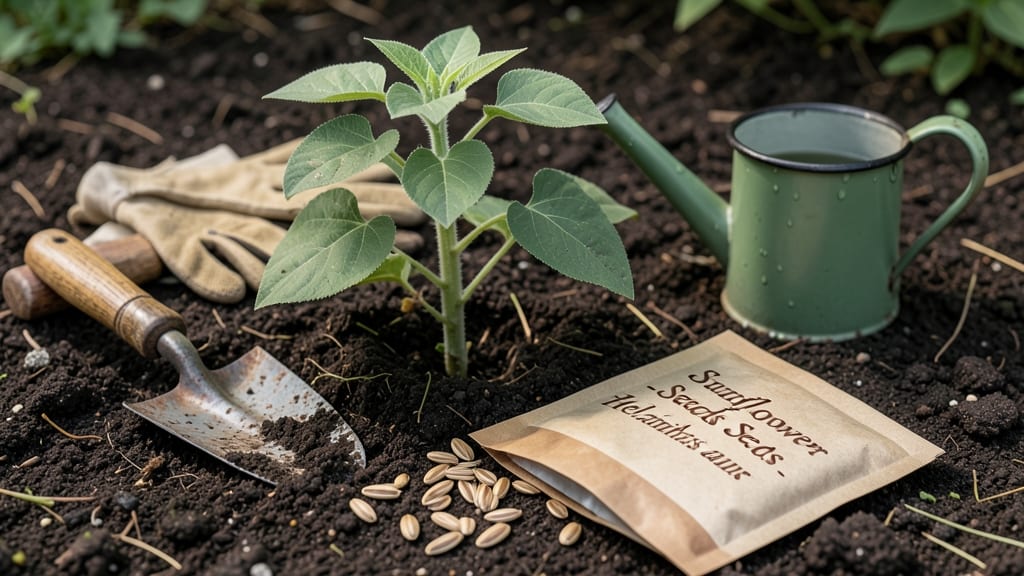
Planting sunflowers in Zone 8b between mid-March and early July gives them the best shot at reaching their towering potential—up to 16 feet tall.
Sunflowers in Zone 8b can grow taller and more vibrant if planted at the perfect time—but timing is everything. Miss the window, and you risk stunted growth or early frost damage.
This isn’t just about avoiding frost; it’s about matching the sunflower’s 70- to 120-day growth cycle with your local heat and daylight. Too early, and the plants bolt before summer’s peak; too late, and the first frost cuts the season short.
Here’s how to pinpoint your exact planting date—whether you’re aiming for spring blooms or a late-summer show—plus how to tweak the schedule for giant varieties like ‘Russian Giant.’
Optimal sunflower planting dates in Zone 8b for maximum height
Sunflowers thrive in Zone 8b when planted during their ideal 60- to 90-day growing window, but timing directly impacts their height potential. In this zone, the last frost date typically falls around March 15, while the first frost arrives by November 15.
To achieve 6–12 ft stalks, you’ll need to align your planting with soil warmth and daylight hours—both critical for vigorous growth.
For maximum height, focus on two planting windows: spring (after frost) and early summer (before heat stress). Spring plantings benefit from cooler soil temps, while summer sowings must account for bolting risks and water needs.
Miss these windows, and you’ll either face stunted growth or early frost damage before maturity.
🌱 Key Takeaway: Zone 8b’s 245 frost-free days create a generous window, but precise timing ensures sunflowers reach their peak height before fall. Below, I’ve broken down the exact calendar ranges and soil conditions for both planting seasons.
Spring is the golden window for sunflowers in Zone 8b. Aim to plant 2–4 weeks after your last frost date (typically mid-March to early May). Soil temperatures should reach at least 55°F—use a soil thermometer to confirm.
This timing ensures your sunflowers have 90–120 days to grow before the first frost, allowing them to reach their full height potential.
For taller varieties like 'Russian Giant' or 'Mammoth', prioritize the earliest spring window (mid-March). These giants need longer daylight hours and warmer soil to avoid leggy growth. If planting in April or May, opt for medium-height varieties (e.g., 'Autumn Beauty') to balance growth time and frost risk.
Summer plantings (late May to early July) work well for shorter-season varieties or if you missed spring. However, heat stress can trigger bolting (premature flowering), so keep soil consistently moist and provide afternoon shade during extreme heat.
Aim for 60–80 days to maturity to avoid frost—this means harvesting by late September.
Fall plantings are high-risk in Zone 8b but possible with fast-maturing varieties. Sow seeds by late July to early August for a 50–60 day harvest before frost.
Choose dwarf or semi-dwarf types (e.g., 'Sunspot') to minimize frost damage. If attempting fall growth, monitor weather forecasts and use row covers to extend the season.
To maximize height, pair your planting dates with proper soil prep. Sunflowers thrive in well-draining, slightly acidic soil (pH 6.0–7.0). Amend heavy clay with compost or sand and ensure the planting area gets full sun (6+ hours daily).
In Zone 8b, south-facing beds warm up fastest in spring, giving seedlings a
How to adjust planting time for giant sunflower varieties in Zone 8b
Giant sunflower varieties like 'Russian Giant' and 'Mammoth' demand extra attention to timing. In Zone 8b, these towering beauties can reach 12–16 feet—but only if planted strategically. The key? Avoiding heat stress and bolting while maximizing your 245 frost-free days.
Standard sunflowers thrive with a 60–90-day growing season, but giants need 90–120 days. This means you’ll need to stagger plantings or choose late-season varieties to prevent frost damage. Let’s break down the best approach for your Zone 8b garden.
- 📅 Start first batch 2–3 weeks after last frost (early April in Zone 8b) for early summer blooms.
- 🌡️ Monitor soil temps—giant varieties need 55–60°F to germinate; wait until mid-April if early soil is cold.
- 🔄 Stagger plantings every 2 weeks for continuous blooms until July 1 (cutting off late plantings that won’t mature before frost).
- ☀️ Avoid planting in peak summer heat (June–July)—bolting (premature flowering) risks leggy, weak stalks.
- 🌱 Use shade cloth for seedlings if temps exceed 85°F—giants need gradual heat acclimation.
Succession sowing is your secret weapon for Zone 8b. Since giants take longer to mature, plant 3 batches:
- Early April (for July blooms),
- Mid-May (for August blooms),
- Early June (for September blooms, if your first frost is late).
This ensures you’ll have tall, sturdy stalks at different stages, maximizing your garden’s height and visual impact.
Heat tolerance is critical for giants. If your Zone 8b summers are scorching, opt for heat-resistant varieties like 'Autumn Beauty' or 'ProCut'. These handle 90°F+ temps better than 'Russian Giant'. Always plant in well-draining soil with 2–3 inches of mulch to retain moisture and regulate root temperature.
Watch for leggy growth, a sign of too much heat or insufficient light. If your giants stretch but don’t bloom, prune lower leaves to encourage upward growth and reduce watering slightly to stress them into flowering.
For coastal Zone 8b areas with cooler summers, you can push plantings into early July—just ensure they’ll mature before your November 15 frost date.
Pro tip: Mark your calendar for 85 days after planting—this is your last chance to harvest seeds before frost. If your giants bloom too late, cut the flower head and hang it indoors to dry for seeds.
With these adjustments, your Zone 8b giants will thrive, reaching their full 12–16 foot potential without bolting or legginess. 🌻