
Flowers
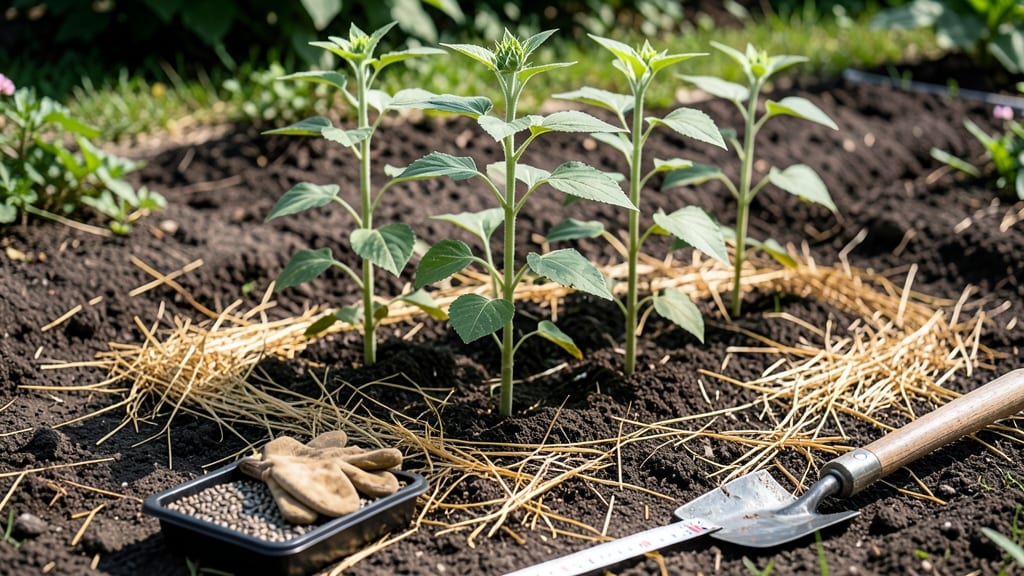
Plant sunflowers in Zone 7 between mid-April and mid-June after the last frost, when soil temperatures hit 50°F—this is the golden window for those towering 🌻 blooms you dream of.
Get it wrong, and you might end up with leggy, weak stems or sunflowers that bolt too fast, leaving you with nothing but disappointment. Even worse, planting too late can mean your sunflowers never mature before the first frost hits in November.
Zone 7’s climate gives you about 180 frost-free days, and sunflowers need at least 60–90 days to reach full height. That means timing isn’t just important—it’s the difference between a backyard showstopper and a sad, stunted plant.
In this guide, I’ll break down the exact weeks to plant, how to adjust for heatwaves or drought, and even how to squeeze in a second planting for late-summer blooms. No more guessing—just sunflowers that thrive.
Best weeks to plant sunflowers in Zone 7 for maximum growth
Sunflowers thrive in Zone 7 when planted at the right time—typically after the last frost date, which usually falls around mid-April. The key is balancing soil warmth (at least 55°F) with frost-free days (aim for 90+ days to maturity).
Plant too early, and frost will kill seedlings; too late, and your sunflowers may bolt before blooming.
For maximum growth, focus on two planting windows: late April to early May for early blooms, or mid-May to early June for a second flush of flowers. Each window offers trade-offs—early planting risks late frosts, while late planting may shorten bloom time but avoids summer heat stress.
Soil temperature is critical: sunflower seeds won’t sprout below 50°F, but ideal germination occurs at 60–70°F. Use a soil thermometer to check—if it’s below 55°F, wait a week or two. Warm soil speeds up germination and reduces damping-off disease risk.
If you’re growing tall varieties like 'Mammoth' or 'Russian Giant', prioritize the late April window for full height potential. These giants need 90+ days to reach their 10–14 ft mature size, so planting later may leave them stunted.
For dwarf varieties like 'Teddy Bear', the mid-May window works well—they mature faster (60–75 days) and handle summer heat better.
Heatwaves can stress sunflowers, especially in Zone 7’s summer. If temperatures exceed 90°F for weeks, opt for shorter varieties or provide afternoon shade with lightweight row covers. Mulch with straw or wood chips to retain moisture and cool roots—this is especially critical in June plantings when drought is common.
Adjust your schedule if you’re dealing with unpredictable frosts. Use row covers or black plastic mulch to warm soil early, allowing you to plant 2–3 weeks earlier than usual.
Conversely, if your area has late frosts (like northern Zone 7), wait until mid-May to avoid damage. Always check your local USDA frost calendar for precise dates.
For maximum blooms, consider succession planting: sow a second batch in early June for late-season flowers. Choose fast-maturing varieties (like 'Autumn Beauty') to ensure blooms before the first frost (early November in Zone 7). This extends your sunflower season and provides continuous pollinator support.
Finally, soil preparation matters. Sunflowers prefer well-draining soil with a pH of 6.0–7.5. Work in compost before planting to improve fertility, but avoid over-fertilizing with nitrogen—it promotes leafy growth over flowers. A light application of 5-10-10 fertilizer at planting is sufficient for most varieties.
With the right timing and care, your Zone 7 sunflowers will reward you with vibrant blooms and towering stems—perfect for cut flowers, bird feed, or just admiring their cheerful faces. 🌻
How to extend sunflower season in Zone 7: success tips for late blooms
Missed the ideal planting window? Don’t worry—Zone 7 gardeners can still coax late-season sunflowers to bloom with the right strategies. By choosing heat-tolerant varieties and using succession planting, you can enjoy vibrant blooms well into fall.
The key is timing: start with late-summer varieties or extend your spring plantings with proper soil prep.
One of my favorite tricks is succession planting every 2–3 weeks after the initial sowing. This staggered approach ensures a continuous display of blooms from summer through early fall. Pair this with dwarf or semi-dwarf varieties, which mature faster and handle heat better than towering giants.
For example, 'Autumn Beauty' or 'Teddy Bear' sunflowers thrive in late plantings and still produce stunning flowers.
- 📅 Plant heat-tolerant varieties like 'Moulin Rouge' or 'Evening Sun'—these bloom in 70–75 days, perfect for late starts.
- 🌡️ Wait for soil temps above 55°F before sowing; use a soil thermometer to avoid cold delays.
- 💧 Deep-water seedlings weekly to encourage root growth; mulch with straw to retain moisture.
- ☀️ Choose full-sun spots with at least 6+ hours of direct light—even partial shade slows blooming.
- ✂️ Deadhead spent blooms to redirect energy into new flowers and extend the season by 2–3 weeks.
Overcrowding is a common mistake that stunts growth. Space seeds 6 inches apart and thin seedlings to 12–24 inches as they grow. This prevents competition for nutrients and sunlight, which is critical for late plantings.
I’ve seen sunflowers planted in July still reach 6 feet tall when given proper spacing and consistent watering.
For a second chance at sunflowers, try container gardening with fast-maturing varieties. Pots warm up quicker than soil, giving seedlings a head start. Place containers in south-facing spots and use black plastic mulch to absorb heat and speed up germination.
This method works especially well for cut-flower varieties like 'ProCut' or 'Russian Giant,' which reward patience with dramatic blooms.
If your sunflowers start late but show promise, don’t fertilize heavily—too much nitrogen promotes leafy growth over blooms. Instead, focus on balanced fertilizer (like 5-10-10) at planting and avoid late-season feeding. I’ve found that compost-rich soil is often enough to support late bloomers without extra nutrients.
Pair this with regular pruning of lower leaves to improve airflow and reduce disease risk in humid Zone 7 summers.
With these strategies, you can enjoy sunflowers well past the usual September peak. Even a late-July planting can yield blooms by October if conditions are right. The secret? Patience, proper spacing, and heat-tolerant choices—your garden will thank you with a stunning late-season display! 🌻